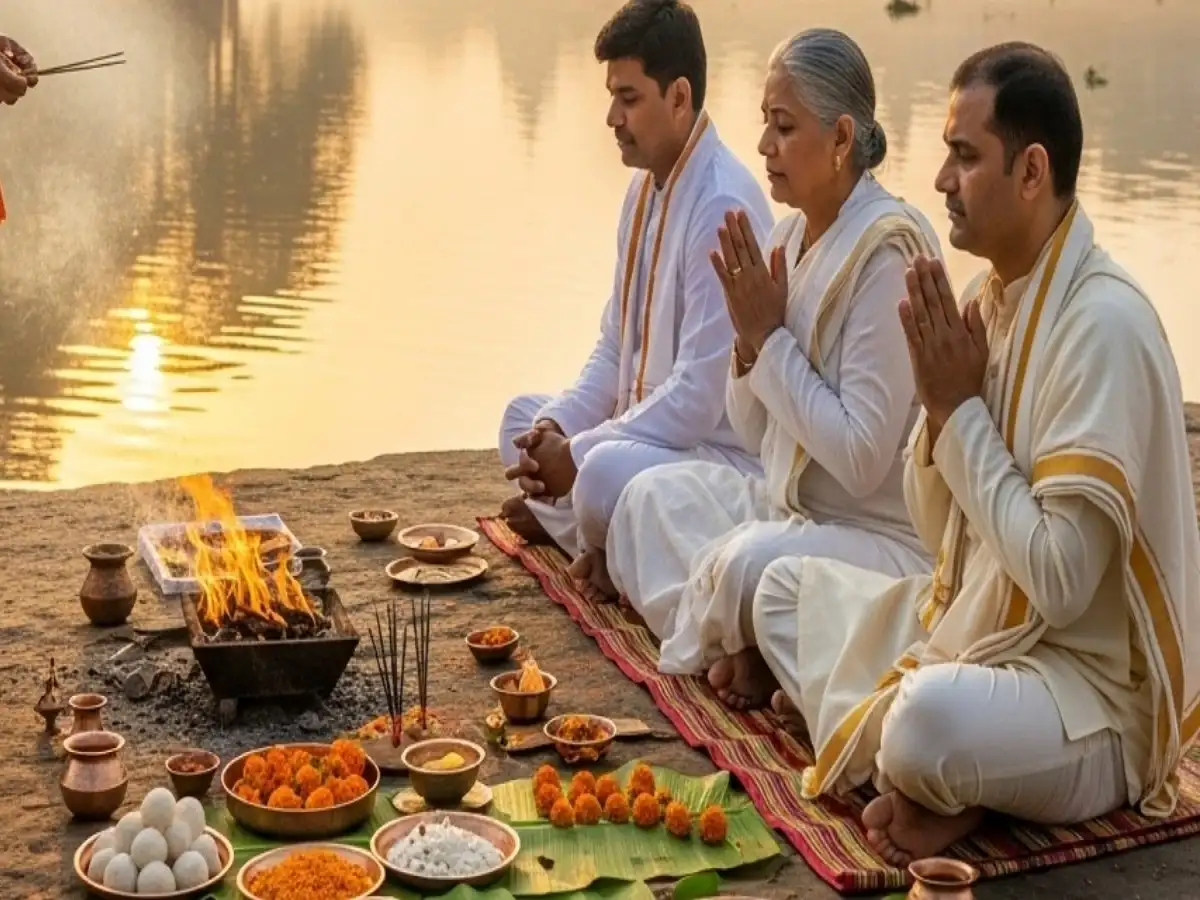
Pitru Paksha holds deep religious significance in Hindu tradition. This period is dedicated to remembering departed ancestors and expressing gratitude toward them through rituals such as Shraddha, Tarpan, prayers, charity and food offerings. Families observe these days according to their customs, regional practices and religious traditions.
According to Hindu beliefs, rituals performed in memory of ancestors during Pitru Paksha are considered particularly meaningful. The period is therefore generally associated with remembrance, simplicity and self-discipline rather than celebration.
Many families also follow certain traditional restrictions during these days. These practices can vary between communities and households, so they should be understood as religious customs rather than universal rules.
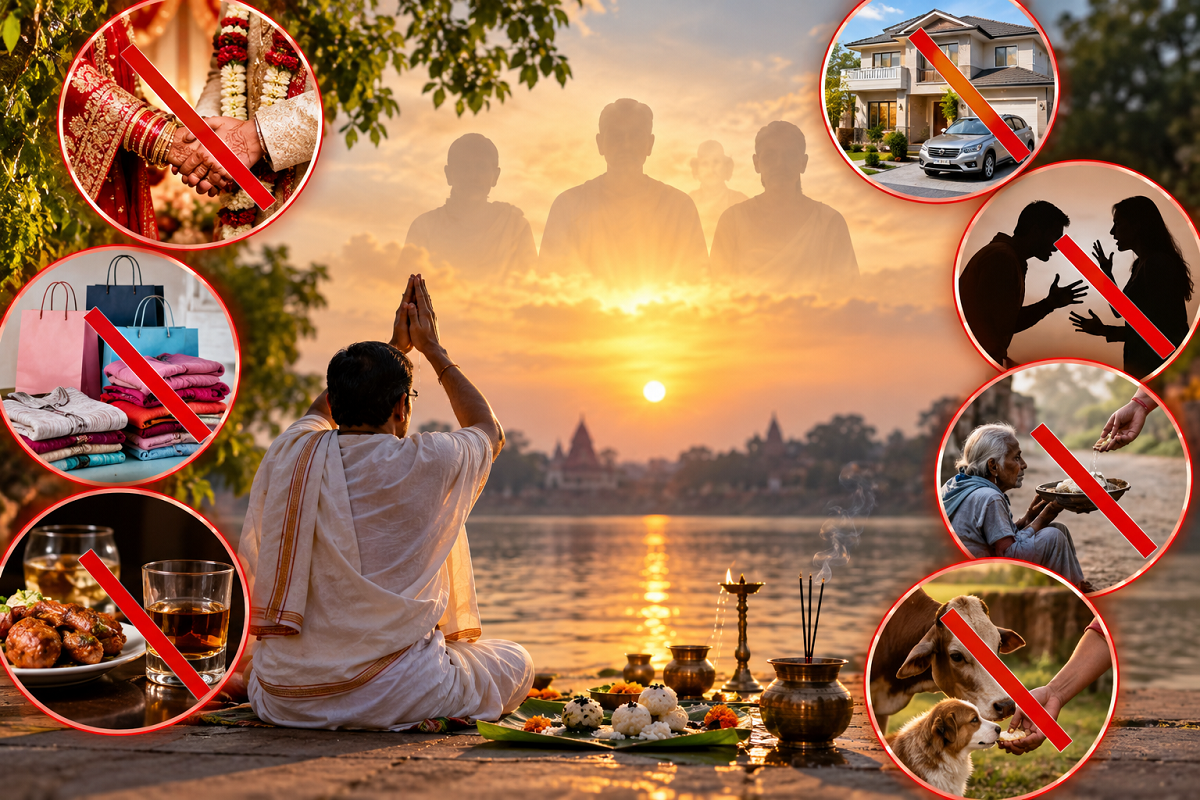
Here are some of the activities that are traditionally avoided during Pitru Paksha and Shraddha.
1. Auspicious Celebrations Are Often Postponed
Pitru Paksha is primarily regarded as a period for remembering and honouring ancestors. For this reason, many Hindu families avoid organising major auspicious celebrations during these days.
Events such as weddings, engagements and housewarming ceremonies are commonly postponed until after Pitru Paksha. Some families also prefer not to begin a major new venture or conduct other important celebratory rituals during this period.
The idea behind the tradition is to keep the focus on remembrance, prayer and duties performed for one's ancestors rather than on festivities.
However, customs are not identical everywhere, and practices may differ depending on family traditions and regional beliefs.
2. Some Families Avoid Major Purchases
Another commonly followed tradition involves postponing expensive or celebratory purchases.
Since Pitru Paksha is associated with simplicity and restraint, some people choose not to purchase a new vehicle, house, land or other expensive items during this period.
Instead, they may wait until Pitru Paksha concludes before completing purchases traditionally associated with a new beginning or celebration.
This is primarily a matter of religious custom. Individual families may follow different practices depending on their traditions and circumstances.
3. Buying New Clothes May Also Be Avoided
Simplicity is an important theme in many Pitru Paksha traditions. As a result, some families avoid buying or wearing new clothes during the period unless necessary.
At the same time, donating clothes to people in need is considered a meaningful charitable act in many traditions. Some families may also make donations as part of Shraddha-related observances.
The emphasis during these days is generally placed on remembrance, charity and modest living rather than personal celebration or luxury.
People following specific Shraddha traditions may consult elders or a knowledgeable religious guide about the customs practiced in their family.
4. Non-Vegetarian Food and Alcohol Are Traditionally Avoided
Food practices receive particular attention during Shraddha and Tarpan.
Many families follow a Satvik diet during Pitru Paksha, especially on the day when Shraddha is performed for an ancestor. Vegetarian food prepared with cleanliness and according to family customs is generally preferred.
Consumption of meat and alcohol is traditionally avoided by many people during this period. Some traditions also prescribe additional dietary restrictions for those directly performing Shraddha rituals.
Food prepared for religious offerings is generally handled with particular care, and the ingredients used may depend on regional and family customs.
The precise dietary rules can vary considerably, so households often follow traditions passed down within their families.
5. Maintain a Peaceful Atmosphere at Home
Pitru Paksha is traditionally viewed as a solemn period of remembrance. Maintaining calm and harmony within the household is therefore considered important.
People observing Shraddha are often advised to avoid unnecessary arguments, anger, harsh words and family disputes, particularly while performing religious rituals.
Shraddha and Tarpan are traditionally performed with concentration, respect and devotion. A peaceful environment is therefore considered appropriate for prayers and remembrance of departed family members.
The broader emphasis is on treating relatives and others with patience and respect while keeping the household atmosphere calm.
Why Simplicity Is Given Importance During Pitru Paksha
The customs associated with Pitru Paksha largely centre on remembrance, gratitude and respect for previous generations. Instead of festivities and material celebrations, devotees traditionally dedicate time to prayer, charitable acts and rituals performed in memory of their ancestors.
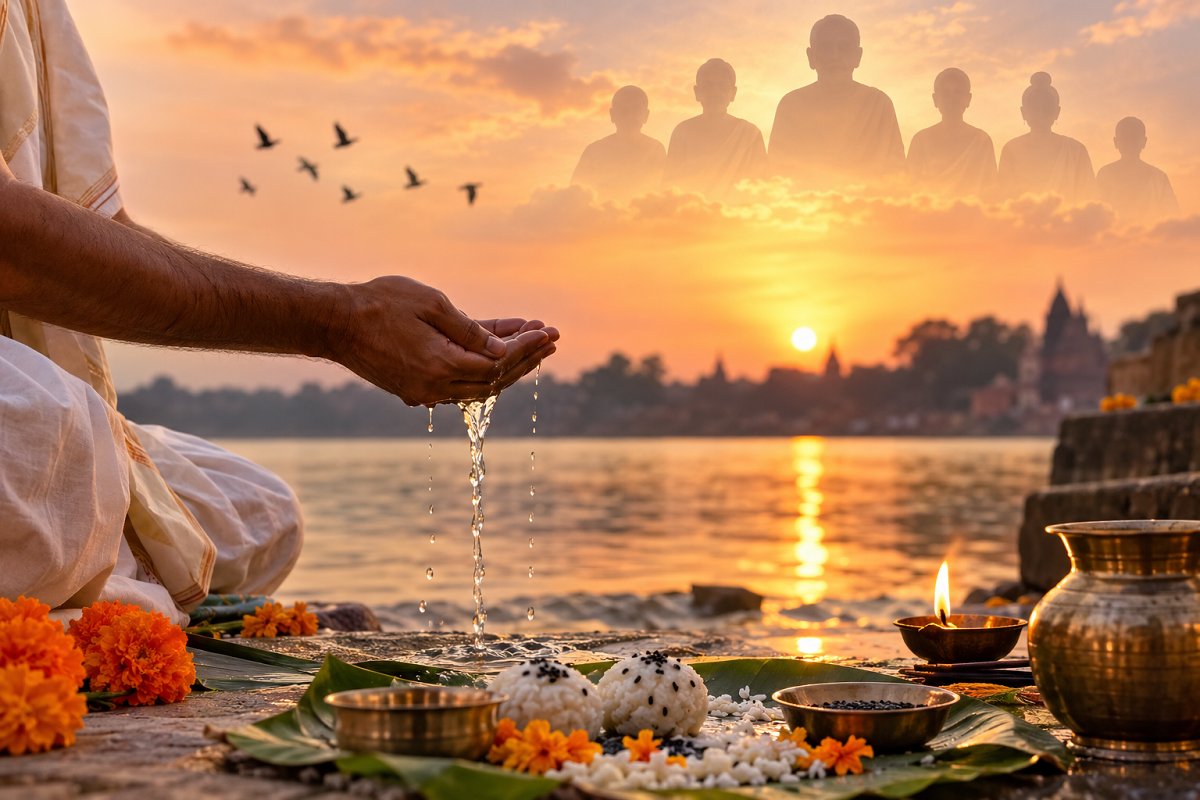
Tarpan generally involves offering water as part of ancestral rites, while Shraddha practices may include prayers, food offerings and charity according to the customs followed by a particular family or community.
Many people also offer food or other essentials to those in need as part of their observance.
Traditions Can Differ From One Family to Another
It is important to remember that Pitru Paksha practices are not necessarily identical across India. Customs regarding food, clothing, purchases, ceremonies and Shraddha rituals can differ according to region, community and family tradition.
Therefore, those who wish to perform specific rituals may follow the practices observed by their family or seek guidance from a knowledgeable priest.
Ultimately, Pitru Paksha is traditionally observed as a period for remembering ancestors with respect. For many devotees, maintaining simplicity, performing Shraddha or Tarpan with devotion, giving to those in need and keeping a peaceful atmosphere are central to the observance.