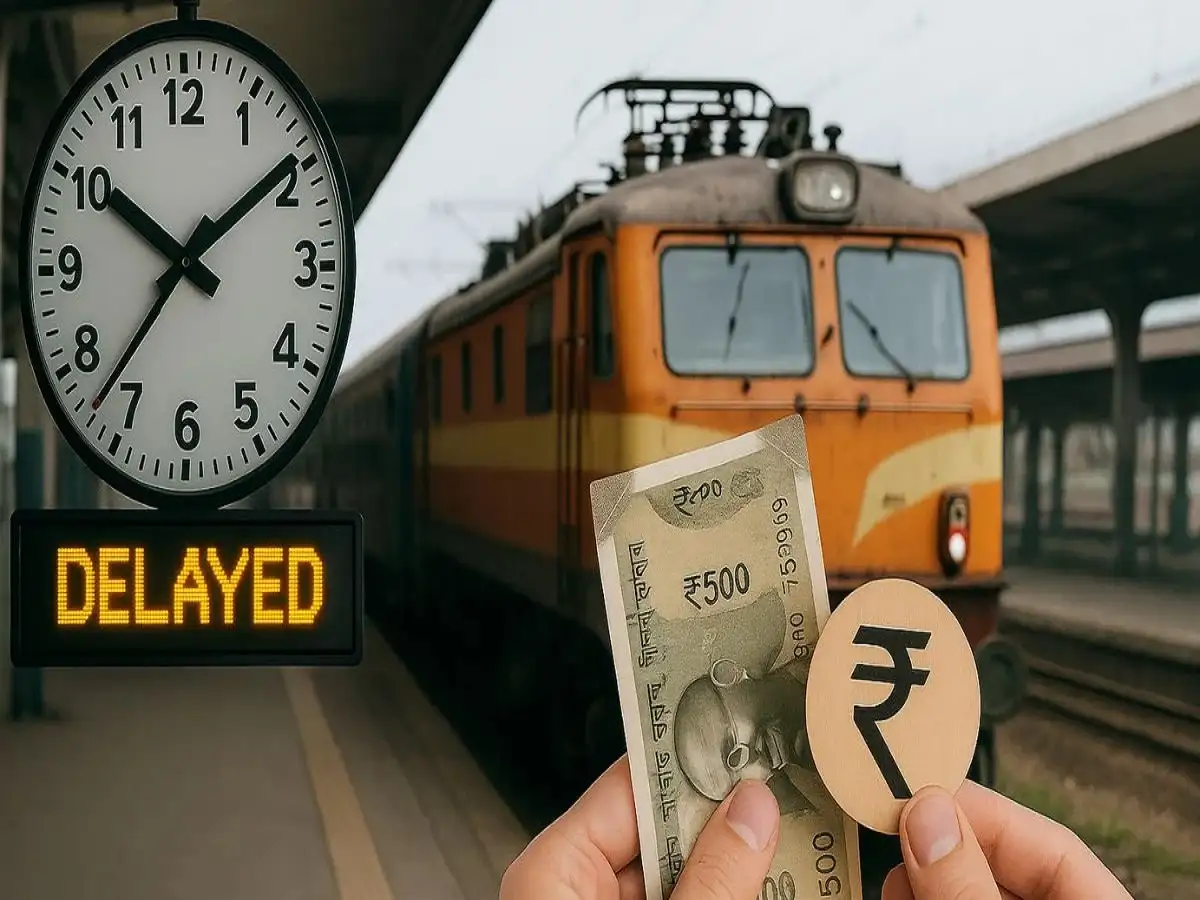
Train travel does not always go according to plan. A train may be delayed for several hours, passengers may decide not to travel, an air-conditioned coach may develop a problem, or the Railways may accommodate a passenger in a class lower than the one originally booked.
Refunds can become more complicated once the reservation chart has been prepared because normal online ticket cancellation may no longer be available in certain situations. This is where the Ticket Deposit Receipt (TDR) facility can become relevant.
A TDR allows passengers to submit a refund claim under specified railway conditions. However, filing a TDR does not automatically guarantee a refund. The claim is examined according to the applicable railway refund rules, the reason selected by the passenger and whether the claim was submitted within the prescribed time limit.
Here are some situations in which passengers may need to understand the TDR process.
Train Delayed by Three Hours or More
One important TDR-related situation arises when a train is running three hours or more behind its scheduled departure time and the passenger decides not to travel because of the delay.
Under the applicable conditions, a passenger may be eligible to claim a refund if the required procedure is completed within the prescribed deadline.
The timing of the claim is particularly important. For this type of refund, the TDR needs to be filed before the train's actual departure, subject to the applicable railway rules.
Passengers should also remember that these provisions apply when they do not undertake the journey. The rules can be different if the passenger travels despite the delay.
Can You Get a Refund If You Miss Your Train?
Simply missing a booked train does not necessarily make a passenger eligible for a refund.
If the reservation chart has already been prepared and a passenger fails to board the train, filing a TDR with the sole reason that the train was missed does not automatically create a valid refund entitlement.
This distinction is important because passengers sometimes assume that a TDR is an alternative to normal cancellation in every situation. It is not.
The refund depends on the specific circumstances covered under railway rules and the time at which the claim is submitted.
What If the AC Does Not Work?
Passengers who have paid for an air-conditioned class but face a situation where the air conditioning does not function during the journey may have a refund-related remedy under railway rules.
Depending on the circumstances, a TDR claim can be submitted for the applicable difference or refund provided under the rules.
Such claims are subject to verification. Therefore, the amount refunded is determined after considering railway records and the applicable conditions rather than simply on the basis of filing the request.
Passengers should select the correct reason while submitting their TDR claim.
Travel in a Lower Class Than the One Booked
Another situation can arise when a passenger pays for a higher travel class but is accommodated by the Railways in a lower class.
For example, if a passenger has paid the fare applicable to a higher category but is ultimately required to travel in a lower category, the passenger may be eligible to claim the applicable difference in fare.
A TDR may be used in such cases, subject to the railway's prescribed conditions and verification process.
The final refund would generally depend on the difference between the fare paid for the booked class and the class in which the passenger actually travelled, as governed by the applicable rules.
Mixed Confirmed and Waitlisted Passengers on One PNR
Family and group bookings can create another complicated situation. Sometimes, several passengers are booked under the same PNR, but only some receive confirmed accommodation while others remain waitlisted.
If passengers decide not to travel because of such a situation, a TDR facility may be applicable under certain circumstances.
However, passengers should pay particular attention to the prescribed filing deadline and the exact status of every passenger on the PNR.
The existence of both confirmed and waitlisted passengers on a booking does not mean every claim will automatically be approved. Refund eligibility is determined under the applicable railway rules after examining the circumstances.
How to File a TDR Through IRCTC
Passengers with eligible online bookings can generally initiate the TDR process through the IRCTC website or its official app.
The basic process is:
- Sign in to your IRCTC account.
- Open the My Transactions section.
- Locate the relevant booked ticket.
- Select the available File TDR option.
- Choose the reason that accurately describes your situation.
- Enter any additional information requested.
- Review the details carefully and submit the claim.
- Keep the TDR reference or transaction details for tracking purposes.
Selecting the correct reason is important because the refund request is processed according to the circumstances declared by the passenger and the information available with the Railways.
Filing a TDR Does Not Mean Instant Refund
Passengers should understand the difference between filing a TDR and receiving a refund.
A submitted TDR is essentially a claim for consideration. The Railways examines the case, and the refund is processed only when the claim meets the relevant conditions. The amount can also depend on the reason for filing the TDR.
Deadlines are equally important. Different circumstances may have different time limits, and filing a valid claim too late can affect refund eligibility.
Check the Rules Before Submitting Your Claim
TDR can be useful when ordinary ticket cancellation is no longer available and a passenger's circumstances fall within the permitted railway refund rules.
Situations involving a train delayed by three hours or more, failure of air conditioning, being accommodated in a lower class, or certain mixed confirmed/waitlisted PNR cases may have specific refund provisions.
However, missing a train by itself should not be treated as a guaranteed ground for receiving a TDR refund.
Passengers should therefore check the latest refund rules and applicable filing deadline on the official IRCTC/Indian Railways platform before submitting a claim. The reason selected while filing the TDR should accurately match what happened during the journey or booking.