LIFESTYLE
Betel Leaves Health Benefits: 5 Traditional Uses for Cough, Digestion, Joint Pain and Oral Health
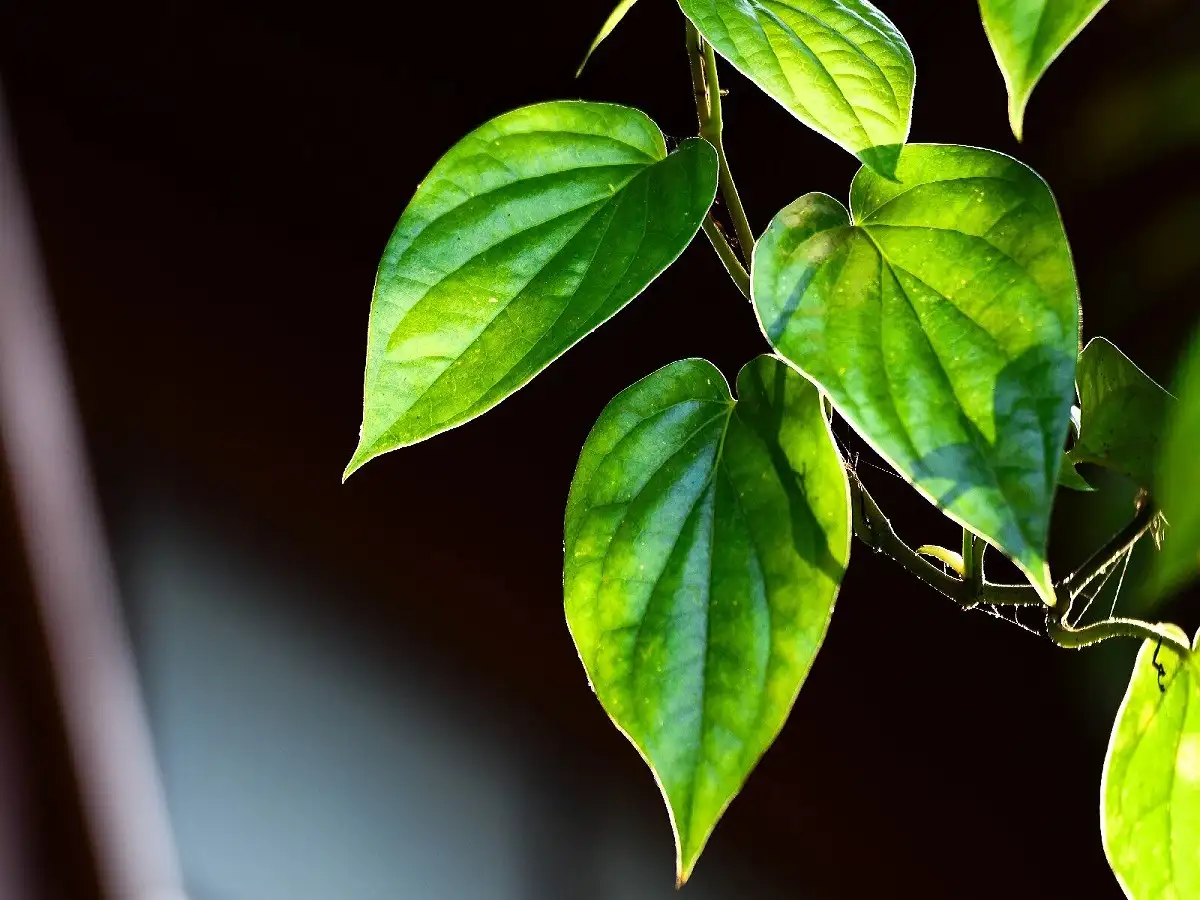
Betel Leaves Benefits: As temperatures fluctuate between warm afternoons and cooler mornings, many people experience seasonal discomforts such as throat irritation, coughing, digestive problems and joint stiffness. During these changing weather conditions, traditional Indian households often turn to familiar herbs and natural ingredients for comfort.
One such ingredient is the betel leaf, commonly known as paan ka patta in India. Used for centuries in religious ceremonies, cultural celebrations and traditional wellness practices, betel leaves have an important place in Indian households.
Beyond their cultural significance, these green, heart-shaped leaves contain naturally occurring plant compounds that have attracted scientific interest. Researchers have examined certain substances found in betel leaves for their potential antimicrobial, antioxidant and anti-inflammatory properties.
However, it is important to distinguish traditional beliefs from scientifically established health benefits. Although betel leaves are used in several home remedies, strong clinical evidence supporting their effectiveness against specific illnesses remains limited.
Here are five traditional uses of betel leaves, along with important precautions and what current scientific knowledge suggests.
1. Betel Leaves for Cough and Throat Irritation
A scratchy throat, mild cough and throat discomfort are common complaints during seasonal transitions. Changes in temperature, respiratory infections, allergies and environmental irritants can contribute to these symptoms.
In traditional Indian home remedies, betel leaves are sometimes combined with black pepper, tulsi leaves and rock sugar to prepare a mixture intended to provide throat comfort.
One commonly described traditional preparation includes:
- One fresh betel leaf
- Three or four black peppercorns
- One or two tulsi leaves
- A small piece of rock sugar
These ingredients have historically been used together in household wellness practices.
Nevertheless, there is insufficient reliable clinical evidence to confirm that this combination treats coughs, sore throats or respiratory infections.
People experiencing persistent coughing, high fever, breathing difficulties or worsening throat symptoms should seek medical advice instead of relying exclusively on herbal remedies.
2. Traditional Use of Betel Leaves for Digestive Discomfort
Betel leaves have long been associated with digestive wellness in traditional practices.
Some households use them when experiencing bloating, abdominal heaviness, gas or mild digestive discomfort.
A traditional preparation involves boiling two or three pieces of betel leaf with a small quantity of ajwain, also known as carom seeds, in water until the liquid reduces.
The resulting herbal preparation has historically been consumed as a digestive home remedy.
However, scientific studies have not established this preparation as an effective treatment for indigestion, constipation or irregular bowel movements.
Digestive discomfort can result from various factors, including dietary habits, food intolerances, infections and underlying gastrointestinal conditions.
Maintaining adequate hydration, eating fiber-rich foods and following regular meal patterns may help support digestive health.
Parents should avoid giving herbal preparations to young children without consulting a qualified healthcare professional.
Persistent abdominal pain, repeated vomiting, blood in the stool or severe digestive symptoms require medical attention.
3. Can Betel Leaves Help With Joint Pain and Stiffness?
Some individuals notice increased joint discomfort during colder weather, particularly those already living with arthritis or other musculoskeletal conditions.
In traditional household practices, betel leaves are occasionally warmed and placed over uncomfortable areas.
Some variations also involve applying mustard oil or turmeric alongside the leaves.
These methods are traditionally believed to provide comfort, but there is limited clinical evidence demonstrating that betel leaves themselves reduce joint inflammation or treat arthritis.
Any temporary relief may be associated with warmth rather than a specific medicinal action of the leaf.
Importantly, excessively heated leaves or oils can cause skin irritation and burns.
People experiencing persistent joint pain, swelling, redness or restricted movement should consult a healthcare professional to identify the underlying cause and receive appropriate treatment.
4. Betel Leaves for Chest Congestion: What Should Parents Know?
Chest congestion and coughing are common concerns among families, particularly when children develop seasonal respiratory infections.
In some traditional practices, warmed betel leaves coated with mustard oil are placed over the chest as a home remedy.
This practice has been passed down through generations in certain households.
However, there is no convincing scientific evidence that applying betel leaves to the chest removes mucus, opens blocked airways or treats respiratory infections.
Parents should be especially cautious when considering such remedies for infants and young children.
Applying heated leaves or oils may irritate sensitive skin or cause burns. Herbal applications should never delay appropriate medical treatment.
Children experiencing rapid breathing, wheezing, chest retractions, unusual drowsiness or difficulty breathing require urgent medical evaluation.
For respiratory symptoms, treatment should be based on the underlying cause and professional medical guidance.
5. Betel Leaves for Bad Breath and Oral Hygiene
Betel leaves have traditionally been used as natural mouth fresheners in many parts of India.
Their distinctive aroma and flavor have made them a familiar ingredient in traditional paan preparations.
Researchers have identified several biologically active substances in betel leaf extracts, including polyphenols and certain terpenes.
Some laboratory investigations suggest that particular compounds may demonstrate antimicrobial activity under controlled experimental conditions.
However, laboratory findings do not establish that chewing betel leaves prevents cavities, gum infections or persistent bad breath in humans.
Good oral hygiene remains essential for maintaining healthy teeth and gums.
Brushing twice daily with fluoride toothpaste, cleaning between teeth and attending regular dental checkups are more reliable approaches to oral health.
Persistent bad breath may also indicate dental problems, gum disease or other health conditions that require professional assessment.
Are Betel Leaves Safe to Consume?
Betel leaves should not automatically be considered harmless simply because they are natural.
An important distinction exists between the plain betel leaf and commercially prepared paan containing additional ingredients.
Paan mixtures may contain areca nut, tobacco, slaked lime and sweetened flavorings.
Areca nut and tobacco-containing products are associated with serious oral health risks, including an increased risk of oral cancer.
Even tobacco-free preparations containing areca nut are not considered safe.
Individuals with allergies, existing medical conditions or concerns about interactions with medication should consult a healthcare professional before regularly using herbal preparations.
Pregnant women, breastfeeding mothers and parents of young children should be particularly careful with medicinal uses of betel leaves because reliable safety information may be limited.
What Does Science Say About the Medicinal Properties of Betel Leaves?
The betel plant, scientifically known as Piper betle, contains various naturally occurring chemical compounds.
Researchers have investigated extracts from its leaves for potential antioxidant, antimicrobial and anti-inflammatory activity.
Although some laboratory findings are promising, they cannot be directly translated into proven benefits for people.
Further well-designed human clinical trials are needed to determine whether betel leaf preparations provide meaningful medical benefits, what doses might be effective and whether prolonged use is safe.
Traditional remedies may have cultural importance, but they should not be presented as substitutes for evidence-based medical care.
Final Thoughts
Betel leaves remain an important part of Indian culture and traditional household wellness practices. Their historical use for throat discomfort, digestive problems, joint stiffness, chest congestion and oral freshness continues to attract public interest.
However, most of these medicinal applications have not been conclusively established through high-quality human research.
People may explore traditional practices cautiously, but persistent symptoms should always be assessed by a qualified healthcare professional.
Maintaining a balanced diet, practicing good hygiene, staying physically active and seeking timely medical advice are more dependable ways to protect health during changing weather conditions.
Medical Disclaimer: This article is intended for general information and educational purposes only. Traditional remedies mentioned here are not proven treatments for the conditions discussed and should not replace professional medical diagnosis, advice or treatment.