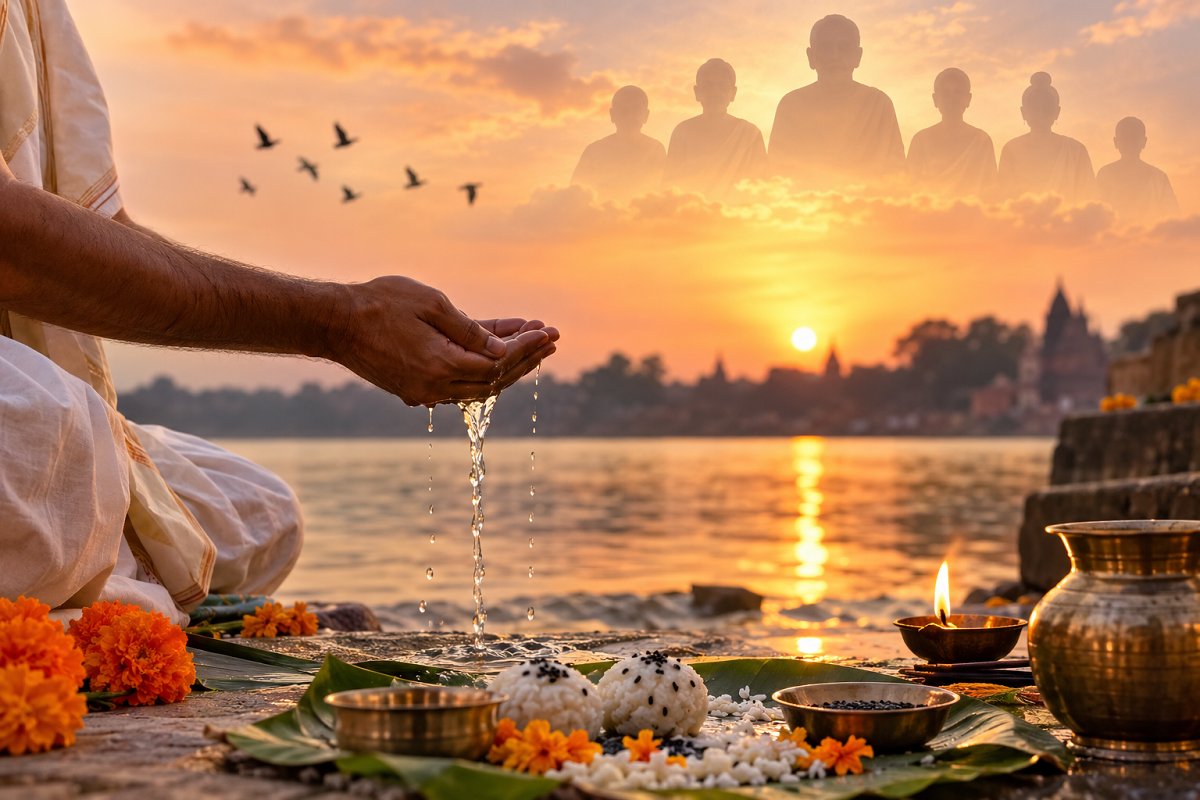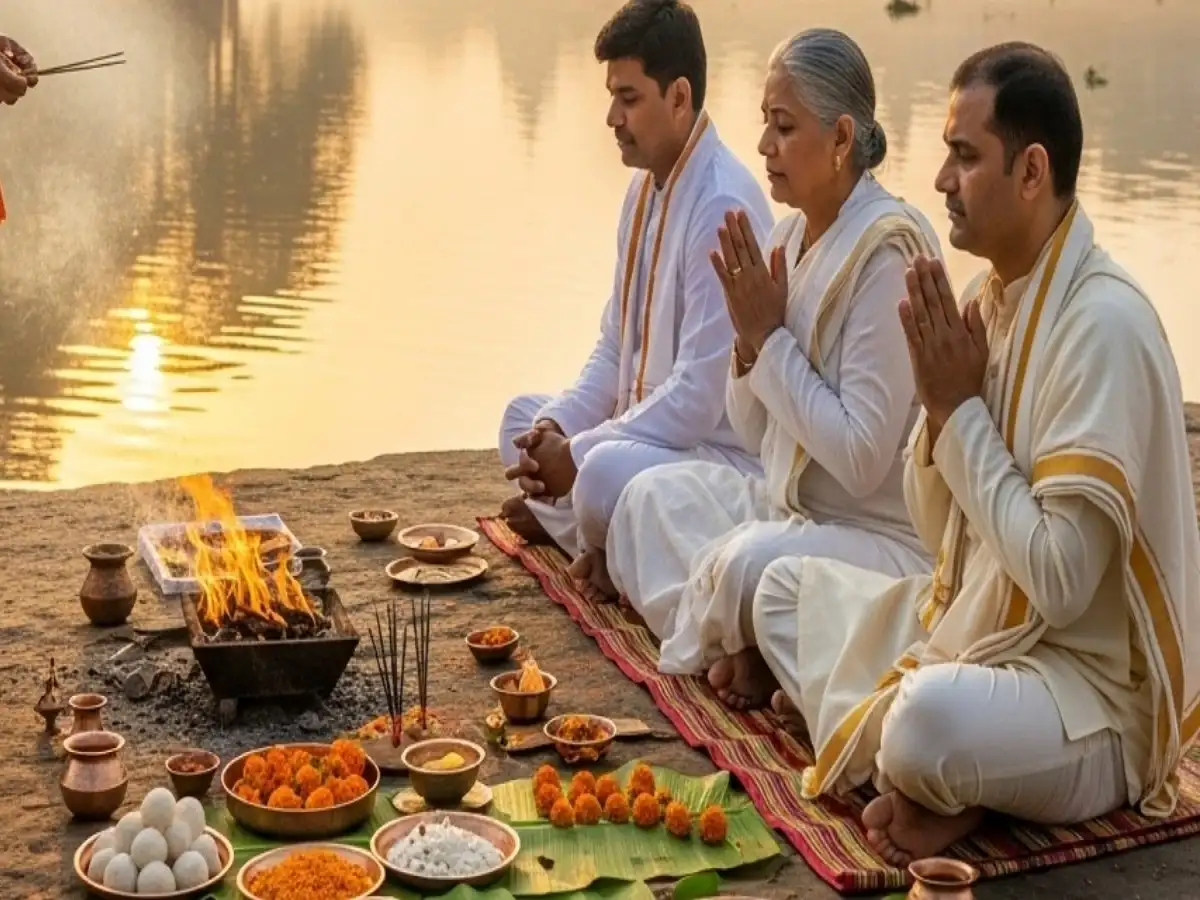
Pitru Paksha is considered an important period of remembrance in Hindu tradition. Families use this time to honour departed ancestors, remember their contribution to the family and perform religious rituals associated with ancestral remembrance. Shradh, Tarpan and Pind Daan are among the ceremonies commonly performed during this period.
Along with these rituals, several customs are traditionally followed during Pitru Paksha. The period is generally associated with simplicity, charity, self-discipline and respectful conduct. For this reason, many Hindu families avoid celebrations, major auspicious ceremonies and certain lifestyle activities until Pitru Paksha concludes.
These practices can differ depending on family customs, communities and regions. Here are seven things that are traditionally avoided during Pitru Paksha and the beliefs associated with them.
1. Weddings and Auspicious Celebrations Are Usually Postponed
Pitru Paksha is primarily dedicated to remembering ancestors rather than celebrating new beginnings. As a result, many families traditionally avoid organising weddings, engagements, housewarming ceremonies and similar auspicious functions during this period.
Starting a new business or holding a major celebratory religious ceremony may also be postponed until after Pitru Paksha.
Some households additionally avoid making major purchases, including property and vehicles, during these days. However, such practices are based on religious and family traditions and can vary considerably between communities.
2. Some Families Avoid Buying New Clothes
Simplicity is traditionally emphasised during Pitru Paksha. The focus remains on remembering ancestors and performing Shradh-related rituals instead of celebrations or material purchases.
Because of this, some families choose not to purchase or wear new clothes during the Shradh period. The custom is intended to maintain a simple and restrained lifestyle while ancestral rituals are being observed.
This is not followed uniformly, however, and individual family traditions may differ.
3. Non-Vegetarian Food and Alcohol Are Commonly Avoided
A Satvik lifestyle is commonly associated with Pitru Paksha observances. People performing Shradh ceremonies may therefore follow a simple vegetarian diet and stay away from alcohol.
Meat, fish and other foods classified as Tamasic under certain religious traditions are also generally avoided by many families during this period.
The idea behind this practice is to maintain discipline and purity while performing rituals dedicated to ancestors.
4. Arguments and Family Conflicts Should Be Avoided
Pitru Paksha traditions are not limited to ceremonies and food restrictions. Personal behaviour is also given considerable importance.
Families are traditionally encouraged to maintain a peaceful atmosphere at home and avoid unnecessary anger, arguments and conflicts.
Self-control in speech and behaviour is considered particularly important. Instead of becoming involved in disputes, devotees may use the period for reflection, prayer, remembrance and spending time with family.
5. Avoid Disrespecting Poor, Elderly or Vulnerable People
Charity and helping people in need are important parts of many Pitru Paksha traditions. Offering food, clothes or other essential items to those in need is commonly associated with Shradh observances.
For this reason, people observing Pitru Paksha are encouraged to treat the poor, elderly and vulnerable with compassion and respect.
Mistreating someone or refusing help when it can reasonably be provided goes against the broader values of kindness and service associated with this period.
6. Animals and Birds Should Not Be Harmed
Compassion towards animals and birds is another custom associated with Pitru Paksha in many households.
People are traditionally advised not to harm or unnecessarily trouble animals during the Shradh period. Some families also offer food and water to animals and birds as part of their customary observances.
Feeding birds and animals is regarded by some traditions as an act of service during the period dedicated to ancestral remembrance.
7. Avoid Lies, Abusive Language and Hurtful Behaviour
Pitru Paksha traditions also place emphasis on maintaining control over one's words and actions.
People observing the period are encouraged to avoid lying, insulting others, using abusive language or deliberately hurting someone's feelings. Calm and respectful communication is preferred, particularly within the family.
The broader purpose is to combine religious rituals with disciplined and compassionate behaviour.
Pitru Paksha Is Also a Period of Reflection
While Shradh, Tarpan and Pind Daan remain important religious observances during Pitru Paksha, the period is also associated with gratitude, simplicity, charity and remembrance.
Customs regarding food, purchases, celebrations and daily activities can vary between families and regions. Therefore, people generally follow the traditions practised within their own households or seek guidance from a knowledgeable priest when they are uncertain about a particular ritual.
Rather than viewing every traditional restriction as a prediction of harm or misfortune, these customs can be understood within their religious context: Pitru Paksha is traditionally treated as a solemn period dedicated to ancestors, reflection, respectful conduct and acts of charity.