LIFESTYLE
Medicine Storage: Where should you keep your medicines at home? Note these 5 important storage rules.
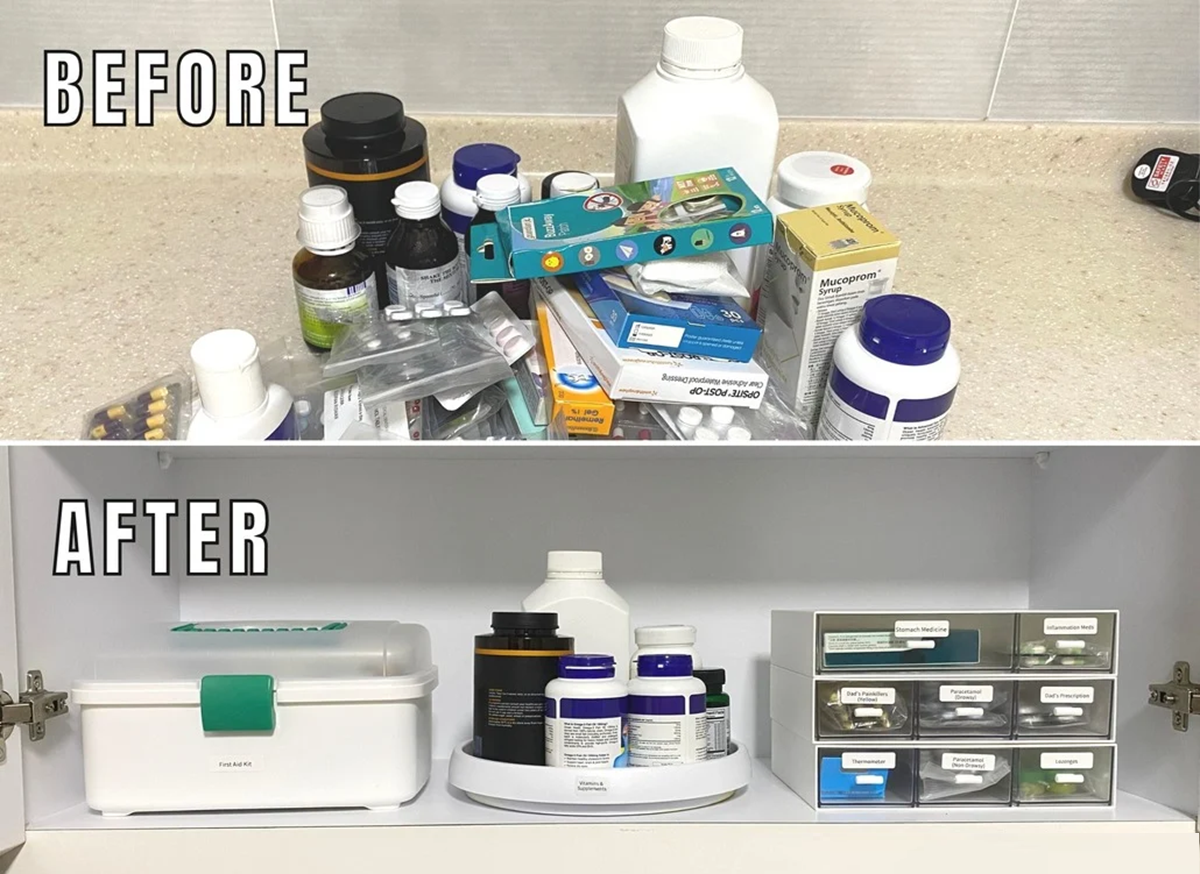
Medicine Disposal: Choose a cool, dry, and out-of-direct-sunlight location for storing medications. It's best to store them in a closed cabinet or cupboard, and keep them out of the reach of children.
The right way to store medicines at home
How To Store Medicines Properly At Home: Keeping medicines at home is a necessity for every family, but simply purchasing and storing them isn't enough. Their storage location and temperature can directly impact their quality, effectiveness, and shelf life. From cough syrups to daily-use medications, different medicines have different storage requirements. Some can be stored at room temperature, while others require cold storage.
Especially during winter, temperature fluctuations require extra care when storing medications. Extreme heat, cold, humidity, or direct sunlight can affect the quality of the medication. Therefore, the storage instructions on the medicine package should not be ignored.
Where should medicines be kept at home?
Choose a place to store medicines that is cool, dry, and out of direct sunlight. It's best to store medicines in a locked cabinet or cupboard, and this place should be out of reach of children. People often store medicines in kitchen or bathroom cupboards, but these locations aren't always ideal. Cooking in the kitchen can increase heat and steam, while bathrooms tend to be more humid. Both conditions can affect the quality of some medicines. A separate box or organizer for medicines at home may be a better option. This can be kept in a dry closet in the bedroom. If there are children in the home, a lockable medicine cabinet is a safer option.
Medicines that should be kept at room temperature
Most tablets and capsules can be stored at normal room temperature. But this doesn't mean they can be stored anywhere. They must be protected from moisture, bright light, and excessive heat. Medication packaging often provides storage information, such as storing below a specific temperature. Therefore, instead of assuming the same rules for every medication, consult the instructions on the packaging. Store medications that are susceptible to moisture in a dry place. Some powders or dissolving tablets may lose their quality when exposed to moisture. If a control packet is provided in the package to protect the medication from moisture, do not remove it.
What medicines need to be kept in the fridge?
Some medications need to be stored at cool temperatures. These may include some injections, some eye drops, and some biologic medications. However, not every medication needs to be refrigerated. If a medication is prescribed for refrigeration, keep it in the main compartment of the refrigerator. Avoid placing it in the freezer, as freezing temperatures can damage some medications. Medications should also be avoided in the refrigerator door, as the temperature there can fluctuate frequently. It is best to store them in a clean, separate place from food and drinks. Clearly labeling the medication also reduces the risk of accidentally mixing it with other medications.
Be careful about medicines in winter.
In winter, not only heat but also extreme cold can damage medications. Especially in cold areas, avoid storing medications near windows, balconies, or in areas where temperatures can drop too low. If liquid medications, such as syrups or other liquid medicines, change color or texture, consult a pharmacist before using them. It's important to protect medications from freezing.
If a medication needs to be kept at a cool temperature but a refrigerator is not available during travel, ask your doctor or pharmacist about safe storage. Alternatives like an insulated cold box may be available in some situations.
An easy way to keep your medicines organized
Create a separate medicine box at home. Store daily-use medicines, first-aid supplies, and other medications in an organized manner. It's important to keep expired medicines separate from those currently in use. The medicine box should be easy to clean, moisture-proof, and have enough space to store medicine packets. In homes with children, keep it out of their reach.
Recognize the signs of medication spoilage.
If the color, smell, or texture of a medicine has changed, do not use it without consulting your doctor. Breaking or sticking tablets, cloudy syrup, visible particles, or swelling of the packaging may be signs to look out for. If you have any doubts about a medicine, consult a pharmacist before using it. Always check the expiration date.
Do not throw away expired medicines.
Throwing old or expired medications into the open or flushing them down drains or toilets is not a good practice. This can harm the environment and pets. If local drug take-back facilities are available, use them. Otherwise, consult your pharmacist or local guidelines for safe disposal. It is also important to remove any personal information from the medication packaging.