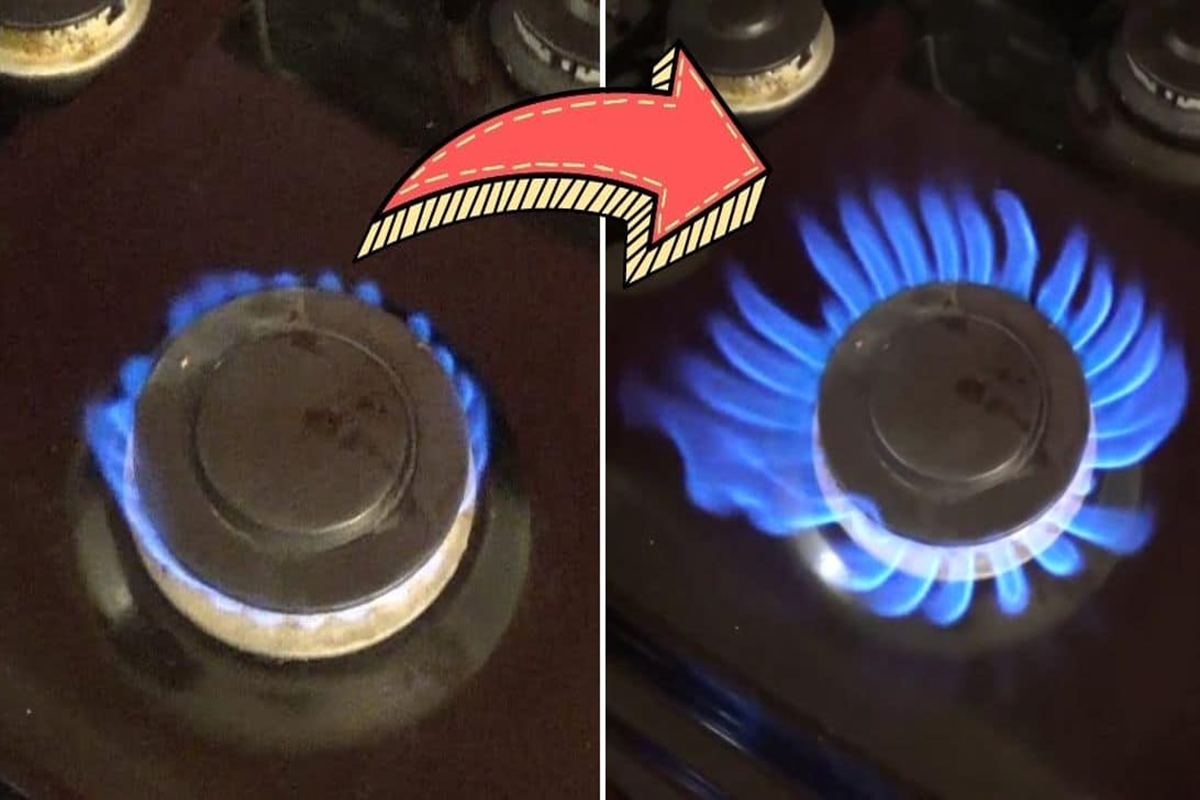
Gas Stove Safety: Often, a low flame isn't due to a major defect, but rather to accumulated oil, small food particles, and dirt in the burner holes. Without regular cleaning, these holes can gradually become clogged.
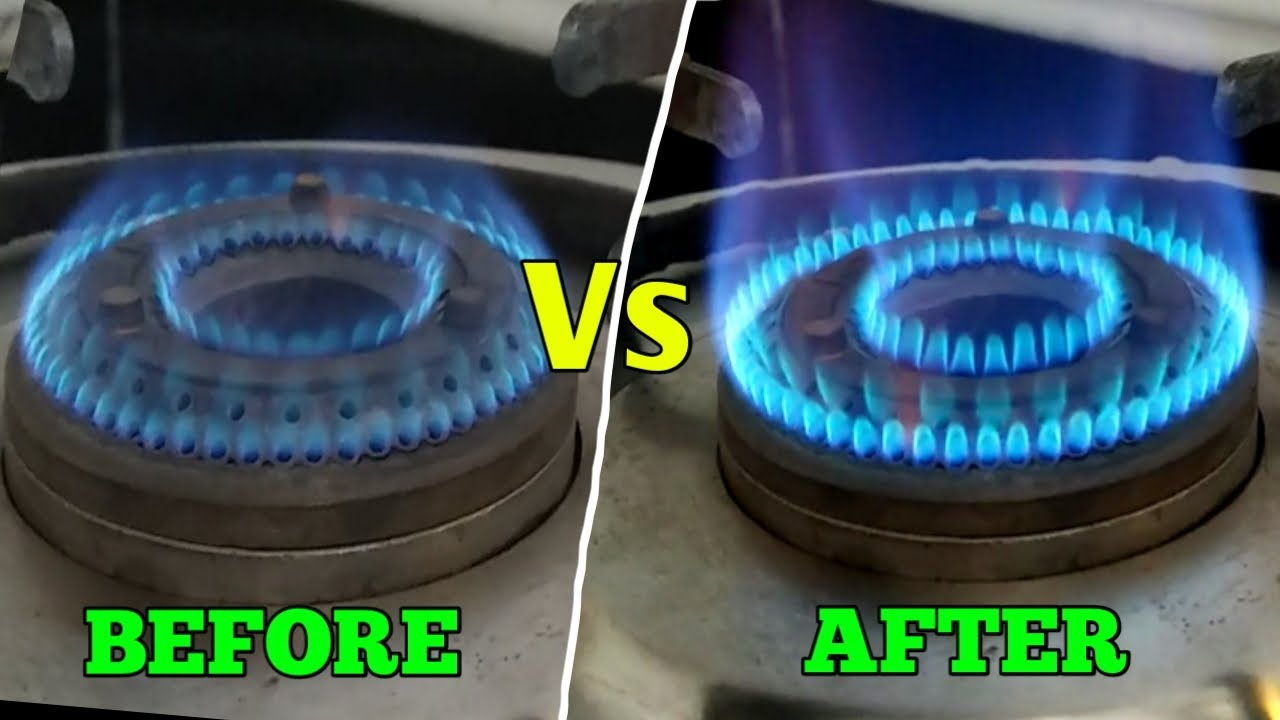
How to increase the flame of a gas stove
How to Fix Low Flame on Gas Stove: If the flame on a gas stove becomes low, cooking time becomes longer. Sometimes the burner flame appears brighter on one side and slower on the other, and sometimes the color of the gas after burning appears different from normal. It's best not to ignore such problems, as problems with the gas flame not only affect cooking speed but also compromise the proper functioning of the gas stove.
Often, a low flame isn't caused by a major defect, but rather by oil, small food particles, and dirt accumulated in the burner holes. Without regular cleaning, these holes gradually become clogged, affecting gas flow. Properly cleaning the burner can significantly alleviate this problem.
What should a normal gas flame be like?
A properly functioning gas stove typically has a steady, blue flame. The flame height remains consistent, and there's not much noise when the gas burns. A blue flame indicates that the gas is burning properly. If the flame appears yellow or orange, it may indicate an improper gas-to-air ratio. Simply wiping down the burner isn't sufficient. It's also important to check the burner's cleanliness and fittings.
What is the most common cause of low flame?
The most common cause of a low flame on a gas burner is clogged small openings. Oil, milk, lentils, or other items can spill onto the burner while cooking. Over time, this debris builds up in the burner ports, narrowing the gas outlet. Furthermore, low gas pressure, a nearly empty gas cylinder, or a blockage in the gas jet can also cause a low flame. Therefore, before cleaning, it's important to determine whether the problem is specific to the burner or related to the gas supply.
How to clean the burner?
First, turn off the gas supply and allow the burner to cool completely. Then, carefully remove the burner cap and grate. The burner head can be soaked in lukewarm water with mild dish soap for 15 to 20 minutes. If there is a heavy buildup of oil, adding a small amount of baking soda to the water can help loosen the dirt. Next, thoroughly clean the burner with an old, soft-bristled toothbrush. Pay particular attention to the small holes where the gas escapes. If any dirt is stuck in any holes, clean it carefully. Be careful not to damage the burner holes when using any sharp objects. After cleaning, rinse the burner thoroughly with water and allow it to dry completely. Any moisture left on the burner can cause problems with gas ignition.
It is also important to install the burner cap in the correct place.
Sometimes, even after cleaning the burner, the flame may not be even. This could be due to the burner cap not being properly positioned. If the cap is even slightly tilted or incorrectly positioned, gas flow will be disrupted. Therefore, after cleaning, place the burner cap back in its proper position and ensure it is straight and centered. If there is a strong flame on one side and a very weak flame on the other, first check its position.
What to do if the flame is yellow or orange?
If the flame remains yellow or orange even after cleaning, there may be a problem with the gas and air mixture. If the color doesn't return to normal even after cleaning and adjusting the burner cap, the gas stove's air intake or other components may need to be inspected. It's best to seek expert help rather than attempting to dismantle and adjust these components yourself, especially if you're unfamiliar with gas connections or the stove's internal components.