LIFESTYLE
If you experience foam while using the toilet, don't ignore it; it could be a sign of kidney damage.

Kidney problems have become quite common these days. Some people wonder if foamy urine is a sign of kidney damage. Let's find out more about this.
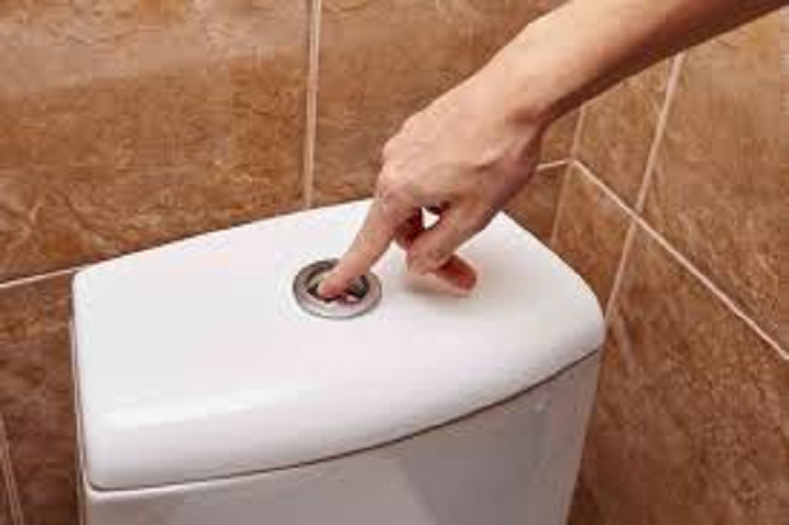
Is foam in urine a sign of kidney failure?
Kidney disease has become quite common these days. People suffering from kidney failure and kidney damage are at a higher risk of developing toxins in their bodies. However, several symptoms can also occur before kidney damage occurs.
In such a situation, many people wonder whether foamy urine indicates kidney damage, and if it continues to occur, could kidney failure occur? Doctors say that foamy urine doesn't always indicate kidney failure. Sometimes, it can be caused by a strong urine stream or dehydration. However, if it happens repeatedly, it could be a serious matter. So, let's understand when foamy urine could indicate kidney damage.
When does foam in urine become a danger?
According to doctors, there are many symptoms of kidney damage. Foamy urine isn't always a sign of kidney failure. However, if it recurs daily, it's a warning sign. Persistent foamy urine indicates a high protein content. This occurs when the glomerulus, the functional unit of your kidneys, isn't functioning properly. Furthermore, swelling in your feet, pain in your ankles, or swelling in your eyes could be signs of kidney damage. Frequent fatigue, weight loss, and a small amount of urine are also symptoms of kidney problems. In this case, it's important to see your doctor as soon as possible, as this could worsen the problem.
How to prevent kidney damage?
The most important thing to avoid kidney damage is to stay hydrated. This reduces the amount of work your kidneys have to do to remove toxins from the body. It also eliminates the problem of foamy urine. Furthermore, limiting salt intake is crucial as it reduces the strain on the kidneys. It's also crucial to cut out excess protein from your diet, as it impairs kidney function and contributes to foamy urine.
During this time, it's crucial to consult a doctor promptly so that urine and kidney tests can detect and treat the condition as early as possible.