NEWS
Dengue is spreading in Tamil Nadu, affecting 25,000 people in 2025, with the outbreak expected to be more severe in urban areas.
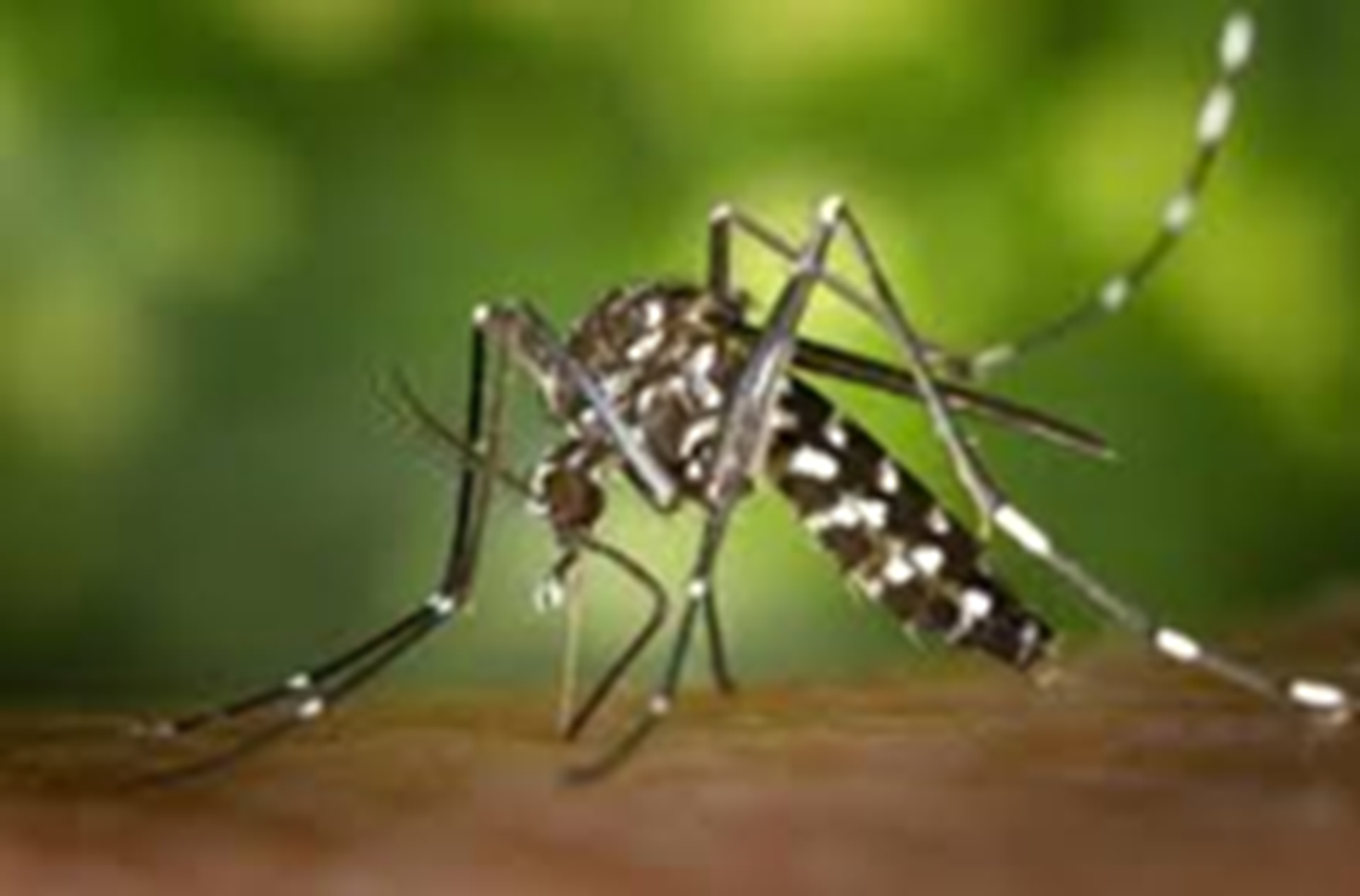
Tamil Nadu News: Several people have died in Tamil Nadu from dengue mosquito bites. Dengue is a viral infection spread by the bite of the Aedes mosquito. It causes symptoms such as high fever, headache, and body aches.
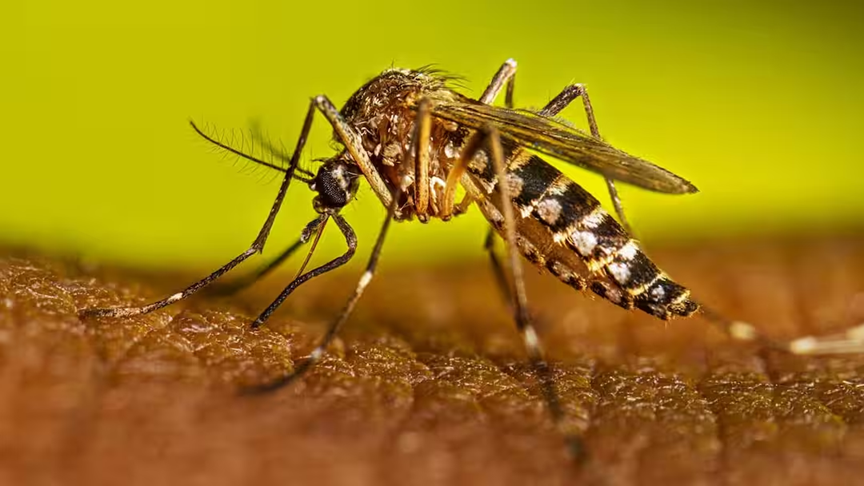
Dengue is spreading, don't be careless
Tamil Nadu News: In 2025, 25,278 people were affected by dengue fever in Tamil Nadu, and 10 people died. The Public Health Department has warned that the dengue outbreak will continue until February. During the rainy season, mosquitoes of the species 'Aedes aegypti', which spread dengue fever, breed in large numbers and spread the disease. Due to this, the dengue outbreak was severe from July to October. During these months, more than 500 people were being affected daily in districts including Chennai, Coimbatore, and Erode.
Due to the continued action taken jointly by the Public Health Department and local bodies, dengue outbreaks have now decreased, with daily cases being recorded below 100. Last year, 46,927 people were affected by dengue, while this year the number of affected people has been halved. This means that in the current year, 2025, the number of people affected by dengue is only 25,278. This outbreak has been halved compared to last year.
More outbreaks in urban areas
In this regard, Public Health Department officials stated that last year, 46,927 people were affected by dengue, and 13 of these people died. This year, dengue outbreaks were more prevalent during the rainy season, from July to October, particularly in urban areas compared to rural areas. Immediate medical camps were organized in areas with confirmed dengue cases, preventing the spread of the outbreak to others. This resulted in a reduction in the incidence of dengue fever. This year, 25,278 people were affected by dengue, and 10 of them have died.
6248 people affected by dengue in Chennai
The maximum number of dengue cases was reported in Chennai (6,284), followed by Tiruvallur (2,094), Coimbatore (1,882), and Cuddalore (1,525). Outbreaks in other districts have been confirmed in fewer than 1,000 people. The minimum number of cases was reported in Karur (91) and the Nilgiris (103). Dengue fever outbreaks have been reduced by 50 percent compared to last year. Currently, fewer than 100 cases are being detected.
In Chennai and suburban areas, 113 people affected by dengue fever are receiving medical treatment. The severity of the dengue outbreak has decreased, but it will persist in January and February, and only then will it begin to subside. Therefore, if you experience symptoms such as fever, do not be negligent and seek medical treatment rather than self-medication, they advised.
How does dengue occur?
Dengue is a viral infection spread by the bite of Aedes mosquitoes, causing symptoms such as high fever, headache, body aches, and muscle pain, and can be serious in some people. It is spread by mosquitoes such as Aedes aegypti and Aedes albopictus, especially those that bite during the day.
In some people, it can be severe, with symptoms such as abdominal pain, bleeding (gums, nose), and severe fatigue, which should definitely be treated in a hospital. Negligence should not be tolerated. After a mosquito infects a person, the virus is transmitted when the same mosquito bites another person. People who have already had dengue fever are at increased risk of developing severe dengue if reinfected. Therefore, people should remain vigilant.