LIFESTYLE
Thyroid Problems in Women: Why do women suffer from thyroid problems more than men? Know the reason behind it?
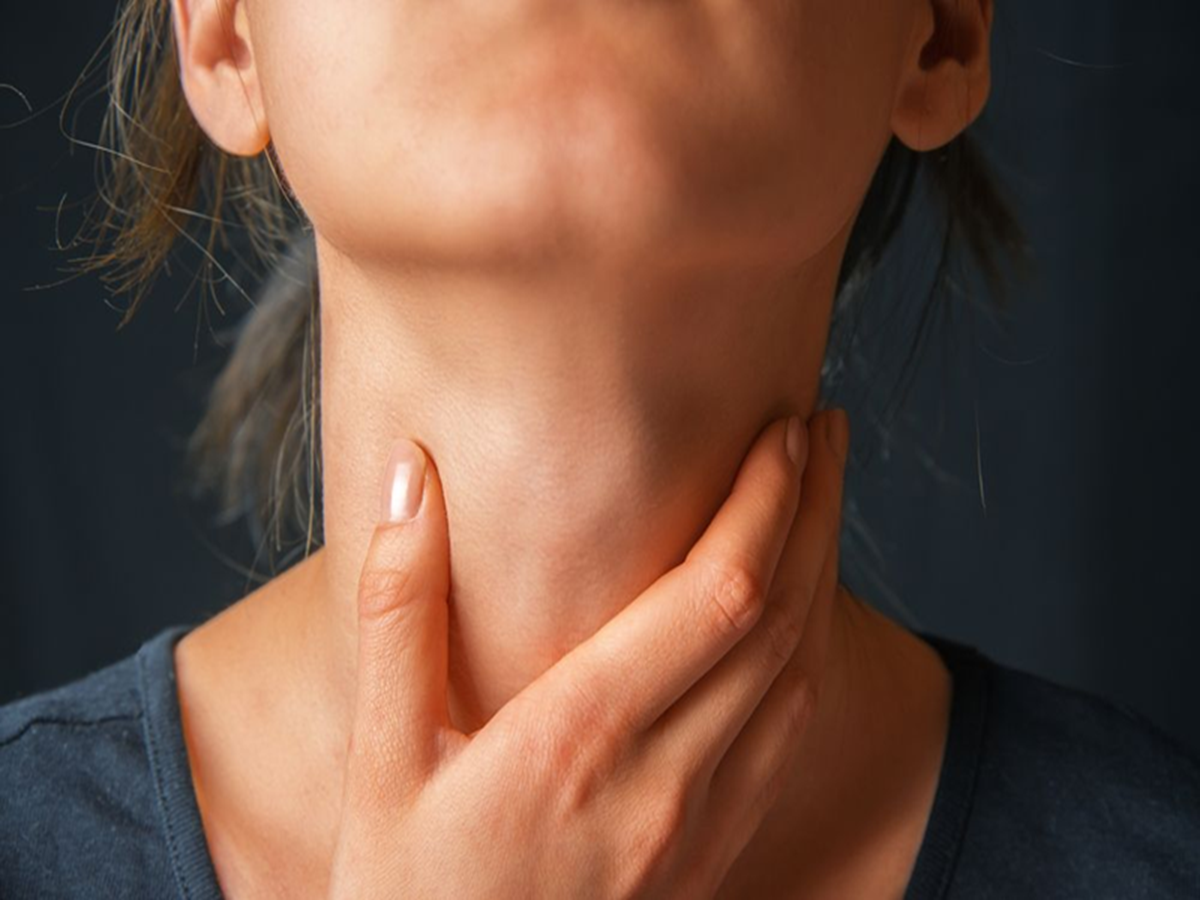
Hyperthyroidism in Women: The most common disease that is heard in any household is thyroid, and the surprising thing is that the number of women suffering from this disease is much higher than that of men.
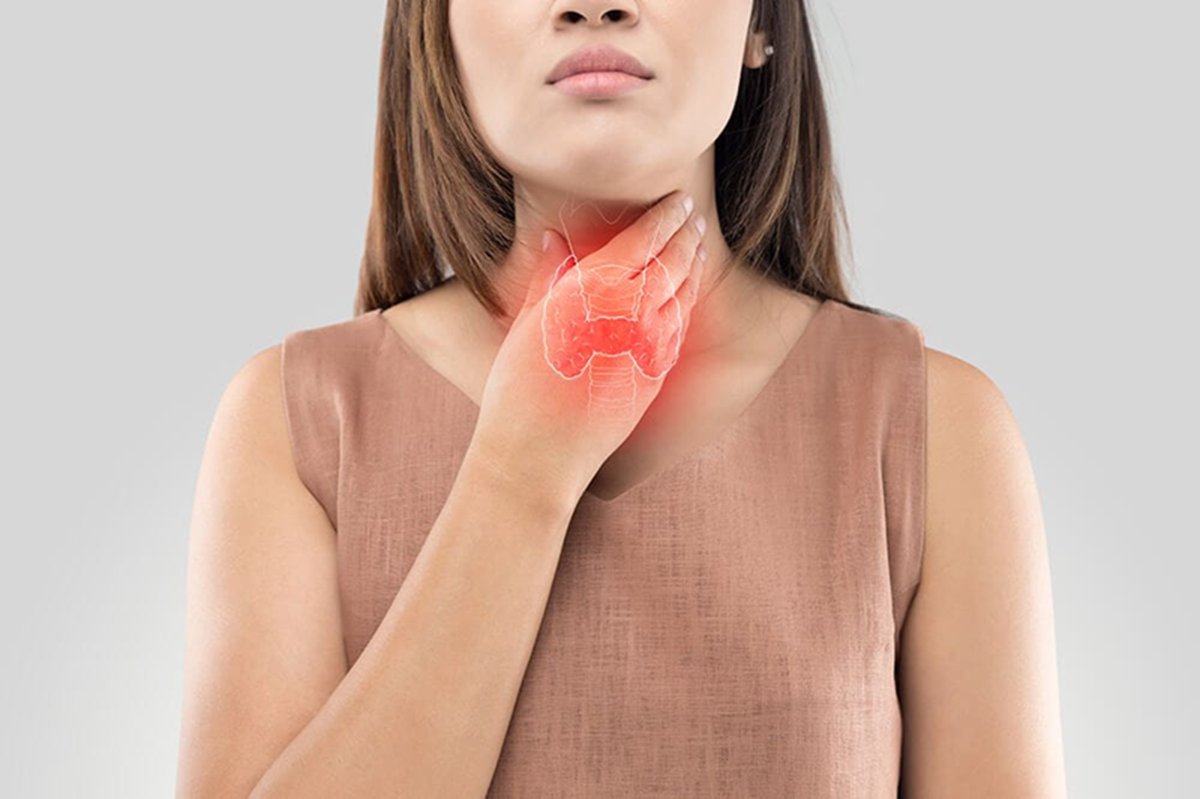
Causes of thyroid in women
Why Women Get Thyroid Problems: If there's one disease we hear about most often in any household, it's thyroid. Surprisingly, the number of women suffering from it far outnumbers that of men. People often associate it simply with weight gain or weakness, but the truth is that thyroid affects many vital functions of the body. This raises the question: why are women more likely to suffer from thyroid problems than men? It's not just one, but several biological and hormonal factors that are believed to be responsible for this.
Why is this problem more common in women?
According to Cadabams Diagnostics, a health information provider, one in eight women may develop thyroid problems at some point in their lifetime. The risk of developing this condition in women is considered to be five to eight times higher than in men. The risk increases with age, and in many cases, symptoms may go undetected for a long time. The thyroid is a butterfly-shaped gland in the neck that produces hormones that regulate the body's metabolism, energy, and growth. When this gland produces more or less hormones than required, problems like hypothyroidism or hyperthyroidism arise.
What are the reasons behind this?
Hormonal changes and autoimmune diseases are considered the most common causes of thyroid problems in women. Women's estrogen levels and immune systems differ from men's, which is why autoimmune diseases are more common in women. In such situations, the body's immune system mistakenly attacks the thyroid gland itself, increasing the risk of diseases like Hashimoto's thyroiditis and Graves' disease.
In which phases of women's life do these changes occur?
Certain stages in a woman's life also increase the risk of thyroid problems. Hormones in the body change rapidly during pregnancy, the postpartum period, and menopause. These changes can also affect the thyroid gland. This is why women are advised to get regular checkups during these stages. The effects of thyroid problems go beyond just weight gain or fatigue. It can cause irregular periods, cause problems with conception, and impact the health of both mother and baby during pregnancy. At older ages, its symptoms can often mimic those of menopause, which can delay diagnosis.
Which symptoms should not be ignored?
If you experience persistent fatigue without any reason, sudden weight gain or loss, hair loss, dry skin, frequent mood swings, or swelling in the neck, these symptoms should not be ignored. If you experience these symptoms, it's best to consult a doctor and get important blood tests like TSH, T3, and T4. With timely diagnosis and proper treatment, thyroid can be largely controlled.