LIFESTYLE
Why do girls grow beards and mustaches? Unwanted facial hair! Why do girls struggle with beards and mustaches?
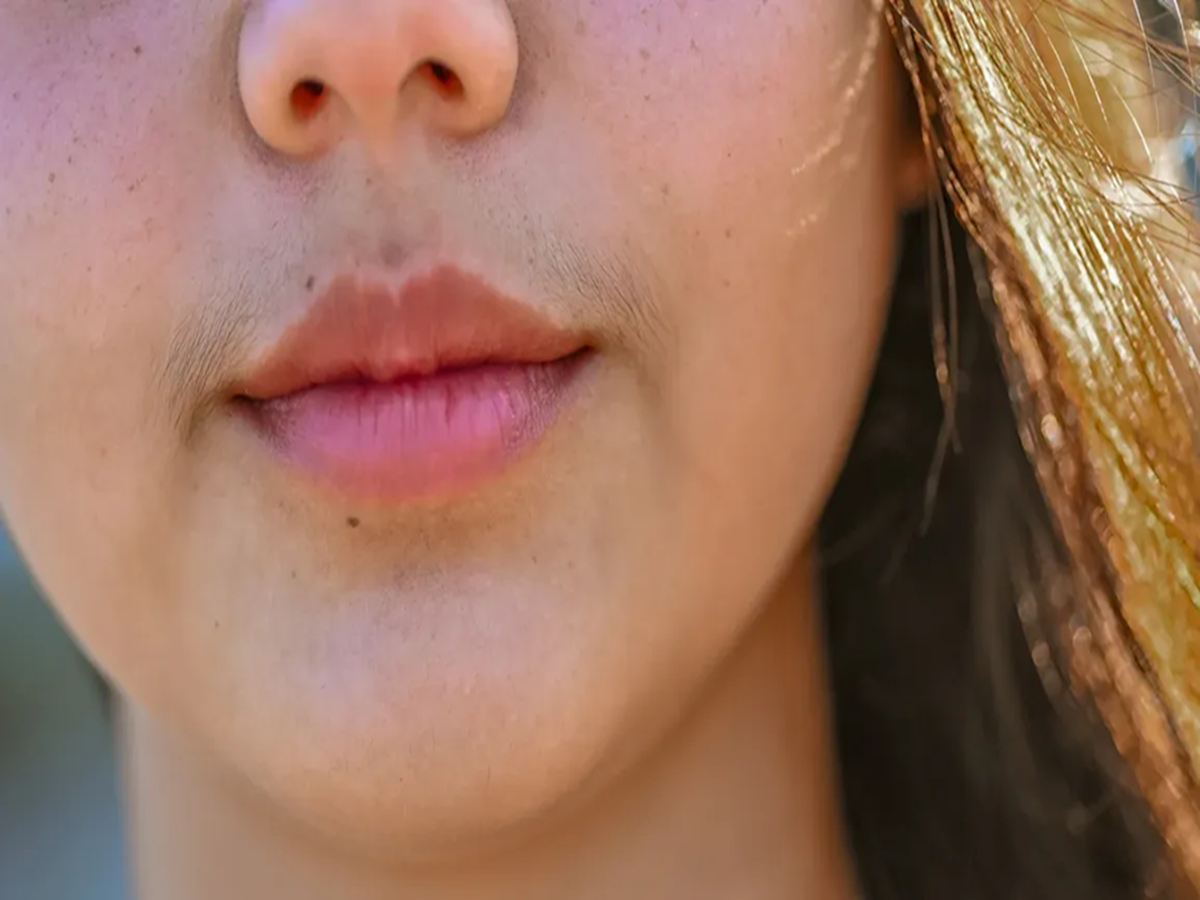
Female Beard Causes: According to the medical information organization, excessive growth of black and thick hair on the face, chest, back, or other parts of the body of women is called hirsutism.
Reasons for facial hair growth in girls
Why Do Women Have Beards and Moustaches: Why do women grow beards and moustaches? As soon as this question comes out of your mouth, a sea of knowledge starts flowing from the eyes of the people sitting around you. People give it different names according to their own understanding. Still, such gossip is rarely seen in cities. But if someone in villages even accidentally comes to know that a girl has such a problem, then it becomes a topic of discussion. Well, people should leave it because these are their own thoughts and knowledge. Let us tell you why girls grow beards and moustaches, and is there is any problem behind it.
Why do girls have beard and moustaches?
According to Mayo Clinic, a medical information organization, hirsutism is the growth of excessive, dark, and coarse hair on a woman's face, chest, back, or other parts of the body. In this condition, the hair growth pattern resembles that of a man. The most hair growth is seen above the lips, on the chin, chest, abdomen, inner thighs, and back. This is not only a cosmetic problem, but can also sometimes be a sign of hormonal imbalance in the body.
What causes this problem?
The most common cause of hirsutism is an excess of male hormones, called androgens, in the body. Testosterone is the main hormone. When this level increases, unwanted hair growth can occur rapidly in women. In some cases, it can also be accompanied by symptoms such as hoarseness of voice, hair loss, increased acne, reduced breast size, muscle swelling, and an enlarged clitoris.
Are there any health problems as well?
Now let's look at whether there could be any underlying health reasons behind this problem. According to reports, the most common cause is polycystic ovary syndrome, now called polyendocrine metabolic ovarian syndrome, which causes hormonal imbalance. Other causes include Cushing's syndrome, congenital adrenal hyperplasia, and rare tumors that develop in the ovaries or adrenal glands. Taking certain medications, such as minoxidil, danazol, testosterone, or DHEA supplements, can also lead to excess body hair. However, in many women, no clear cause is found.
Who is more at risk?
Some women are at higher risk for hirsutism than others. A family history of PCOS or a congenital hormonal disorder may increase the risk. Women of Mediterranean, Middle Eastern, and South Asian descent are also more likely to develop hirsutism. Obesity can also worsen the condition by increasing androgen levels.
When should one consult a doctor?
Hirsutism isn't a life-threatening condition, but its psychological impact can be profound. Many women feel uncomfortable with their appearance and experience low self-confidence or stress. If symptoms such as irregular periods, sudden, rapid hair growth on the face or body, or a change in voice occur, consult a doctor immediately.