
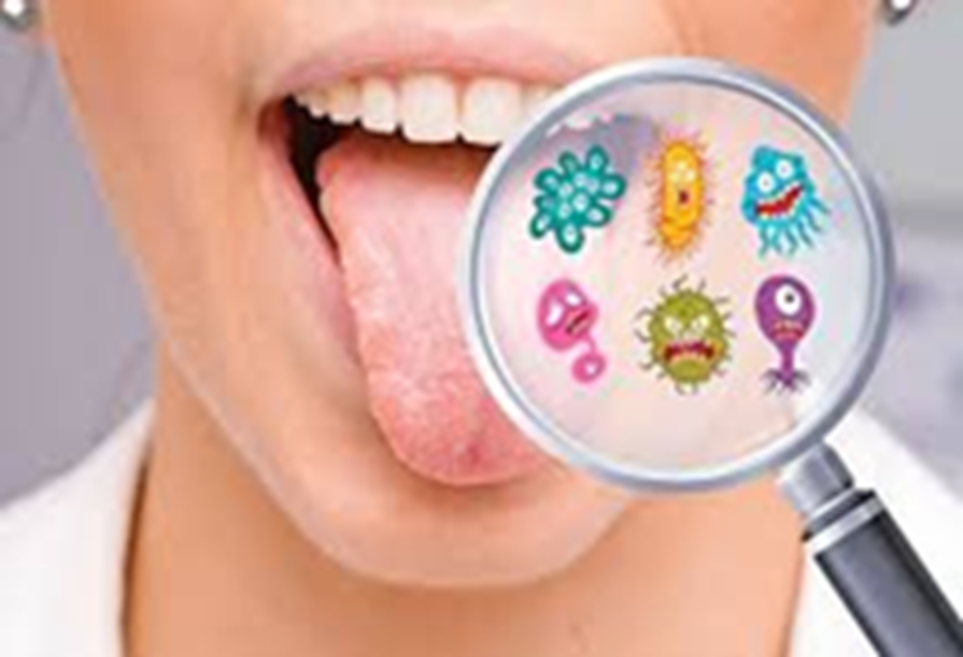
Now researchers say that harmful bacteria present in the mouth can gradually enter the body and cause damage to important organs like the liver.

We often think that oral health is limited to the teeth and gums. If a tooth gets infected or bleeding gums, people dismiss it as a minor problem. However, a recent scientific study has completely changed this thinking. Researchers now say that harmful bacteria in the mouth can gradually enter the body and damage vital organs like the liver. Neglecting oral hygiene can directly impact liver health. This study shows that while the mouth and liver may seem like separate organs, they are deeply connected. This news is especially important for those already struggling with diabetes, obesity, or alcohol consumption.
What did the study reveal?
This study, published in the prestigious scientific journal Nature Microbiology, involved scientists from the Technical University of Munich, Germany, who conducted research on 86 patients. They examined saliva and stool samples. They found that certain bacteria, typically found only in the mouth, were present in high numbers in the intestines of those with severe liver disease. These bacteria specifically included Veillonella and Streptococcus.
How do oral bacteria reach the intestines and liver?
Scientists say that under normal conditions, these bacteria are not found in the intestines. However, in people with chronic liver disease, these bacteria travel from the mouth to the intestines and settle there. Researchers explain that these bacteria produce enzymes that damage the intestinal barrier. When this barrier is weakened, the bacteria easily enter the bloodstream and then travel directly to the liver. This increases liver inflammation and can worsen the disease.
What does the doctor say?
According to experts, bacteria in the gums can enter the bloodstream through small cuts created during everyday activities like brushing or chewing. These bacteria then travel to the liver, causing inflammation and stressing the immune system. They explain that prolonged inflammation increases the risk of fatty liver, liver fibrosis, and serious liver disease.
Which people are more at risk?
According to doctors, this problem can happen to anyone, but some people are at greater risk, such as diabetic patients, obese or overweight people, regular alcohol drinkers, people with weak immune system. These people already have inflammation in their body, which gives more opportunity to bacteria to thrive.
Recognize the early signs of oral disease
Frequent bleeding gums, bad breath, swollen or painful gums, receding gums, and loose teeth are signs of an increase in bacteria in the mouth, which can eventually harm the entire body.
What to do to keep the liver safe?
Experts say that good oral hygiene can play a vital role in protecting liver health. To achieve this, brush your teeth properly twice a day. Floss daily to remove food and bacteria trapped between your teeth. Schedule regular checkups with your dentist. Don't underestimate any oral health issues. Avoid alcohol and maintain a healthy diet.