The 'Taxation and Other Laws (Amendment) Bill' introduced by Finance Minister Nirmala Sitharaman has a provision that can remove the legal ban on banks and payment service providers from charging MDR in the future.
On which transaction will the fee have to be paid?
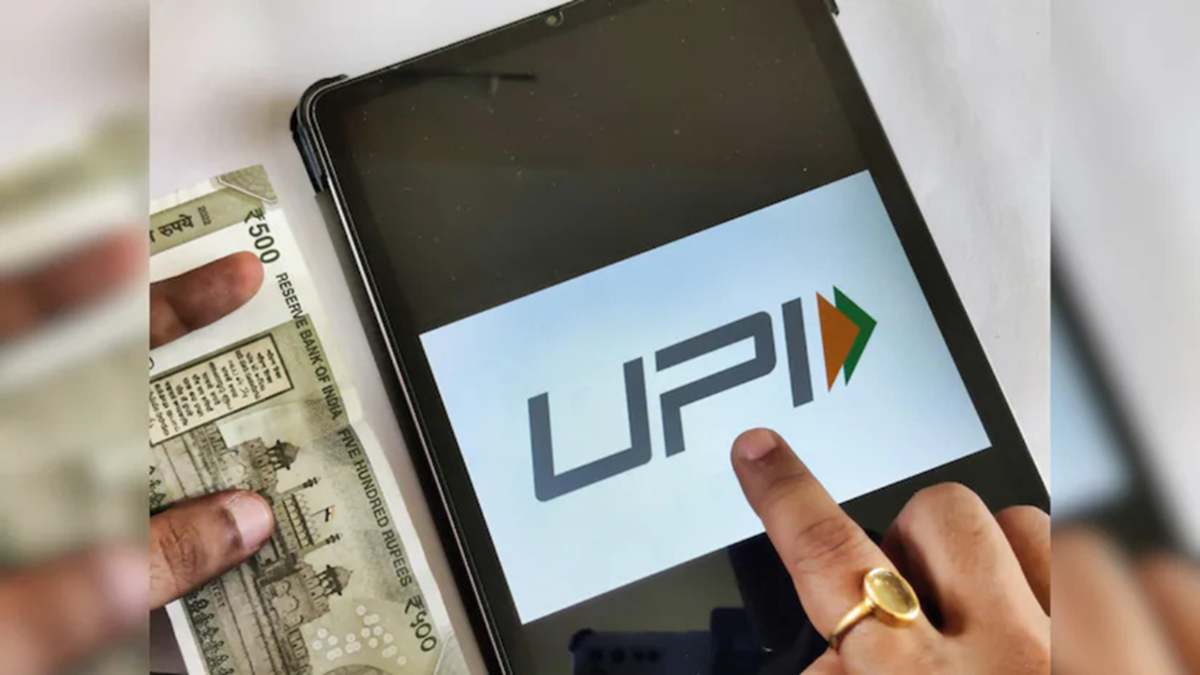
The government may allow businesses to levy a Merchant Discount Rate (MDR) or charge of 0.25% to 0.4% on UPI payments above ₹2,000. However, person-to-person payments will be excluded from this scope. Finance Minister Nirmala Sitharaman introduced the Taxation and Other Laws (Amendment) Bill on Tuesday. The Taxation and Other Laws (Amendment) Bill, introduced by Finance Minister Nirmala Sitharaman, contains a provision that could remove the legal bar on banks and payment service providers from charging MDR (Merchant Discount Rate) in the future.
What does it mean?
Before we understand this, let's first understand what MDR is. MDR (Merchant Discount Rate) is a fee that a merchant or merchant pays to their bank or payment service provider when accepting a digital payment. This fee is not collected directly from the customer.
This means that if a customer makes a payment at a store using UPI, the merchant typically pays the MDR. However, sometimes merchants may add this additional cost to the price of goods or services, which can indirectly impact customers.
Currently, MDR i.e., Merchant Discount Rate, is not charged on many digital payment mediums (like UPI and RuPay debit card). In the new bill, the government has proposed to remove the legal provision that prohibits charging MDR, but this does not mean that charges will be levied on UPI from tomorrow.
Even if MDR is implemented on business UPI payments above ₹2,000 in the future, it won't impact most people's everyday purchases. This is because nearly 95% of UPI transactions are ₹2,000 or less. Transactions above ₹2,000 represent only about 5% of the total, but their amounts are significant. Therefore, they account for approximately 65% of total transaction value. This means that if you buy milk, vegetables, pay auto or taxi fare, tea, go to a restaurant, or use UPI for other small purchases, you won't be affected.
However, high-end items, such as electronics, furniture, jewelry, or large bills, may require payments above ₹2,000. If MDR is implemented in the future, it will primarily impact such transactions.
Will people have to pay now?
No, government officials have clearly stated that no decision has been made yet on when MDR will be implemented, or whether it will be implemented at all. For the average person, this means that your UPI payments remain free as before. This bill only gives the government the option to change the rules in the future. If the decision to implement MDR is made in the future, the government will make a separate announcement and specify the rules.
What will be the impact on the common people?
There won't be any immediate impact on the general public. The bill simply opens the door for the government or regulators to allow certain electronic payment methods to impose MDR in the future. This doesn't currently impose any new charges on your UPI or card payments.
What could happen if MDR is implemented in the future?
Potential advantages
Banks and payment companies will receive revenue, allowing them to invest more in digital payments infrastructure.
Small merchants could experience improved payment services and fewer technical difficulties.
Potential harm
-Merchants may pass on the MDR to customers, meaning goods or services may become slightly more expensive.
-Some merchants may encourage cash payments over digital payments.
-This could impact the pace of digital payment adoption.