NEWS
WhatsApp Scam Alert 2026: Can Replying 'NO' to a Fake Bank Message Hack Your Account? Know the Truth
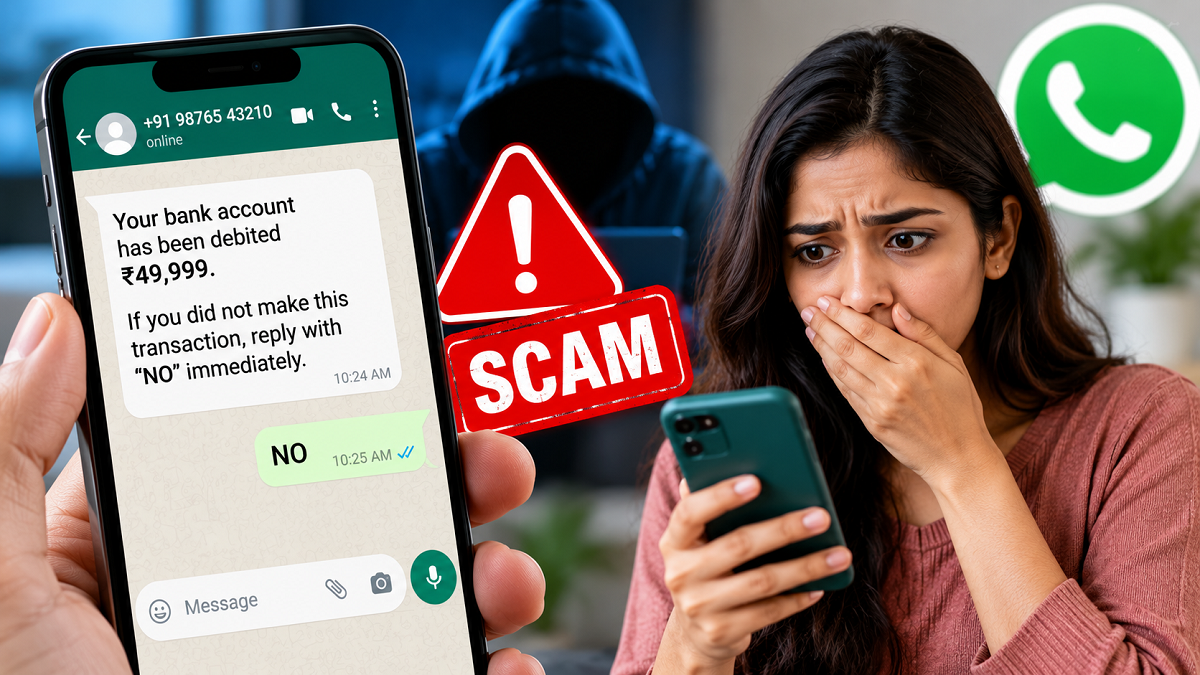
WhatsApp Scam Alert 2026: Cybercriminals are finding new ways to deceive smartphone users through fake banking notifications, suspicious links and misleading WhatsApp messages. One such scam involves sending a message about an unauthorized bank transaction and asking the recipient to reply with the word "NO" if they did not make the payment.
These messages are designed to create panic and encourage people to respond without checking whether the alert is genuine. Fraudsters may then attempt to obtain banking credentials, convince victims to install harmful applications or direct them to fraudulent websites.
Reports have also highlighted concerns raised by Hyderabad Police Commissioner VC Sajjanar about suspicious messages and online financial fraud. However, users should understand one important distinction: simply replying "NO" to a WhatsApp message does not automatically hack a phone or empty a bank account.
The danger usually arises when someone follows additional instructions from a scammer.
What Is the WhatsApp 'NO' Reply Scam?
The reported scam typically begins with a WhatsApp message from an unfamiliar number. The sender may claim to represent a bank or another financial institution.
The message might say that a large amount has been debited from the recipient's account. It may then ask the person to reply "NO" if the transaction was not authorized.
This creates a sense of urgency, particularly when the message mentions a significant financial loss.
After receiving a response, the fraudster may continue the conversation and pretend to help reverse the transaction.
The victim could then be asked to click a verification link, download an application, disclose sensitive information or follow instructions supposedly needed to secure their account.
The original message is often just the beginning of a larger social-engineering attempt.
Can Replying 'NO' Really Hack Your Phone?
There is no established technical basis for claiming that typing and sending the word "NO" in an ordinary WhatsApp conversation automatically gives someone access to your smartphone or bank account.
A simple text response does not normally authorize a financial transaction, install software or disclose your banking password.
However, responding to an unknown sender may confirm that your number is active and encourage further contact.
The more serious risk appears when users interact with malicious links, install untrusted applications, reveal confidential information or approve transactions they do not understand.
Therefore, the safest approach is to avoid engaging with suspicious financial messages and independently verify any banking claims.
How Scammers Can Steal Money Without Asking for an OTP
Many people believe that financial fraud is impossible unless they disclose a one-time password. Although OTPs are an important security measure, criminals can exploit several other weaknesses.
1. Fake Banking Websites
Fraudsters may share links that closely resemble the official websites of banks or payment services.
These pages can be designed to capture usernames, passwords, card details or other sensitive information.
2. Malicious Mobile Applications
Victims may be persuaded to install applications outside trusted app stores.
Some malicious applications can request excessive permissions, collect sensitive data or interfere with normal device security.
3. Remote Access Fraud
A scammer pretending to be a bank employee or technical support representative may ask someone to install a remote-access application.
If the victim grants dangerous permissions, the fraudster may be able to view or control parts of the device.
4. Social Engineering
Cybercriminals frequently impersonate bank officials, customer service agents or representatives of well-known organizations.
They may use urgency, fear or convincing explanations to persuade people to reveal information or authorize payments.
5. Fraudulent Payment Requests
Some scams involve tricking users into approving UPI payment requests or entering their UPI PIN under false pretences.
Remember that a UPI PIN is generally used to authorize payments, not to receive money.
Warning Signs of a Fake WhatsApp Banking Message
Fraudulent messages often contain recognizable warning signs.
A message may claim that money has suddenly been withdrawn from your account without providing verifiable transaction details.
The sender might insist that you respond immediately or risk losing more money.
Another common warning sign is a request to open an unfamiliar website or install an application to reverse a transaction.
Scammers may also ask for confidential details, including your OTP, ATM PIN, UPI PIN or online banking password.
Messages that pressure you to act quickly should always be treated with caution, even when they appear to come from a recognizable organization.
How to Protect Your WhatsApp and Bank Account From Scammers
Following a few basic security practices can significantly reduce your exposure to online fraud.
Avoid Suspicious Messages: Do not engage with unfamiliar senders who make alarming claims about financial transactions.
Never Open Unverified Links: If you receive a banking alert, open your bank's official application directly instead of following a link in the message.
Protect Confidential Information: Never share your OTP, UPI PIN, ATM PIN, password or other sensitive banking credentials.
Install Apps From Trusted Sources: Avoid downloading unknown applications through WhatsApp links or unofficial websites.
Check Banking Activity Independently: Verify suspicious transaction claims through your bank's official app, website or verified customer care number.
Keep Your Smartphone Updated: Regular security updates help protect devices against known vulnerabilities.
Enable WhatsApp Two-Step Verification: This adds another layer of protection against unauthorized account registration attempts.
Review Linked Devices: Open WhatsApp's Linked Devices section and sign out of any unfamiliar sessions.
Users should also report suspicious accounts through WhatsApp's available reporting and blocking options.
What Should You Do If You Receive a Fake Bank Alert?
If a WhatsApp message claims that money has been deducted from your bank account, do not immediately follow the sender's instructions.
First, check your account balance and transaction history using your bank's official application.
If you find no suspicious transaction, avoid further engagement with the unknown sender.
If the message includes a link, do not open it merely to investigate whether the claim is genuine.
When necessary, contact your bank using a phone number obtained from its official website, mobile application or other verified banking material.
What If You Have Already Clicked a Suspicious Link?
If you opened an unfamiliar link but did not enter any information or download software, close the page and avoid further interaction.
If you entered your banking credentials, change the affected passwords through the official banking platform and immediately inform your bank.
If you installed an unknown application, disconnect from suspicious sessions, remove the application where safe to do so and consider obtaining professional assistance to check the device.
If you suspect unauthorized access to your WhatsApp account, review linked devices and take steps to secure your account.
Most importantly, contact your bank immediately if any unauthorized financial activity is detected.
How to Report WhatsApp Financial Fraud in India
People who experience financial cyber fraud in India should report the incident as quickly as possible.
The national cybercrime helpline number is 1930, which is intended to assist with reporting financial cybercrime.
Complaints can also be submitted through the official National Cyber Crime Reporting Portal at cybercrime.gov.in.
Victims should preserve relevant evidence, including screenshots of suspicious messages, transaction details, phone numbers and any fraudulent website addresses.
Prompt reporting can improve the chances of authorities and financial institutions taking action, although recovery of lost funds is not guaranteed.
Final Word: Do Not Panic Over a WhatsApp Message
The WhatsApp "NO" reply scam highlights how criminals can exploit fear and confusion to manipulate users.
A suspicious message alone does not mean your smartphone has been compromised, and replying with a simple word does not automatically provide access to your money.
The greater danger comes from trusting an unverified sender and following instructions that expose your personal information or financial accounts.
The safest rule is simple: never act on an unexpected banking alert until you have verified it independently through your bank's official channels.