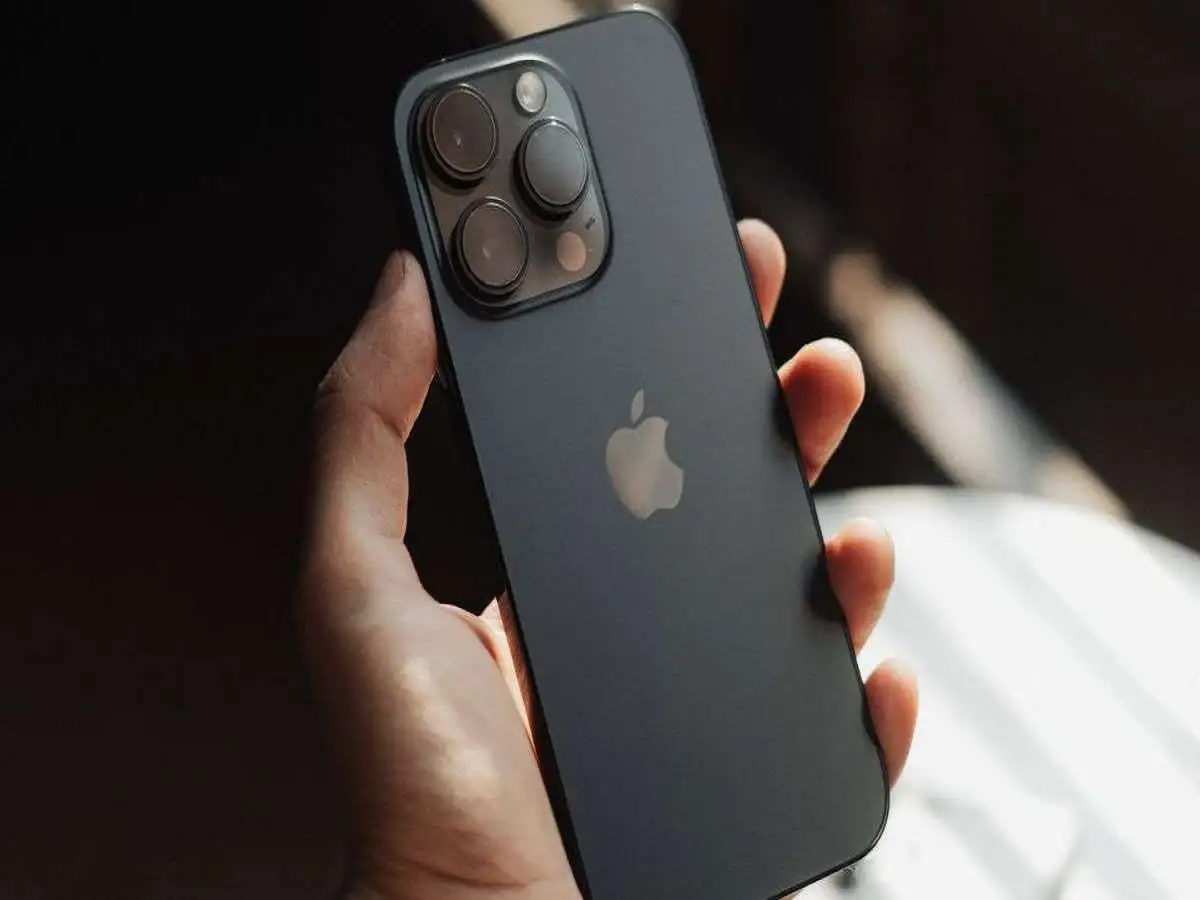
Many iPhone users notice that their devices become slower after several years of use, leading to a common question: Do software updates intentionally slow down older iPhones? The answer is more nuanced than a simple yes or no.
Apple has explained that older iPhones can experience reduced performance primarily because of battery aging, not merely because of software updates. As lithium-ion batteries degrade over time, the device may automatically manage performance to maintain stability and prevent unexpected shutdowns.
Here's everything you need to know about iPhone battery throttling, why it happens, and how you can improve your device's speed.
Do Older iPhones Really Become Slower?
Yes. Older iPhones can gradually lose performance as they age, and battery health plays a major role.
iPhones use lithium-ion batteries, which naturally lose their ability to hold and deliver peak power after hundreds of charge cycles. As battery capacity declines, it becomes more difficult for the battery to supply enough power during demanding tasks.
To maintain stability, the iPhone may reduce processor performance, making the device feel slower during everyday use.
What Is iPhone Battery Throttling?
Battery throttling is Apple's performance management feature designed to prevent older iPhones from shutting down unexpectedly.
When a degraded battery cannot provide sufficient power during activities such as:
- Gaming
- Video editing
- Camera processing
- Running multiple apps simultaneously
the iPhone may automatically reduce CPU performance to lower power demand.
This process helps keep the device operational instead of allowing sudden shutdowns caused by insufficient battery output.
Why Older iPhones Sometimes Shut Down Unexpectedly
As batteries age, their ability to deliver peak current decreases.
During resource-intensive tasks, the processor requires more power. If the battery cannot meet that demand, the device may unexpectedly power off.
To minimize these shutdowns, Apple's performance management system temporarily limits processor speed when necessary. While this can make the phone feel slower, it improves overall reliability.
Low Storage Can Also Reduce Performance
Battery health is not the only reason an iPhone may slow down.
If your storage is nearly full—especially above 90% capacity—you may experience:
- Slow app launches
- Delayed touch response
- Frequent app crashes
- System lag
- Reduced overall performance
Unused apps, duplicate photos, large videos, and cached files can consume valuable storage and affect system responsiveness.
Older Hardware Faces New Software Demands
Although Apple provides software updates for older iPhone models for several years, newer versions of iOS are designed to support modern features and more powerful hardware.
As a result, iPhones that are four to five years old may find it more challenging to handle:
- Advanced AI-powered features
- Graphics-intensive games
- Large applications
- Multitasking
- New system animations
This doesn't necessarily mean the software is intentionally slowing the device—it often reflects the limitations of older hardware compared to newer models.
How to Make an Older iPhone Faster
If your iPhone feels sluggish, these steps may help improve its performance:
1. Check Battery Health
Go to:
Settings → Battery → Battery Health & Charging
Review your battery's Maximum Capacity.
If battery health has dropped below 80%, Apple recommends considering a battery replacement.
2. Replace an Aging Battery
Installing a new battery through an Apple Authorized Service Provider or an official Apple Service Center can significantly improve performance if battery degradation is the primary cause.
3. Free Up Storage
Delete unnecessary:
- Apps
- Photos
- Videos
- Downloads
- Cached files
Keeping at least 10–15 GB of free storage can help your iPhone run more smoothly.
4. Keep iOS Updated
Install the latest stable version of iOS whenever available.
Apple regularly releases updates containing:
- Performance improvements
- Security patches
- Bug fixes
- Battery optimizations
Updating your device ensures it benefits from ongoing software enhancements.
5. Reduce Background Activity
Limiting unnecessary background app refresh, widgets, and location services can also improve overall responsiveness while extending battery life.
Is Battery Throttling a Bad Thing?
Battery throttling is designed to protect aging devices rather than shorten their lifespan. While users may notice slower performance, the feature helps prevent random shutdowns and allows older iPhones to remain usable for longer.
If your iPhone has become noticeably slower, checking battery health and storage usage should be the first steps before considering an upgrade. In many cases, replacing an aging battery and freeing up storage can restore much of the device's original performance.