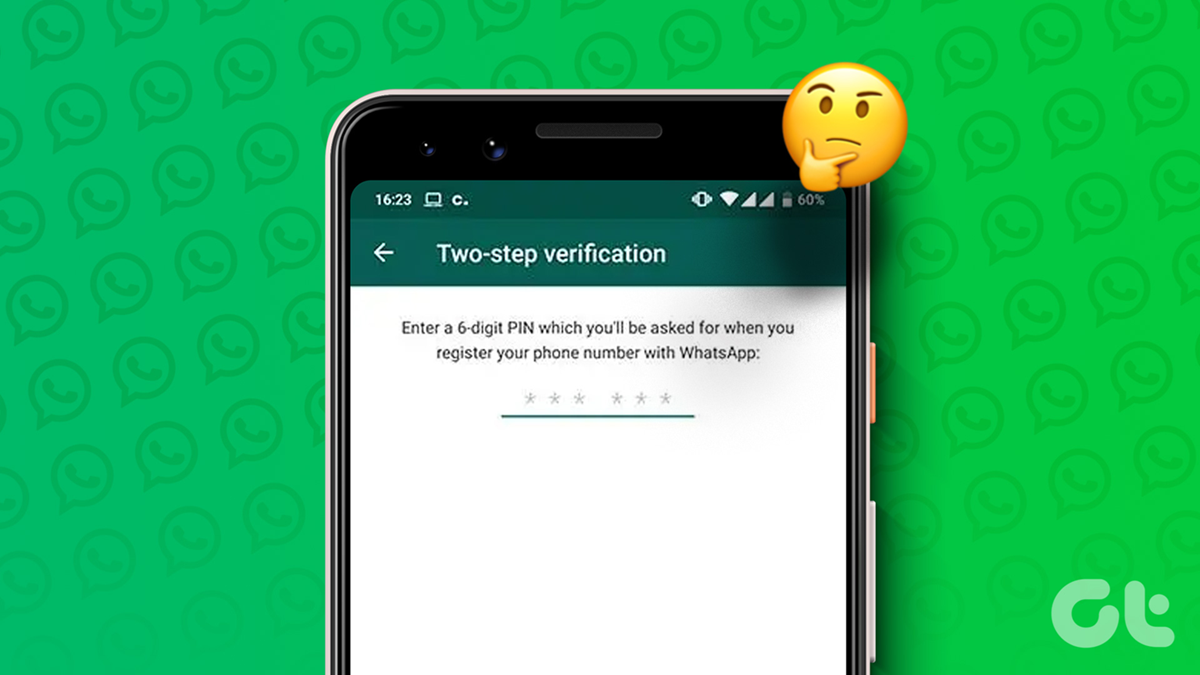
WhatsApp Age Verification: In the past few days, some users have started seeing the age verification option on WhatsApp. Why is WhatsApp testing this feature?

WhatsApp Age Verification: Why is WhatsApp asking users for their age?
WhatsApp Age Verification: Messaging platform WhatsApp has started testing its age verification feature in India. Some users are seeing this feature, in which it is asking for the date of birth. Below it is written that due to the law applicable in India, we have to ask for your age. Till now, the age verification test is an option and it is not mandatory for the user to verify their age. It should be noted that the new Digital Personal Data Protection (DPDC) Act is going to be implemented in India from May 13 next year; keeping this in mind, WhatsApp is bringing this age verification feature.
What did the company say about age verification?
According to media reports, Meta stated that WhatsApp is testing privacy-protective age verification methods to comply with the DPDP Act. This will not alter WhatsApp's functionality or user experience. The company understands that age information is private and will not be shared with other users.
Which laws is WhatsApp preparing for?
The DPDP Act, 2023, is a data privacy law that will govern how companies, governments, and other organizations collect, process, store, and use users' personal data. This law received Presidential assent in August 2023, and its provisions are being implemented in a phased manner. The provisions of this law, which relate to children's data, are set to come into effect in May next year. Section 9 of this law establishes specific rules regarding children's personal data on online platforms. This law defines anyone under the age of 18 as a "child." Therefore, any online platform or other data fiduciary must obtain verifiable parental consent from a child's parent or legal guardian before processing their personal data. This means that WhatsApp must verify whether the user is under 18 or over. If the age is under 18, it must obtain the consent of the child's parents. Without this, it will not be able to collect and process the user's personal data.
Online platforms will also confirm identity
As we discussed above, WhatsApp will not only require parental consent to process and collect data, but it will also require verification. This means the platform will be obligated to confirm the identity of the child's parents or guardians. Under the law, companies will be required to verify whether the person claiming to be the child's parent or legal guardian is over 18 years of age. This will require verifying their identity and maintaining a record of this verification.
In what ways will parents be verified?
The DPDP Act provides two methods for verifying the age and identity of parents and legal guardians. The first method is based on existing platform records. This means that if a parent or guardian is a registered user of the platform and their age and identity have been verified, this can be used for verification. The second method allows parents or guardians to verify their identity using government documents.
Strictness is being maintained on social media for children.
Countries around the world are tightening regulations on children's social media use. Several countries, including Australia, have banned social media platforms like Facebook, Instagram, and Snapchat for children under 16, and preparations are underway in many others.