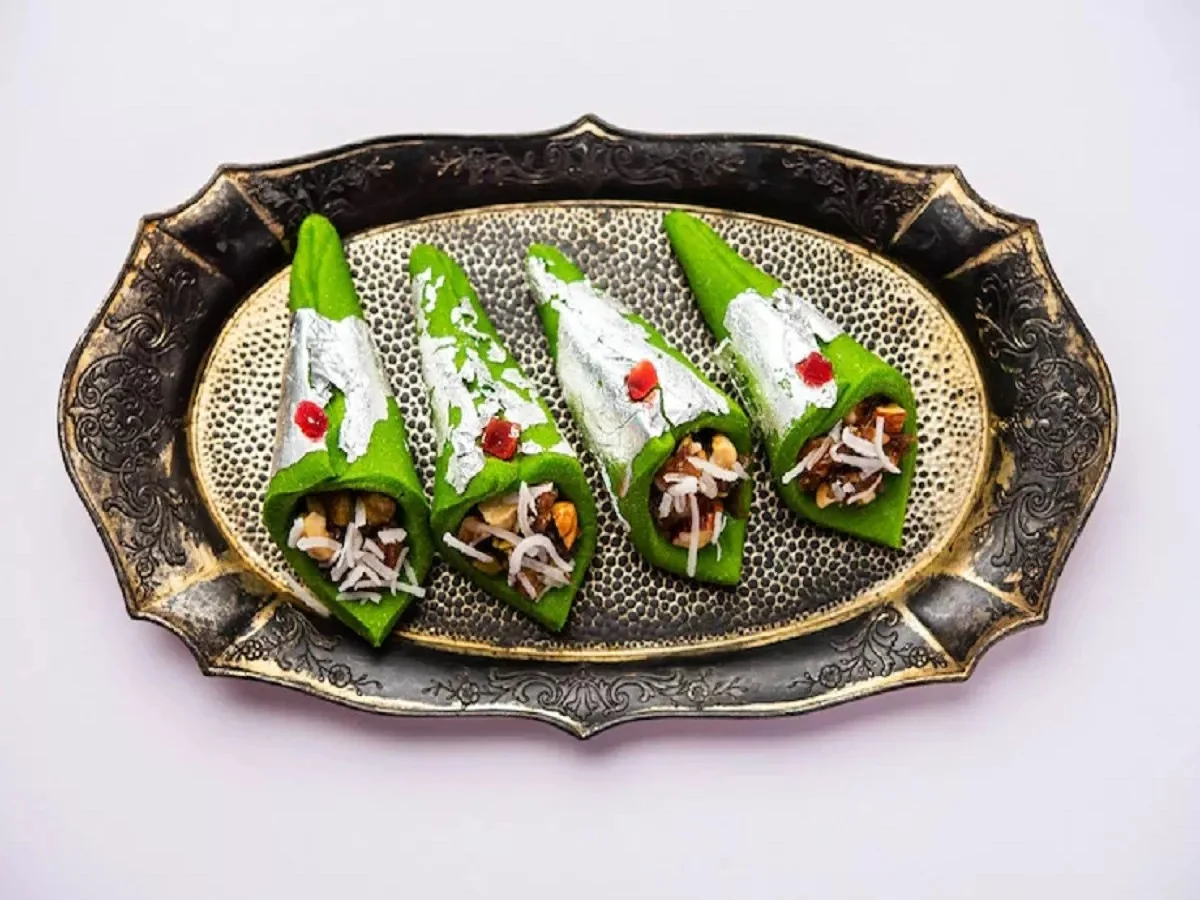
Betel leaf, commonly known as paan, has been a part of Indian tradition and culture for centuries. It is often consumed after meals for its refreshing taste and is also served during festivals and social gatherings. While plain betel leaves are used in some traditional practices and may contain certain beneficial plant compounds, not every type of paan is considered safe for everyone.
Health experts caution that paan containing tobacco, areca nut (supari), sweetened fillings, or other additives may pose health risks, especially for people with certain medical conditions. In some cases, regular consumption can worsen existing health problems or increase the risk of serious diseases.
Here are the groups of people who should be particularly careful about consuming paan.
1. People With High Blood Pressure
Individuals diagnosed with high blood pressure (hypertension) should avoid consuming paan that contains tobacco or areca nut.
These ingredients may contribute to an increase in heart rate and blood pressure, potentially placing additional strain on the cardiovascular system. People with hypertension should follow their doctor's dietary advice and avoid products that may aggravate their condition.
2. Pregnant Women
Pregnant women are generally advised to avoid paan containing tobacco or areca nut.
Research has linked tobacco use during pregnancy with several health risks for both the mother and the developing baby. Excessive consumption of areca nut has also been associated with potential health concerns.
Expectant mothers should consult their healthcare provider before consuming any herbal or traditional products during pregnancy.
3. People With Dental or Gum Problems
Those suffering from dental issues such as:
- Tooth decay
- Gum disease
- Tooth sensitivity
- Oral infections
should avoid chewing paan, particularly varieties containing areca nut or tobacco.
Frequent chewing can place additional stress on teeth and gums and may worsen existing oral health conditions. Hard ingredients like areca nut can also contribute to tooth wear and damage over time.
4. People at Risk of Oral Cancer
One of the most significant health concerns associated with paan is the increased risk of oral cancer, particularly when it contains tobacco and areca nut.
According to medical research, long-term use of tobacco-containing paan significantly increases the risk of cancers affecting the mouth, tongue, throat, and other parts of the oral cavity.
The World Health Organization (WHO) classifies areca nut as a carcinogen, and health experts strongly discourage regular use of products containing tobacco or areca nut.
Anyone experiencing persistent mouth ulcers, white patches, difficulty swallowing, or unexplained oral discomfort should seek medical evaluation promptly.
5. People With Diabetes
People living with diabetes should be cautious when consuming sweet paan.
Many commercially prepared paan varieties contain large amounts of sugar, candied ingredients, sweet syrups, and flavored fillings that can raise blood glucose levels.
Maintaining stable blood sugar is essential for diabetes management, making sugary paan an unsuitable choice for many diabetic individuals.
If you have diabetes, consult your healthcare provider or dietitian before including such foods in your diet.
Is Plain Betel Leaf Safe?
Plain betel leaf without tobacco, areca nut, or excessive sweeteners is different from commercially prepared paan.
Some traditional practices use plain betel leaves after meals, and limited consumption may not pose the same risks associated with tobacco-containing products. However, scientific evidence regarding health benefits remains limited, and moderation is generally recommended.
The overall health impact depends largely on the ingredients added to the betel leaf.
Tips for Better Oral Health
To reduce oral health risks:
- Avoid tobacco-containing paan.
- Limit or avoid areca nut (supari).
- Choose sugar-free options if appropriate.
- Maintain good oral hygiene.
- Visit a dentist regularly.
- Seek medical advice if you notice persistent mouth changes.
These steps can help lower the risk of dental problems and serious oral diseases.
Key Takeaway
While betel leaf has long been part of Indian culinary and cultural traditions, paan containing tobacco, areca nut, or high amounts of sugar may not be suitable for everyone. People with high blood pressure, diabetes, dental problems, pregnancy, or an increased risk of oral cancer should exercise caution or avoid such products altogether. If you have an existing medical condition or are unsure whether paan is appropriate for you, it is always best to consult a qualified healthcare professional before making it a regular part of your diet.