NEWS
WhatsApp Boss Message Scam: One Fake Message Could Empty Your Bank Account, Here's How to Stay Safe
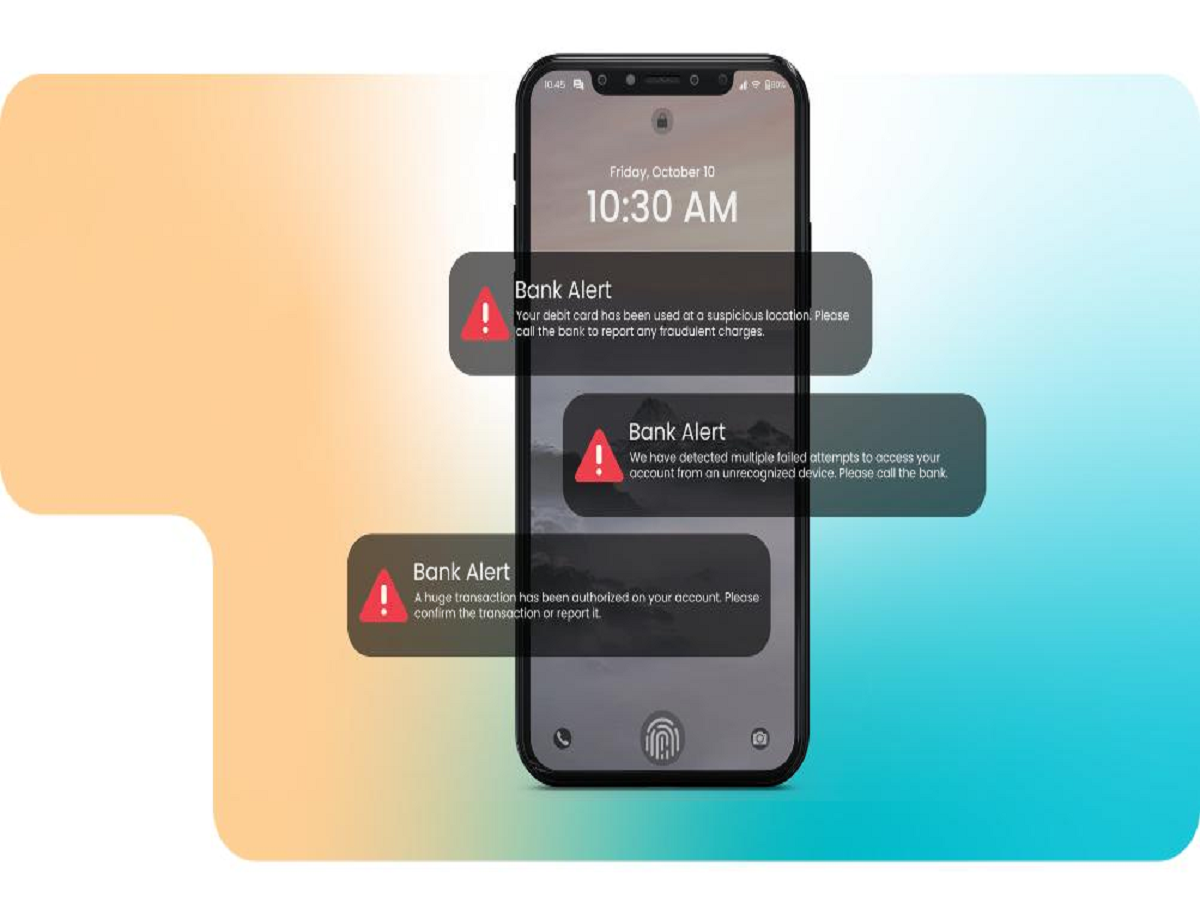
Cybercriminals are now using WhatsApp, AI-generated deepfakes and voice cloning to impersonate company bosses and trick employees into transferring money. Here's how the 'Boss Scam' works and the precautions you should take.
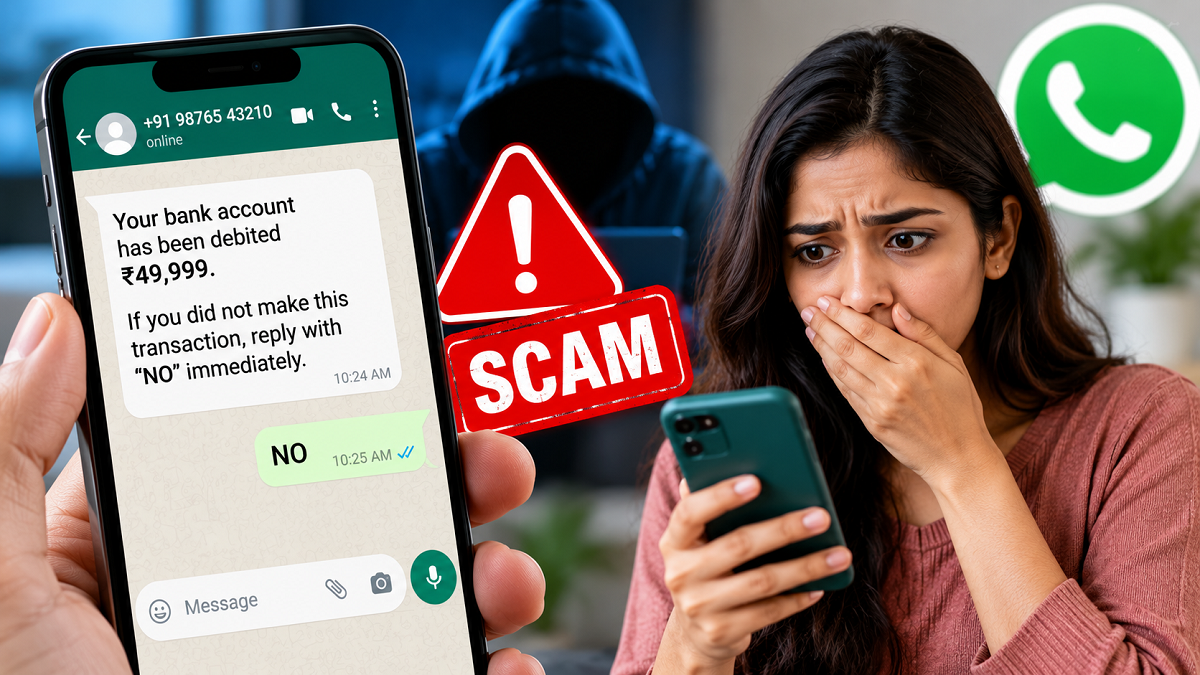
A new cyber fraud known as the "Boss Scam" is becoming a growing concern in India. In this scam, fraudsters pretend to be a company's CEO, Managing Director or other senior executive and send urgent payment instructions through WhatsApp or other digital platforms.
The Securities and Exchange Board of India (SEBI) has recently warned listed companies and regulated entities about this AI-enabled fraud after receiving inputs from the Indian Cyber Crime Coordination Centre (I4C) regarding an increase in such cases.
What Is the WhatsApp Boss Scam?
In a Boss Scam, cybercriminals impersonate senior company officials using technologies such as:
- AI-generated voice cloning
- Deepfake video calls
- Fake WhatsApp accounts
- Email impersonation
- Microsoft Teams and other messaging platforms
Their goal is to convince finance or accounts employees to transfer money to fraudulent bank accounts by creating a sense of urgency and confidentiality.
How the Scam Works
The fraud generally follows these steps:
- Criminals create a fake WhatsApp profile using the CEO's name and photo.
- They contact employees responsible for payments.
- The message claims an urgent and confidential transaction must be completed immediately.
- In some cases, fraudsters use AI-generated voice or video calls to make the request appear genuine.
- Victims transfer funds believing they are following instructions from senior management.
Another Dangerous Trick: WhatsApp Hijacking
SEBI has also warned about another variation of the scam.
Fraudsters may send malicious ZIP files or other infected attachments. If opened, these files can:
- Compromise the victim's device.
- Hijack active WhatsApp Web sessions.
- Gain access to company communications.
- Send fake payment requests from legitimate accounts.
Warning Signs You Should Never Ignore
Be cautious if you receive:
- A sudden request for an urgent bank transfer.
- Instructions marked "strictly confidential."
- A message asking you not to verify with anyone.
- A request from an unknown or newly changed phone number.
- Unexpected ZIP files or executable attachments.
How to Protect Yourself
To reduce the risk of falling victim:
- Always verify payment instructions through an independent phone call or official communication channel.
- Never rely solely on WhatsApp messages for financial approvals.
- Avoid opening suspicious ZIP files or unknown attachments.
- Log out of inactive WhatsApp Web sessions.
- Enable two-factor authentication on WhatsApp.
- Follow your organization's payment approval process without exceptions.
What to Do If You Suspect a Scam
If you believe you have been targeted:
- Stop the transaction immediately, if possible.
- Inform your bank without delay.
- Report the incident to your organization's IT or cybersecurity team.
- File a complaint with the National Cyber Crime Helpline (1930) or the cybercrime reporting portal.
Final Takeaway
The WhatsApp Boss Scam combines artificial intelligence, social engineering and impersonation techniques to deceive employees into transferring company funds. As these scams become more sophisticated, verifying every financial request through trusted channels is more important than ever. A quick confirmation call can prevent a significant financial loss.
Disclaimer: This article is for awareness purposes only. If you receive suspicious payment requests or believe you have been targeted by cyber fraud, immediately contact your bank and report the incident to the appropriate cybercrime authorities.