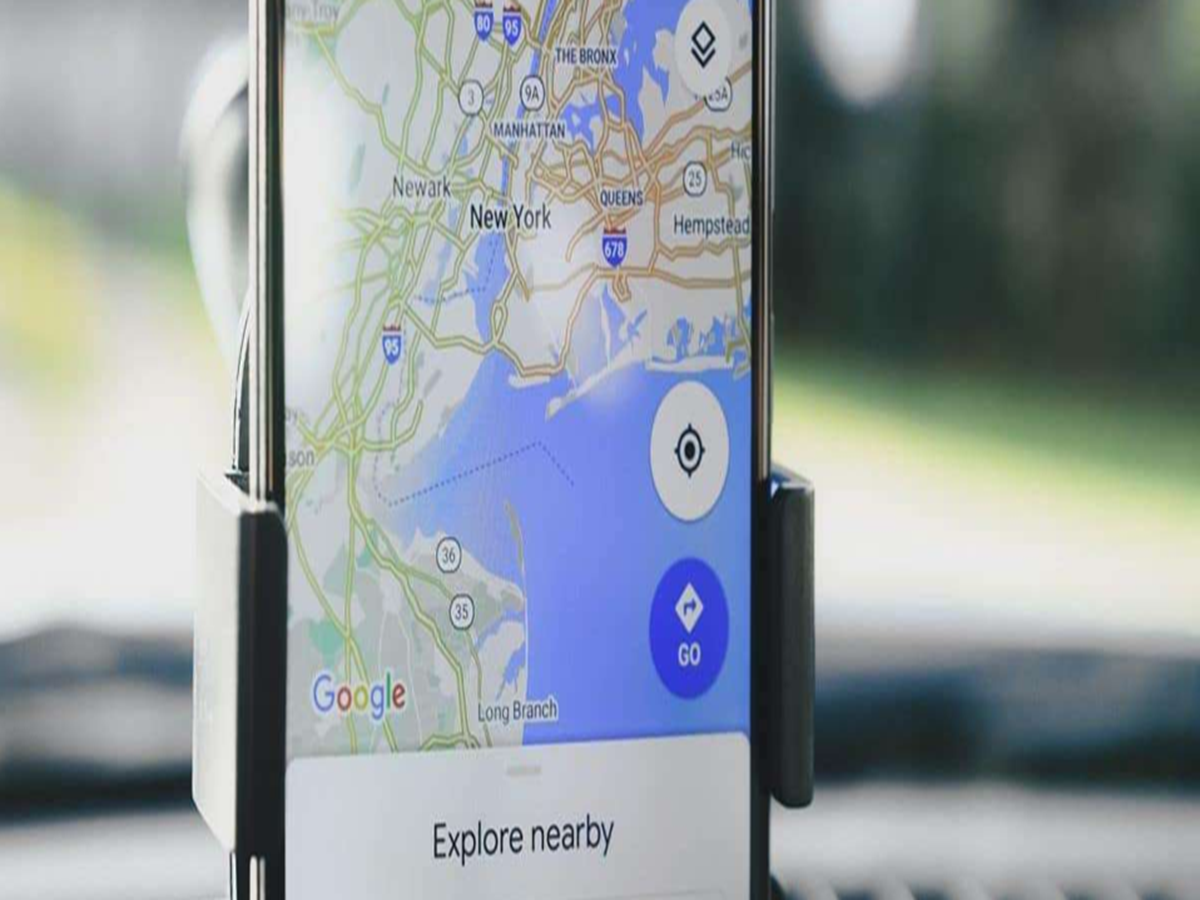
GPS: People often think of GPS as just a navigation technology, but that's not true. It's capable of much more than that.
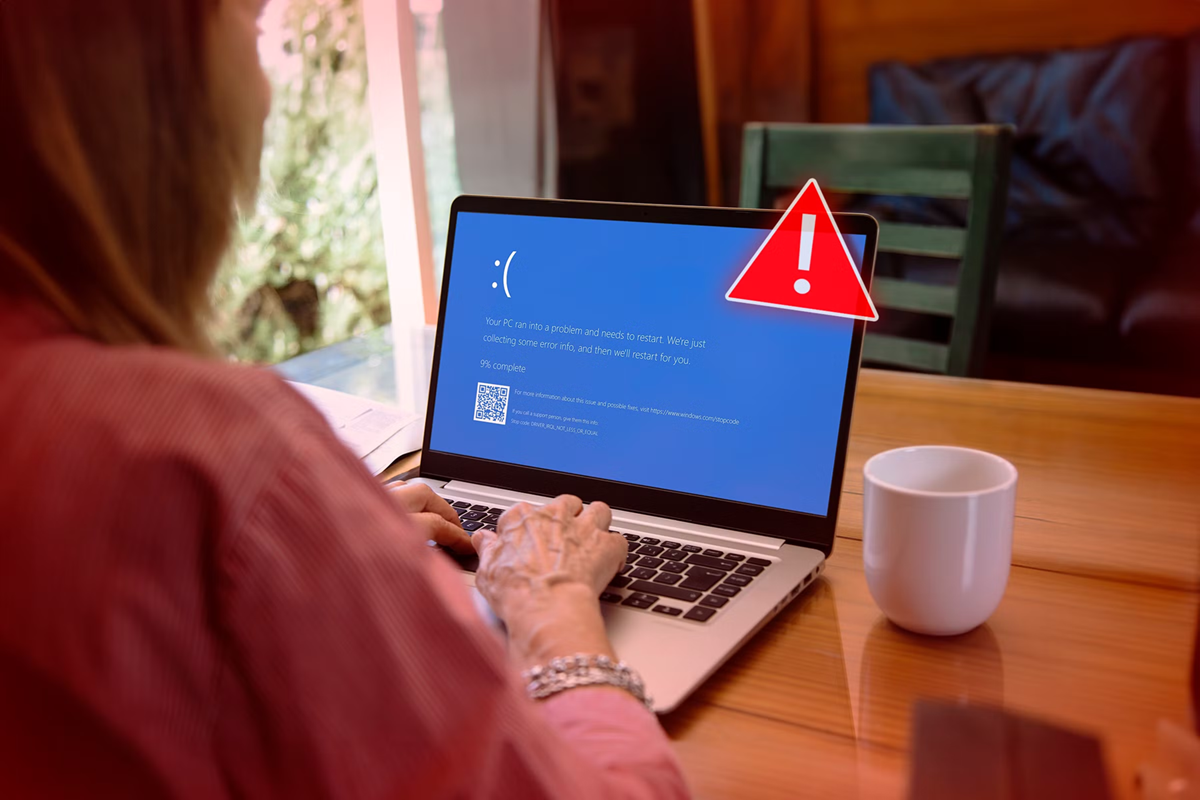
(What happens if GPS is turned off)
GPS: Today, technology has advanced so much that people can reach any location without asking anyone. In fact, GPS has made it incredibly easy for people to reach their destination, even in other countries. But have you ever considered what would happen if GPS were to go down? Experts say that if GPS were to go down, its effects would be felt worldwide. Let's find out the full story.
Many essential services will also be affected.
It's worth noting that people often think of GPS as merely a navigation technology, but that's not true. It's capable of much more than that. It provides accurate time and location to power grids, mobile networks, internet services, financial transactions, emergency services, and transportation systems.
If GPS is down for a long time, it could cause significant disruptions to air traffic management, maritime vessels, railway systems, and many digital services. This could also impact business, supply and demand, and public services.
What will happen first if GPS is turned off?
According to media reports, Jack Casas, a professor in the Department of Electrical and Computer Engineering at Ohio State University, says that even a single day without GPS could prove to be very costly. According to the report, if this system were to shut down, the United States alone could suffer an economic loss of approximately $1 billion a day.
Initially, people will experience minor issues: mobile maps won't provide accurate directions, cab drivers won't be able to reach your location, delivery services will be affected, and finding the correct exit on the highway will become difficult.
Why is the threat to GPS increasing?
Experts say that GPS flaws are nothing new. For years, it's been recognized that GPS signals can be disrupted during war or military action. But now, such incidents are occurring even under normal circumstances.
With the increasing use of technology, the reliance on GPS has also increased significantly. Consequently, activities such as jamming or spoofing its signal have become a greater concern than ever before.
What is GPS jamming and spoofing?
For your information, GPS jamming involves deliberately disturbing GPS signals, preventing the device from receiving a valid signal. GPS spoofing is an even more dangerous technique. It involves sending fake GPS signals to a device to share a false location.
This means that an aircraft, ship, or other vehicle could believe it is in a different location than it actually is. Such a situation could lead to accidents and significant financial losses.
There could be a major impact on sea and air transport.
According to experts, ships at sea could lose track of their true location if they receive inaccurate GPS signals. This could increase the risk of collisions, misdirection, or even stranding in shallow waters.
Similarly, inaccurate location information on aircraft can pose a serious security challenge. Such situations can seriously threaten the safety of passengers and can also pose a significant business problem.
What is the solution to this
Now, if we talk about solutions, experts believe that the world no longer needs to rely solely on GPS, but should instead work towards developing alternative navigation systems. In the future, technology should emerge that works in conjunction with GPS and can be activated immediately as a backup when needed.
New satellite technologies, advanced navigation systems, and solutions like multi-source positioning are being rapidly developed. These backup systems could help ensure uninterrupted GPS services if a future issue occurs.