ASTROLOGY
Vastu Tips for Rented Homes: Can Vastu Defects Affect Tenants? Know Traditional Beliefs and Simple Remedies
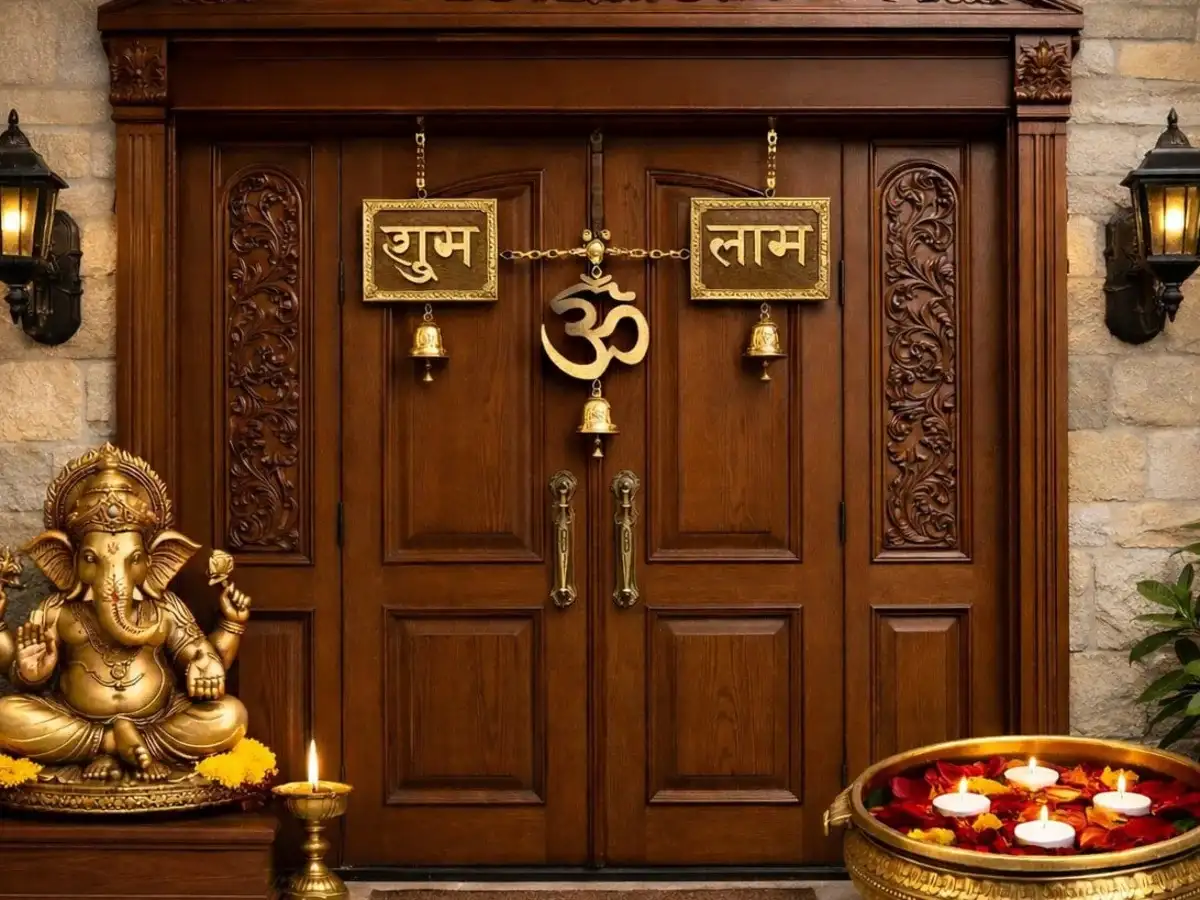
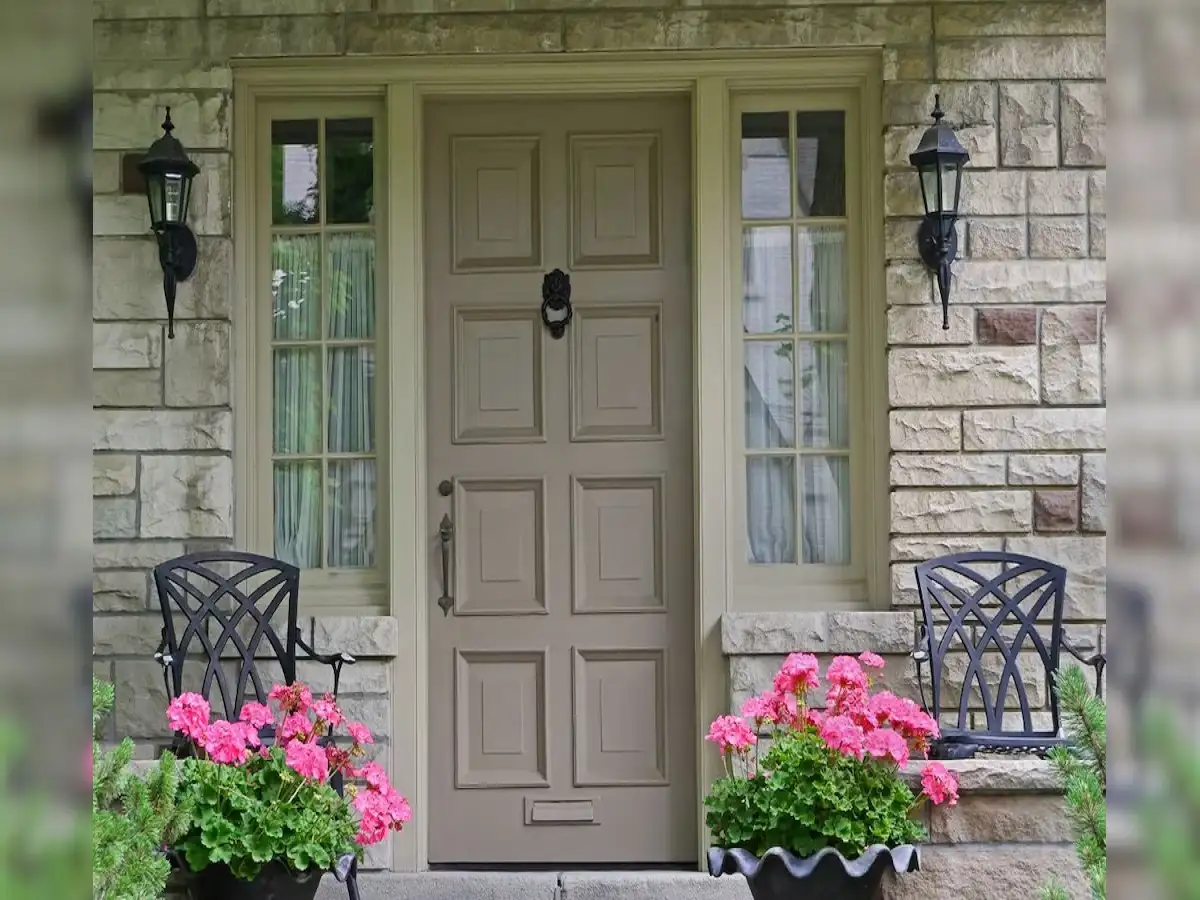
Vastu Shastra Tips for Tenants: Moving into a rented apartment or house involves several important considerations, including monthly rent, location, security, ventilation and access to essential facilities. However, people who follow Vastu Shastra also pay attention to the direction, layout and interior arrangement of their living space.
Vastu Shastra is a traditional Indian architectural system that emphasises harmony between buildings, their surroundings and the people occupying them. According to traditional beliefs, the arrangement of a residential property may influence the atmosphere experienced by its occupants.
But does a Vastu defect affect only the property owner, or can tenants also experience its supposed consequences?
Traditional Vastu practitioners believe that the influence of a home's layout extends to its residents, irrespective of whether they own or rent the property. However, these beliefs are not scientifically established.
Tenants who wish to follow Vastu principles can consider several simple, non-structural adjustments without undertaking expensive renovations.
Can Vastu Defects Affect People Living in Rented Properties?
According to Vastu traditions, the significance of a residential property is associated with its orientation, internal arrangement, entrance and distribution of living spaces.
Practitioners believe that individuals who regularly sleep, work, cook and spend time inside a property may experience the supposed influence of its Vastu arrangement.
Therefore, ownership is not considered the determining factor under traditional Vastu principles. Instead, the emphasis is placed on the individuals occupying the living space.
However, there is no reliable scientific evidence demonstrating that a property's directional arrangement directly causes financial difficulties, family disputes or health problems.
Four Problems Traditionally Associated With Vastu Defects
1. Mental Stress and Restlessness
Traditional Vastu beliefs associate certain interior arrangements and directional imbalances with emotional discomfort and mental restlessness.
A poorly organised home may also feel uncomfortable for practical reasons. Excessive clutter, inadequate lighting, noise and limited personal space can contribute to an unpleasant living environment.
Keeping rooms organised, allowing natural daylight indoors and creating a comfortable relaxation area may help improve everyday comfort.
2. Disagreements Among Family Members
Some Vastu practitioners believe that an unsuitable arrangement of bedrooms, kitchens and common living areas may disturb harmony among family members.
However, relationship difficulties can arise from numerous personal, emotional and financial circumstances. They should not automatically be attributed to architectural directions.
Maintaining open communication, respecting personal space and creating a comfortable shared environment can help families address everyday disagreements more effectively.
3. Financial Difficulties and Career Challenges
Traditional Vastu practices associate certain directions and household arrangements with prosperity, professional development and financial stability.
Followers may prefer to keep particular areas of their homes clean, organised and free from unnecessary objects.
Nevertheless, financial stability primarily depends on practical factors such as income, expenditure, savings, employment opportunities and financial planning. Changing furniture placement cannot guarantee improved earnings or career advancement.
4. Health and Well-Being Concerns
Traditional Vastu principles often emphasise natural light, fresh air and cleanliness within residential spaces.
Unlike unproven claims about directional energy, inadequate ventilation, excessive moisture, mould and poor indoor air quality can have genuine consequences for physical health and overall comfort.
Tenants should pay particular attention to these practical housing conditions and inform their landlords about necessary repairs.
Simple Vastu Remedies for Rented Houses Without Renovation
Tenants generally have limited authority to modify the structural design of their rented accommodation. However, those interested in traditional Vastu practices can consider reversible adjustments that do not require demolition or permanent alterations.
| Area of the House | Traditional Vastu Suggestion |
|---|---|
| Main entrance | Keep the entrance clean, well-lit and unobstructed |
| Northeast corner | Maintain an organised and clutter-free space |
| Bedroom | Traditionally, sleeping with the head towards the south or east is preferred |
| Kitchen | Maintain cleanliness and adequate ventilation |
| Living room | Arrange furniture to allow comfortable movement |
| Prayer area | The northeast direction is traditionally preferred |
| Windows | Allow natural daylight and fresh air indoors |
| Bathroom | Maintain hygiene and repair water leakage |
| Storage areas | Remove unnecessary and unused household items |
These suggestions reflect traditional preferences and practical housekeeping measures rather than scientifically proven remedies for Vastu defects.
Important Things to Check Before Renting a House
Individuals searching for a new rental property should evaluate its overall condition instead of focusing exclusively on directional arrangements.
The following factors deserve particular attention:
- Availability of sufficient natural sunlight and ventilation.
- Reliable electricity and clean water supply.
- Safe electrical wiring and functional plumbing.
- Absence of excessive dampness, mould and water leakage.
- Adequate security and emergency exits.
- Comfortable bedroom, kitchen and living room arrangements.
- Reasonable rental charges and transparent agreement conditions.
- Access to transportation, healthcare and essential services.
People who follow Vastu Shastra may additionally consider their preferred entrance direction, bedroom placement and prayer area while selecting a property.
Is It Necessary to Change Houses Because of Vastu Defects?
Moving to another property solely because of a perceived Vastu defect may not be necessary.
Tenants can make minor interior adjustments, improve cleanliness, reorganise furniture and enhance lighting without making permanent changes to the property.
Any structural modification should be undertaken only after obtaining the landlord's permission.
If residents experience persistent health concerns, financial difficulties or relationship problems, they should seek appropriate professional assistance rather than relying exclusively on Vastu remedies.
Create a Comfortable and Peaceful Living Environment
Whether a property is rented or privately owned, maintaining a clean, safe, organised and well-ventilated home can improve everyday living conditions.
Individuals who value Vastu Shastra can incorporate traditional practices according to their personal preferences while giving equal importance to practical housing requirements.
Ultimately, a comfortable residential environment depends on several factors, including safety, hygiene, affordability, accessibility and the well-being of its occupants.
Disclaimer: Vastu Shastra is based on traditional architectural and cultural beliefs. Claims linking Vastu defects to financial losses, illnesses, relationship problems or negative energy are not scientifically proven. The suggestions in this article should not replace professional medical, financial or psychological advice.