LIFESTYLE
Toothache and cancer: If you have a persistent toothache, don't ignore it; it could be cancer.
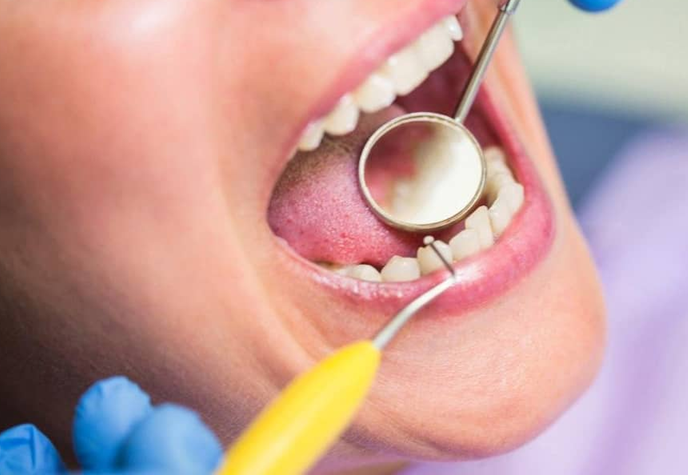
Jaw Cancer Symptoms: People often ignore toothaches, thinking they are normal. Let us tell you when this pain can be harmful.

Can a toothache be a sign of cancer?
Can Tooth Pain Be A Sign Of Oral Cancer? Sometimes a toothache seems like a common problem. We think that maybe we ate something too cold, chewed something hard, or didn't brush our teeth properly, that's why it's hurting. But if this pain persists for a long time and feels a little different from normal pain, then it should not be taken lightly. In most cases, a toothache is a sign of a common dental problem, but in some rare cases, it can also be a sign of a serious disease, such as oral cancer or jaw cancer. Therefore, it is important to understand the difference between common toothache and cancer-related symptoms.
When does tooth or mouth cancer occur?
According to oncarecancer, a cancer information site, dental cancer typically begins in the gums, the lining around the teeth, or the jawbone. Many people don't believe cancer can develop in the mouth or around the teeth, so they ignore early symptoms. This is why patients often seek treatment late. Fortunately, if this disease is detected early, it's treatable. Doctors can prevent the cancer from spreading by removing a small area of the affected area, and the patient can recover completely.
Why do people mistake it for normal pain?
Toothache is very common and can be caused by a variety of factors, including cavities, gum infections, teeth grinding, or sinus problems. While these conditions typically resolve with treatment, cancer-related pain is different. It can begin gradually, persist, and worsen over time. Sometimes, the pain can radiate to the jaw, face, or ears.
What are its signs?
Persistent pain: While regular toothaches often subside after a while, cancer-related pain can persist for a long time. If the pain persists for weeks or months, even after brushing, taking medication, or trying home remedies, it may be cause for concern.
Swelling around the jaw or teeth: Swelling due to infection or injury is normal, but if the swelling grows slowly, feels hard, and doesn't resolve for a long time, it shouldn't be ignored. Sometimes, it can also slightly change the shape of the face or make it difficult to open the mouth.
Loose teeth without any reason: Sometimes teeth become loose due to gum disease or injury, but if teeth become loose without any apparent reason, it could be a sign of changes in the jawbone or surrounding tissues.
How are these symptoms different from normal pain?
The cause of a normal toothache is clear and usually relieves after treatment. However, symptoms associated with cancer include persistent pain, persistent swelling, and progressive changes to the tooth or jaw. Long-term sores in the mouth, numbness, or unexplained looseness of the tooth can also be serious signs. If these symptoms persist, it's important to consult a doctor or dentist immediately. Early diagnosis and treatment can prevent serious complications.