LIFESTYLE
Surgical Complications: Mistake, negligence or increasing pressure on doctors, why are common surgeries becoming fatal in India?
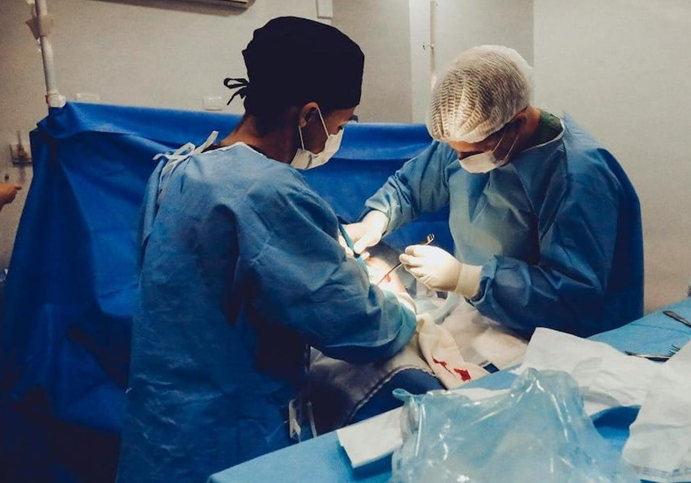
Healthcare System India: There have been numerous cases in India where negligence has cost patients their lives. Let us explain why even simple surgeries are becoming fatal.

What problems can occur after surgery?
Medical Negligence In Hospitals India: A 34-year-old woman from Jaipur had an accident during delivery that exposed the risks of even a routine surgery. After spinal anesthesia for a C-section, she became paralyzed from the waist down. An MRI revealed a rare bleeding in her spinal cord, which was putting pressure on the nerves. A team of neurosurgeons from Mahatma Gandhi University of Medical Sciences and Technology, including Dr. Anmol Singh Randhawa, performed surgery and removed the blood clot. This case was also mentioned in Surgical Neurology International in 2025. After about three months, the woman gradually recovered and was no longer dependent on a wheelchair.
However, not every patient is so fortunate. According to a TOI report, Dr. Prashant Kumar, a surgeon at PSRI Hospital in Delhi, says that if complications are not identified in time or proper treatment is not provided, even simple surgeries can be fatal. While there are no national statistics on post-surgery complications in India, several studies raise concerns. A 2021 study published in the Indian Journal of Critical Care Medicine, conducted at Tata Memorial Hospital in Mumbai, NIMHANS in Bengaluru, and CIMS in Ahmedabad, found that 27.5 percent of patients experienced complications after surgery, compared to the global average of 19.8 percent.
Why do problems occur?
According to doctors, infections, heart problems, and kidney failure are common complications. The Association of Surgeons of India has already highlighted the need for strict protocols, but many shortcomings remain on the ground. Senior orthopedic surgeon Dr. George Thomas says that adopting international standards is essential, but this could increase costs.
The problem of negligence
There's no shortage of cases of negligence. An elderly woman in Mumbai contracted hepatitis C after a hysterectomy in 2007, possibly due to unclean instruments. The court deemed this medical negligence and ordered the hospital to pay compensation. Plastic surgeon Dr. Utkarsh Srivastava explains that negligence in surgery often results from failing to follow basic rules, such as performing surgery on the wrong site, leaving instruments in the body, or failing to sterilize. In one case in Tamil Nadu, several people died due to an infection caused by unsanitary instruments.
Small mistakes can be costly.
Sometimes even small mistakes can lead to major tragedies. In Chennai, an athlete's leg had to be amputated after someone forgot to remove a tourniquet during surgery, leading to his death. In Kerala, forceps were found in a woman's body five years after her operation. Doctors say pressure on the system is also a factor. According to Dr. K. Senthil of the Tamil Nadu Government Doctors Association, doctors in government hospitals are overworked, and resources are limited.
What do experts say?
Experts also point out that nowadays, diseases like diabetes, high blood pressure, and obesity complicate surgery. According to Dr. Jalil D. Parker of Lilavati Hospital, even minor surgeries are not completely risk-free. Doctors advise strict adherence to pre- and post-surgery protocols. Patients should provide their complete medical history, and hospitals should adopt WHO surgical safety guidelines.