NEWS
Power Bank Safety Tips: Stop Using Your Power Bank Immediately If You Notice These Warning Signs
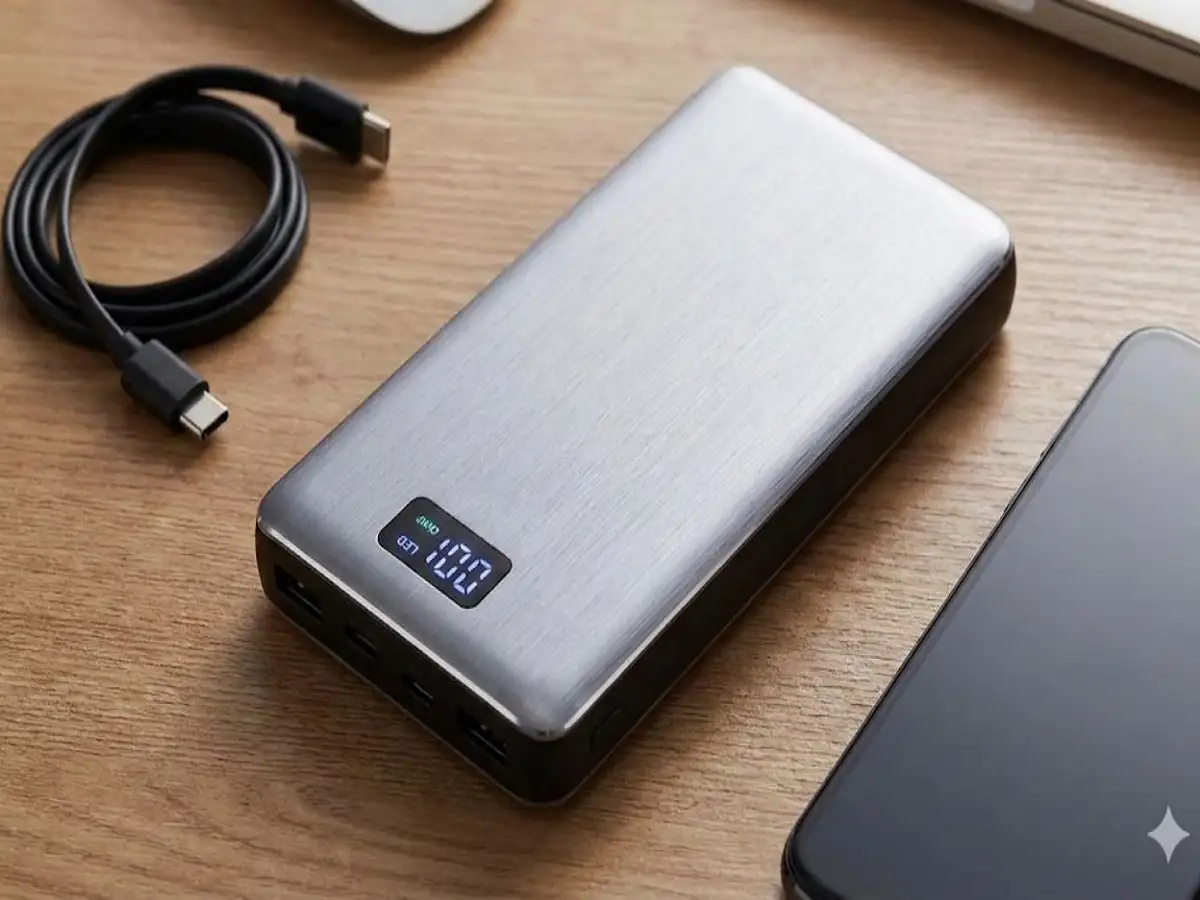
Power Bank Tips: Power banks have become essential accessories for keeping smartphones, tablets, earbuds, and other portable devices charged throughout the day. Most power banks use lithium-ion batteries, which gradually degrade over time instead of failing suddenly. Before a battery becomes unsafe, it usually shows several warning signs that should never be ignored.
Recognizing these early indicators can help prevent battery failure and reduce the risk of overheating, fire, or permanent damage to your devices. Here are the key signs that indicate it's time to stop using your power bank and replace it.
1. A Swollen Battery Is the Most Serious Warning Sign
A bulging or swollen power bank is one of the clearest indicators that the internal battery has deteriorated.
As lithium-ion batteries age or become damaged, chemical reactions inside the cells can produce gas, causing the battery to expand.
If you notice that your power bank appears swollen or its casing is bulging:
- Stop using it immediately.
- Do not continue charging or discharging it.
- Never attempt to puncture or open the casing to release the gas.
- Replace the device as soon as possible.
Using a swollen battery can significantly increase the risk of overheating, leakage, or fire.
2. Excessive Heat During Use or Charging
It is normal for a power bank to become slightly warm while charging itself or powering another device. However, excessive heat is not normal and may indicate a serious internal problem.
Warning signs include:
- Becoming unusually hot even when not in use.
- Overheating while charging or discharging.
- Reaching temperatures that make it uncomfortable to hold.
- Remaining hot long after charging has finished.
Persistent overheating may point to battery failure or a malfunction in the internal protection circuitry, making continued use unsafe.
3. Burning or Chemical Smell
A strange odor coming from a power bank should never be ignored.
A burning or chemical smell may indicate:
- Internal battery leakage.
- Damaged insulation.
- An electrical short circuit.
- Failure of internal battery components.
If you detect any unusual smell:
- Disconnect the power bank immediately.
- Move it away from flammable materials if it is safe to do so.
- Do not attempt to continue using or charging it.
- Replace the unit rather than trying to repair it.
Ignoring this warning could increase the risk of battery failure.
4. Cracks, Dents, or Visible Physical Damage
External damage can compromise the safety of a lithium-ion battery, even if the power bank still appears to function normally.
Inspect your power bank regularly for:
- Cracked casing.
- Deep dents.
- Signs of impact after being dropped.
- Damage near the battery compartment.
- Loose or damaged charging ports.
If the device begins heating unusually after being dropped or physically damaged, discontinue its use immediately.
5. Unusual Charging Performance
A failing battery often starts behaving unpredictably before it stops working completely.
Common symptoms include:
- Battery draining much faster than before.
- Charging connected devices for only a short period.
- Power turning on and off repeatedly.
- Charging interruptions or inconsistent performance.
- Difficulty reaching a full charge.
These signs generally indicate that the battery has reached the end of its useful life and should be replaced.
How to Extend the Life of Your Power Bank
Proper care can help improve both battery performance and safety.
Experts recommend:
- Avoid exposing the power bank to extreme heat or direct sunlight.
- Use the original or certified charging cable whenever possible.
- Do not leave it plugged in continuously after it is fully charged.
- Store it in a cool, dry location when not in use.
- Avoid dropping or placing heavy objects on it.
- Recharge it periodically if it will remain unused for several months.
Following these practices can help maximize battery lifespan and reduce the likelihood of safety issues.
When Should You Replace a Power Bank?
Even if there are no visible warning signs, power banks do not last forever.
You should consider replacing your power bank if:
- It is several years old and battery capacity has dropped significantly.
- It overheats frequently.
- Charging has become unreliable.
- Physical damage is visible.
- Any swelling, leakage, or unusual odor develops.
Replacing an aging or damaged power bank is generally safer than continuing to use a battery that may fail unexpectedly.
Final Take
Power banks are convenient everyday accessories, but like all lithium-ion battery devices, they require regular attention. A swollen battery, excessive heat, unusual odors, physical damage, or inconsistent charging are all important warning signs that should not be ignored. If you notice any of these issues, stop using the power bank immediately and replace it with a certified, high-quality model to ensure both your safety and the protection of your electronic devices.