LIFESTYLE
Pneumonia Risk in Winter 2026: Early Warning Signs, High-Risk Groups and Essential Prevention Tips
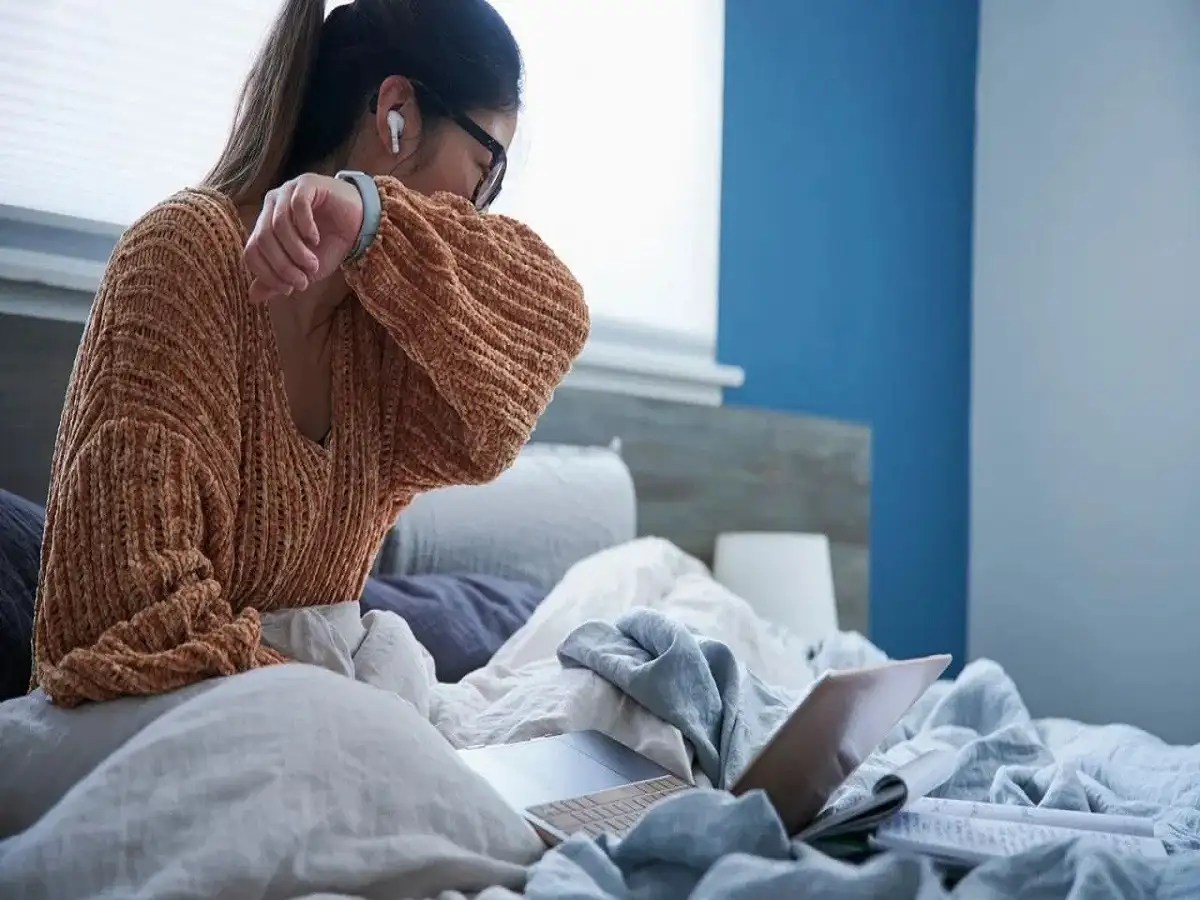
Winter Health Alert 2026: As temperatures begin to fall across India following the Diwali celebrations, health experts are drawing attention to respiratory infections, particularly pneumonia. The combination of colder weather, rising air pollution and increased indoor gatherings can create conditions that favour the spread of respiratory infections. Although pneumonia may initially resemble a common cold or seasonal flu, it can sometimes develop into a serious illness requiring hospital treatment.
Young children, older adults and people with underlying medical conditions are particularly vulnerable to severe complications. Recognising symptoms early, maintaining good respiratory hygiene and receiving recommended vaccinations can help reduce the risks associated with pneumonia.
Here is what families should understand about pneumonia, its warning signs, the impact of winter pollution and practical ways to protect themselves.
What Is Pneumonia and Why Is It Dangerous?
Pneumonia is an infection that causes inflammation in the air sacs of one or both lungs. These air sacs, known as alveoli, may fill with fluid or inflammatory material, making it difficult for oxygen to pass into the bloodstream.
The infection can be caused by bacteria, viruses and, less commonly, fungi.
Symptoms may range from mild respiratory discomfort to severe breathing difficulties. In serious cases, patients may require hospitalisation, oxygen support or intensive medical care.
Pneumonia remains a significant public health concern in India, especially among young children and vulnerable adults.
The original report cites an estimate of approximately 40 lakh community-acquired pneumonia cases annually in India. However, this figure should be treated as a historical estimate rather than a verified count for 2026.
Community-acquired pneumonia refers to an infection that develops outside hospitals or other healthcare facilities.
Why Can Pneumonia Become More Common During Winter?
Cold weather does not directly cause pneumonia. The disease develops when infectious microorganisms affect the lungs.
However, seasonal changes can influence how respiratory infections spread.
During colder months, people often spend more time indoors, sometimes in crowded spaces with limited ventilation. This can increase exposure to infectious respiratory droplets and airborne particles.
Several respiratory viruses also circulate more actively during particular seasons.
Additionally, exposure to cold, dry air may irritate sensitive airways in some individuals.
These factors can contribute to respiratory illness, although the relationship between temperature and pneumonia varies according to location, infection type and individual health.
How Air Pollution Can Affect Lung Health
Air pollution is another important concern during the winter months, particularly in cities experiencing poor air quality.
Fine particulate matter, including PM2.5, can travel deep into the respiratory system.
Exposure to polluted air can irritate the airways, contribute to inflammation and interfere with some of the lungs' natural defence mechanisms.
Research has linked air pollution exposure with an increased risk of respiratory infections and other lung-related health problems.
Smoke from vehicles, industrial emissions, construction dust and burning activities can contribute to poor air quality.
People with asthma, chronic obstructive pulmonary disease or other respiratory conditions may experience additional difficulties during periods of elevated pollution.
Reducing exposure to polluted air is therefore an important part of protecting respiratory health.
Early Symptoms of Pneumonia You Should Never Ignore
Pneumonia symptoms can sometimes resemble those of influenza, bronchitis or a common respiratory infection.
However, certain warning signs require medical attention.
Common symptoms include:
- Persistent cough, sometimes accompanied by mucus.
- Fever, chills or sweating.
- Difficulty breathing or shortness of breath.
- Chest discomfort, particularly while breathing deeply or coughing.
- Unusual tiredness or weakness.
- Faster breathing than normal.
- Reduced appetite or difficulty maintaining normal activities.
Symptoms may develop gradually or appear suddenly, depending on the cause of infection.
Older adults may not always develop a high fever. Some may instead experience unusual confusion, weakness or a sudden decline in their ability to perform everyday activities.
Young children may show rapid breathing, poor feeding, unusual sleepiness or increased irritability.
Severe breathing difficulty, blue or grey lips, marked confusion, fainting or difficulty waking someone are medical emergencies. Seek immediate emergency care rather than waiting for symptoms to improve.
Who Faces the Highest Risk of Severe Pneumonia?
Although pneumonia can affect people of any age, certain groups have a greater risk of serious illness.
Children Under Five
Young children have developing immune systems and smaller airways, making them particularly vulnerable to respiratory infections.
Parents should monitor fever, breathing patterns, feeding habits and activity levels.
Older Adults
Age-related changes in immunity and the presence of chronic illnesses can increase the likelihood of severe complications.
Older adults may also experience less typical symptoms, making early recognition particularly important.
People With Chronic Medical Conditions
Individuals living with diabetes, chronic lung disease, heart disease or conditions that weaken immunity may face a higher risk of complications.
Smokers
Smoking damages the respiratory system and weakens several mechanisms that help the lungs clear harmful particles and infectious organisms.
Pregnant Women
Pregnancy brings changes in immune function and respiratory physiology. Certain respiratory infections can therefore become more serious during pregnancy.
Pregnant individuals experiencing persistent fever, significant coughing or breathing difficulties should seek medical advice promptly.
Why Home Remedies Are Not Enough to Treat Pneumonia
Many people initially manage coughs and colds with warm drinks, ginger tea or steam inhalation.
While certain supportive measures may temporarily ease discomfort, they cannot reliably treat pneumonia.
Pneumonia may require medical assessment, and treatment depends on the underlying cause and severity.
Bacterial pneumonia may require antibiotics prescribed by a healthcare professional. Antibiotics do not treat viral infections, although bacterial complications can sometimes occur.
Using leftover antibiotics or taking medication without proper medical advice may delay appropriate treatment and contribute to antibiotic resistance.
Steam inhalation should also be approached cautiously because hot water and steam can cause burns, especially in children.
Anyone with suspected pneumonia should obtain timely medical evaluation rather than relying solely on home remedies.
How to Reduce Pneumonia Risk During Winter
Several preventive measures can help reduce exposure to respiratory infections and support lung health.
1. Monitor local air quality: Check the Air Quality Index before planning prolonged outdoor activities, particularly during pollution episodes.
2. Reduce exposure to polluted air: On days with very poor air quality, consider limiting strenuous outdoor exercise. A properly fitted N95 respirator can help reduce exposure to airborne particles.
3. Maintain appropriate indoor ventilation: Allow fresh air into living spaces when outdoor conditions are suitable. Avoid indoor smoking and unnecessary smoke-producing activities.
4. Consider indoor air filtration: A suitable air purifier equipped with effective particle filtration may help reduce indoor particulate pollution.
5. Practise respiratory hygiene: Wash hands regularly, cover coughs and sneezes, and avoid close contact with others when experiencing symptoms of a contagious respiratory illness.
6. Maintain a balanced lifestyle: Nutritious meals, adequate sleep, regular physical activity and sufficient hydration support general health. Warm drinks may provide comfort but do not prevent pneumonia by themselves.
7. Stay up to date with vaccinations: Recommended vaccines can reduce the risk of infections that may lead to pneumonia.
Can Vaccination Help Prevent Pneumonia?
Vaccination is among the most effective strategies for preventing certain causes of pneumonia.
Pneumococcal vaccines protect against infections caused by specific types of Streptococcus pneumoniae, a bacterium responsible for some cases of pneumonia.
Influenza vaccination can reduce the risk of flu-related complications, including pneumonia.
Other recommended vaccines, including those for COVID-19 and certain childhood infections, may also help prevent respiratory illnesses that can lead to serious lung complications.
Vaccination recommendations vary according to age, medical history, previous immunisation and national health guidelines.
Parents, older adults and people with chronic illnesses should discuss appropriate vaccination schedules with a qualified healthcare professional.
Special Precautions for Children and Elderly Family Members
Families should pay particular attention to young children and older relatives during periods of increased respiratory illness.
In children, warning signs may include rapid breathing, difficulty feeding, unusual drowsiness or the chest pulling inward during breathing.
For older adults, sudden confusion, reduced appetite, unusual weakness or difficulty breathing may indicate a serious health problem even without a prominent cough.
These symptoms should not be dismissed as ordinary winter discomfort.
Early medical assessment can help identify pneumonia and other potentially serious illnesses before complications develop.
Final Takeaway
As winter approaches, respiratory health deserves greater attention, particularly in areas experiencing significant air pollution.
Pneumonia is not simply a severe cold. It is a potentially serious lung infection that can affect people of all ages, with young children, older adults and individuals with underlying health conditions facing greater risks.
Recognising warning signs, reducing exposure to smoke and pollution, maintaining good hygiene and receiving recommended vaccinations can help lower the risk of infection and serious complications.
Most importantly, persistent or worsening respiratory symptoms should be assessed by a healthcare professional. Prompt diagnosis and appropriate treatment can make a significant difference in recovery.
Medical Disclaimer: This article is intended for general health awareness and should not replace professional medical advice, diagnosis or treatment. Seek immediate medical attention for severe breathing difficulties or other emergency symptoms.