Business
Bank Cash Withdrawal Rules 2026: Received Extra Money at the Counter? Know What to Do and Legal Risks
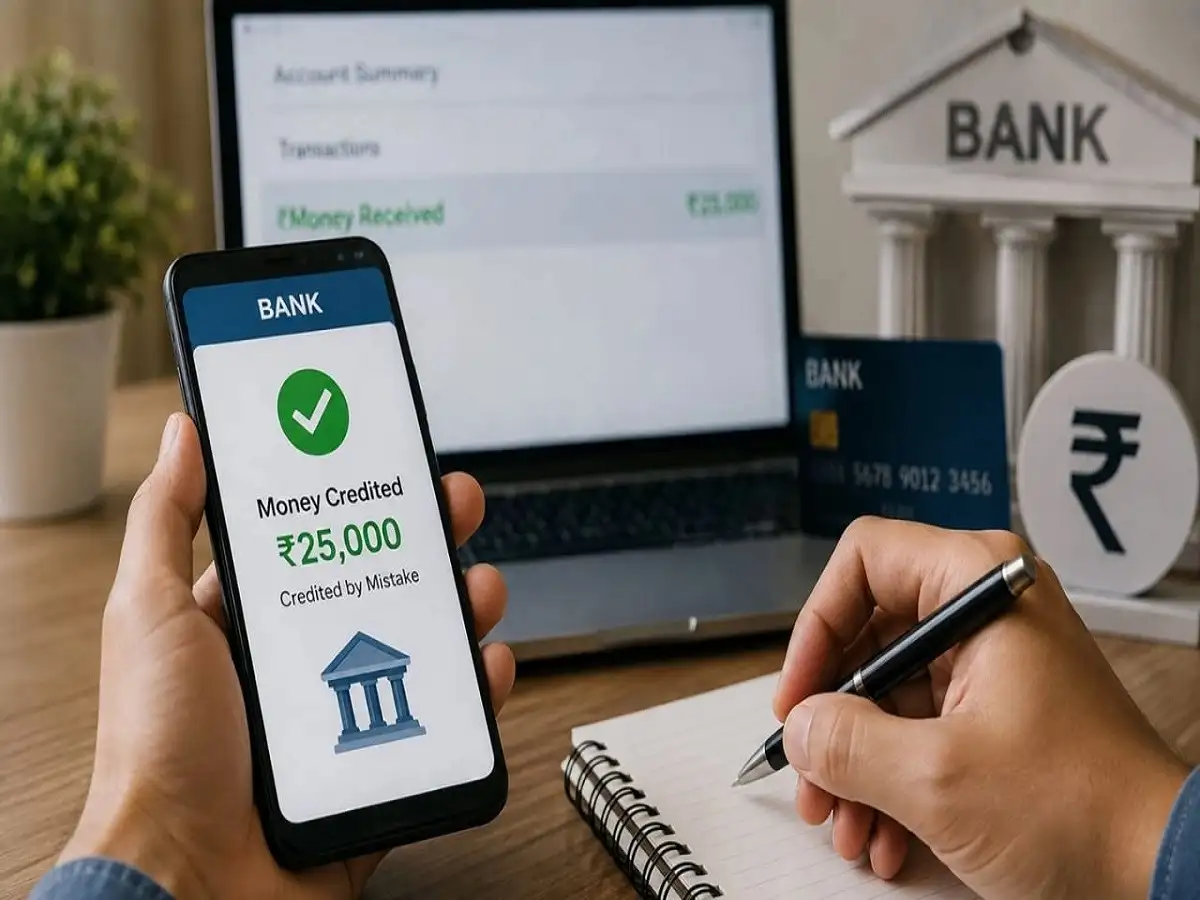
Banking Tips 2026: Withdrawing cash from a bank branch is a routine financial transaction. However, mistakes can occasionally occur when a cashier counts and hands over currency notes. In some situations, a customer may receive more money than the amount requested.
While the mistake may initially seem beneficial, knowingly keeping cash that was handed over in error can lead to disputes and potentially serious legal consequences.
Banks maintain transaction records and regularly reconcile cash balances to identify discrepancies. If an excess payment is discovered, the branch may investigate the transaction and contact the customer.
The safest approach is to count the cash immediately, inform the cashier about any excess amount and obtain written acknowledgement when returning it.
Here is a detailed explanation of what customers should do if they accidentally receive extra cash from a bank counter.
1. Always Count Your Cash Before Leaving the Bank Counter
Whenever you withdraw money from a bank branch, count the currency notes carefully before leaving the counter.
Even when banks use currency-counting machines and internal verification procedures, human errors can occasionally occur.
Suppose you withdraw ₹20,000, but the cashier mistakenly hands over ₹22,000.
The additional ₹2,000 does not automatically become your money simply because it was given to you.
If you discover the discrepancy while standing at the counter, immediately inform the cashier.
Ask the bank employee to verify the transaction and confirm the correct amount.
Returning the excess cash promptly can help resolve the matter before it becomes a larger issue.
Customers should also check whether the currency notes are in good condition and whether the amount matches the withdrawal slip or transaction record.
2. What Happens If a Bank Gives You More Cash Than Requested?
Banks follow internal procedures to monitor cash transactions and reconcile balances.
At the end of a working period or during scheduled verification, bank officials may compare the physical cash available with the amounts recorded in their systems.
If the cash balance is lower than expected, the bank may investigate possible reasons.
These could include counting mistakes, recording errors or incorrect cash payments.
Where appropriate, officials may review transaction records, withdrawal documents and available CCTV footage.
If the discrepancy can be linked to a particular transaction, the bank may contact the customer and request clarification.
However, identifying the exact cause of a cash shortage depends on the available evidence.
A shortage alone does not establish that a particular customer received extra money.
3. Can You Face Legal Action for Keeping Extra Bank Cash?
Indian law distinguishes between receiving property by mistake and dishonestly keeping or using property belonging to someone else.
The Bharatiya Nyaya Sanhita, 2023, contains provisions relating to dishonest misappropriation of property.
Section 314 of the BNS addresses dishonest misappropriation or conversion of movable property for one's own use.
Depending on the facts, knowingly retaining money received by mistake and dishonestly treating it as one's own may raise legal concerns.
However, simply receiving extra cash accidentally does not automatically establish a criminal offence.
Questions such as when the customer discovered the mistake, what actions followed and whether dishonest intention can be established are important.
The application of any criminal provision depends on the evidence and the circumstances of the case.
Customers should therefore avoid assuming that a cashier's mistake gives them a legal right to retain the additional money.
4. What If You Discover the Extra Money After Reaching Home?
Sometimes customers do not count their cash at the bank.
They may place the money in a wallet or bag and discover the discrepancy only after reaching home.
If this happens, there is no need to panic.
First, recount the money carefully and compare it with the amount withdrawn.
Check the withdrawal slip, account statement or transaction notification.
If you confirm that you received more money than requested, contact the bank branch promptly.
Explain the situation and ask how the excess amount should be returned.
If the branch is open, you can visit it and speak with the cashier or branch manager.
If the bank has closed for the day, contact its official customer-support channel if available and arrange to return the money at the earliest practical opportunity.
Documenting the time and details of your communication may be useful.
5. How to Return Extra Money Safely
When returning excess cash, follow a transparent process.
Visit the bank branch where the original transaction occurred, unless the bank provides another verified procedure.
Inform the cashier or branch manager about the discrepancy.
Provide the relevant transaction details so the bank can verify the withdrawal.
Hand over the additional cash only through an authorised bank procedure.
Most importantly, request a written acknowledgement of the returned amount.
The acknowledgement should ideally mention the amount, date and relevant transaction reference.
Keep a copy of the document for your records.
Avoid handing money to an unidentified person claiming to represent the bank.
If someone contacts you by telephone asking for the excess amount, verify the request independently through the bank's official contact details.
6. Why Is a Written Receipt Important?
A receipt or acknowledgement can help demonstrate that you returned the additional cash.
This may be useful if questions arise later about the transaction.
For example, suppose a customer receives ₹5,000 more than the requested withdrawal and returns it to the bank.
Without written confirmation, it may become difficult to establish when and how the amount was returned.
A properly issued acknowledgement helps create a record for both the customer and the bank.
Customers should verify that the amount mentioned in the acknowledgement matches the money handed back.
If the bank does not immediately provide a receipt, request a written confirmation through an official channel.
7. What Should You Do If the Bank Contacts You About a Cash Shortage?
If bank officials contact you claiming that excess cash was paid during a withdrawal, respond calmly.
Ask for the date, amount and transaction reference.
Check your own records and recall whether the amount received matched the withdrawal request.
If you still have the cash or can confirm the discrepancy, arrange to return the excess amount through an authorised process.
If you disagree with the bank's claim, request clarification and supporting information.
Do not make payments based solely on an unsolicited telephone call or message.
Fraudsters sometimes impersonate bank officials to obtain money or sensitive information.
Never disclose your ATM PIN, UPI PIN, OTP, internet banking password or card security code.
If the matter remains unresolved, communicate with the branch manager through official channels.
8. Can the Bank Recover Money Paid by Mistake?
Money paid by mistake may give rise to a repayment obligation under applicable civil law.
Section 72 of the Indian Contract Act, 1872, provides for repayment or return where money has been paid or something delivered by mistake or under coercion.
The precise legal position in an individual case depends on the facts.
A bank may seek the return of an excess cash payment and may pursue appropriate remedies if the matter is disputed.
However, the bank must establish the relevant facts rather than treating every cash shortage as proof of overpayment to a customer.
Customers should seek legal advice if they face a contested recovery demand or allegations of wrongdoing.
9. What If the Cashier Gives You Less Money?
The opposite situation can also occur.
A customer may withdraw a certain amount but receive fewer notes than expected.
For example, a withdrawal request may be for ₹30,000, while the customer receives only ₹29,000.
If you notice the shortage immediately, inform the cashier before leaving the counter.
Ask the bank employee to recount the cash and verify the transaction.
If you discover the shortage later, contact the branch promptly and provide the transaction details.
The bank may review relevant records and available evidence.
This is another reason why counting cash before leaving the counter is a valuable precaution.
10. Important Banking Precautions for Cash Withdrawals
Customers can reduce the risk of disputes by following a few basic practices.
- Count all currency notes before leaving the bank counter.
- Compare the cash received with the withdrawal amount.
- Keep withdrawal slips and relevant transaction records.
- Immediately report any excess or shortage.
- Return excess cash through an authorised bank employee.
- Obtain written confirmation when handing back money.
- Never share banking passwords, OTPs or PINs with anyone claiming to investigate a cash discrepancy.
- Preserve records of communications with the bank.
These precautions can help customers resolve genuine mistakes and protect themselves from misunderstandings or fraud.
Final Takeaway
Receiving extra money at a bank counter may appear to be a small mistake, but knowingly keeping cash that does not belong to you can create legal and financial complications.
Customers should count their money carefully and immediately inform the cashier if the amount exceeds the requested withdrawal.
If the discrepancy is discovered after leaving the bank, contact the branch promptly and arrange to return the additional cash.
Always obtain a written acknowledgement when returning money, and use only verified banking channels.
Taking these simple steps can help prevent disputes and ensure that accidental cash-handling errors are resolved responsibly.
Legal Disclaimer: This article provides general information and is not legal advice. The application of the Bharatiya Nyaya Sanhita and other laws depends on the circumstances of each case. Customers facing a dispute should seek appropriate professional guidance.