Business
Petrol Diesel Price November 12, 2026: Crude Oil Rebounds, Check Fuel Rates in Delhi, Mumbai and Other Cities
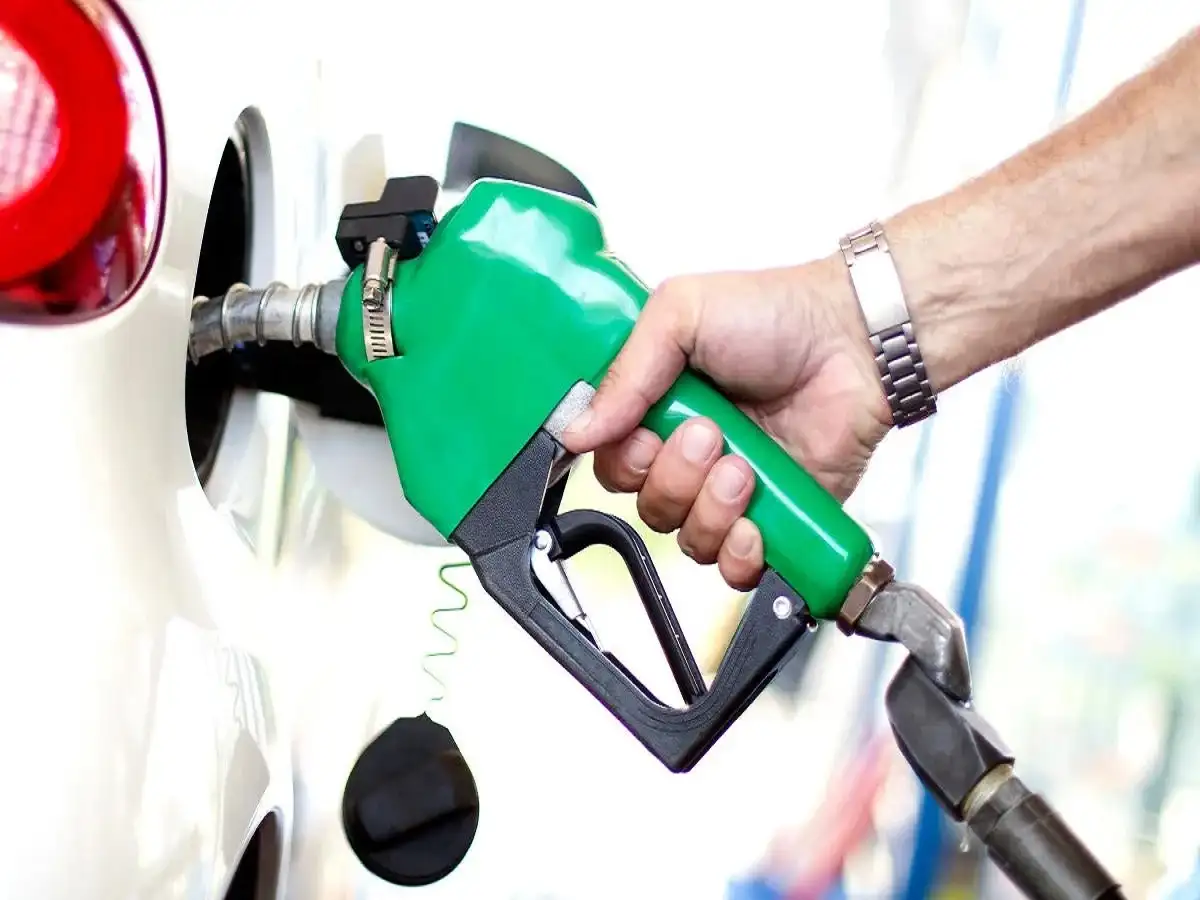
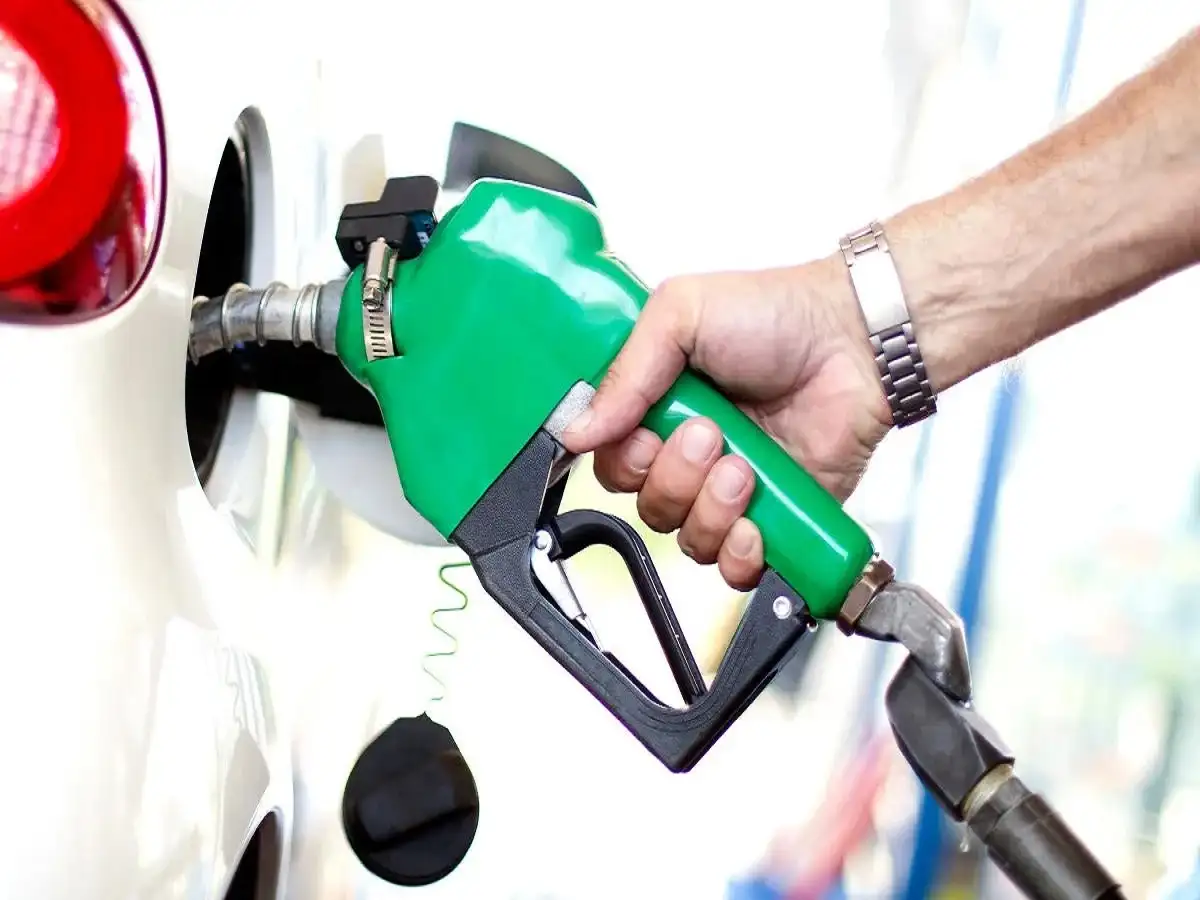
Petrol and Diesel Price Today, November 12, 2026: International crude oil prices have witnessed a modest recovery, with both Brent crude and West Texas Intermediate (WTI) recording gains in the global market. However, despite the upward movement, oil prices remain under pressure amid geopolitical uncertainty and changing expectations about global energy supplies.
According to a report published on November 12, 2026, petrol and diesel prices in major Indian cities remained unchanged, even as international crude oil benchmarks moved higher.
India depends heavily on imported crude oil to meet its energy requirements. Therefore, developments in global oil markets are closely monitored by consumers, businesses and policymakers.
Here is a detailed look at the reported petrol and diesel prices, international crude oil movements and factors that could influence fuel rates in the coming days.
Crude Oil Price Today: Brent and WTI Record Gains
The international oil market has experienced a slight recovery following a period of price weakness.
According to the figures mentioned in the source report, both major crude oil benchmarks moved higher.
| Crude Oil Benchmark | Reported Price | Reported Change |
|---|---|---|
| WTI Crude Oil | $86.519 per barrel | Up 0.56% |
| Brent Crude Oil | $92.397 per barrel | Up approximately 1% |
West Texas Intermediate is an important benchmark for crude oil traded in the United States, while Brent crude is widely used as a reference for international oil pricing.
Although both benchmarks registered gains, the report indicates that crude prices were still trading near their lowest levels in approximately ten weeks.
This suggests that the latest increase represents a partial recovery rather than clear evidence of a sustained upward trend.
Note: These crude oil figures are reproduced from the November 12 source report and have not been independently verified against live market quotations.
Petrol and Diesel Prices in Major Indian Cities
The report states that retail petrol and diesel rates remained stable across several major cities.
Here are the city-wise prices quoted in the article.
| City | Petrol Price (Per Litre) | Diesel Price (Per Litre) |
|---|---|---|
| New Delhi | ₹102.12 | ₹95.20 |
| Kolkata | ₹113.51 | ₹99.82 |
| Mumbai | ₹111.21 | ₹97.83 |
| Chennai | ₹107.76 | ₹99.55 |
| Gurugram | ₹102.97 | ₹95.64 |
| Noida | ₹101.96 | ₹95.44 |
These figures are based on the supplied publication and should not be treated as independently confirmed live pump prices.
Fuel rates can vary by location, and motorists should verify the applicable price through an authorised oil marketing company or petrol pump before refuelling.
Why Are Petrol and Diesel Prices Different Across Cities?
Petrol and diesel prices are not uniform throughout India.
Several factors influence the final retail price paid by motorists.
These include the cost of fuel supplied by oil marketing companies, central excise duties, state-level value-added tax or other applicable levies, dealer commissions and transportation expenses.
State taxes are particularly important because different states can impose different tax rates.
As a result, petrol and diesel may cost more in one city than in another, even when international crude oil prices remain unchanged.
Local transportation and distribution costs can also contribute to smaller price differences between locations.
This is why consumers should check the fuel rate applicable to their own city rather than relying on a national average.
US-Iran Diplomatic Developments in Focus
The source report links recent oil-market movements to expectations surrounding diplomatic engagement between the United States and Iran.
According to the report, discussions about the possibility of reducing tensions have attracted attention from international energy markets.
It also refers to comments attributed to US President Donald Trump concerning the possibility of easing the ongoing conflict.
However, the diplomatic developments described in the source have not been independently verified for this rewrite.
In general, any credible progress toward reducing tensions in the Middle East can influence market expectations about the security of oil supplies.
Conversely, renewed hostilities or restrictions on energy transportation can increase uncertainty.
Traders therefore monitor diplomatic announcements, sanctions policy and regional security developments when assessing potential supply risks.
Why Is the Strait of Hormuz Important for Oil Prices?
The Strait of Hormuz is one of the world's most strategically important maritime routes for energy transportation.
It connects the Persian Gulf with the Gulf of Oman and provides a passage for oil and other energy shipments.
Any disruption affecting commercial shipping in this region can influence international oil markets.
Concerns about attacks on vessels, restrictions on shipping or escalating military tensions may lead traders to reassess the risks associated with oil deliveries.
Even when physical supplies remain available, uncertainty can contribute to price volatility.
On the other hand, improved security conditions and uninterrupted shipping can help reduce some of the pressure on global energy markets.
The actual impact on prices depends on the scale and duration of any disruption, along with the availability of alternative supplies.
How Do International Crude Oil Prices Affect India?
India imports a substantial proportion of the crude oil it consumes.
This makes the country sensitive to international oil prices and foreign exchange movements.
When crude oil becomes more expensive, the cost of importing petroleum can increase.
A weaker rupee against the US dollar may add to the import bill because international oil transactions are commonly priced in dollars.
However, a rise in crude oil prices does not necessarily lead to an immediate increase in petrol and diesel prices at Indian fuel stations.
Retail prices are also influenced by taxation, pricing decisions, supply arrangements and other domestic factors.
Similarly, a decline in international crude prices does not guarantee an immediate reduction in retail fuel rates.
Consumers should therefore avoid assuming that every movement in Brent or WTI prices will be reflected directly at the petrol pump.
How Higher Fuel Prices Affect Household Budgets
Petrol and diesel are important expenses for millions of households and businesses.
Petrol is commonly used by private car and two-wheeler owners, while diesel plays a significant role in transportation, logistics, agriculture and commercial operations.
When fuel prices increase, households may need to allocate more money toward commuting.
For example, a motorist purchasing 40 litres of petrol per month would spend an additional ₹80 if the price increased by ₹2 per litre.
The effect can be more substantial for individuals who travel long distances every day.
Higher diesel costs can also affect freight transportation expenses.
However, whether those costs lead to higher retail prices for goods depends on several factors, including business margins, competition and supply-chain conditions.
Why Can Crude Oil Prices Remain Volatile?
International crude oil prices are influenced by both supply and demand.
Geopolitical tensions are only one part of the picture.
Oil prices may also respond to changes in global economic growth expectations, industrial activity, inventories, production decisions and seasonal demand.
Production policies adopted by major oil-exporting countries can influence the amount of crude available in the market.
Similarly, economic slowdowns may reduce expectations for fuel consumption.
Currency movements and financial-market sentiment can also contribute to short-term fluctuations.
For these reasons, a single day's increase or decrease does not necessarily establish the direction of oil prices over the following weeks.
How to Check the Latest Petrol and Diesel Prices
Motorists can check fuel prices through the official websites and digital services of major Indian oil marketing companies.
These include:
- Indian Oil Corporation: https://iocl.com/
- Bharat Petroleum: https://www.bharatpetroleum.in/
- Hindustan Petroleum: https://www.hindustanpetroleum.com/
Consumers can also check the displayed price at an authorised petrol pump before filling their vehicle.
Since petrol and diesel rates may differ by city and outlet location, it is advisable to confirm the latest local rate.
What Could Happen to Fuel Prices in the Coming Days?
The future direction of international crude oil prices will depend on several developments.
Market participants are likely to monitor geopolitical tensions in the Middle East, any progress in diplomatic discussions, oil production levels and global demand conditions.
If supply concerns ease, international crude prices may face downward pressure.
However, renewed geopolitical risks or stronger demand could support higher prices.
For India, changes in international crude oil prices and the rupee-dollar exchange rate will remain important factors.
Nevertheless, the timing and extent of any change in domestic petrol and diesel rates cannot be predicted solely from international crude movements.
Final Takeaway
The November 12, 2026 report indicates that Brent crude and WTI prices recovered modestly, even as global oil markets continued to face uncertainty.
The report also states that petrol and diesel prices remained unchanged in several major Indian cities.
While movements in international crude oil prices can affect India's import costs, retail fuel prices depend on multiple domestic and international factors.
Consumers planning to refuel should check the latest city-specific petrol and diesel rates through official oil marketing company channels before visiting a fuel station.
Disclaimer: The fuel and crude oil prices quoted in this article are taken from the supplied source and have not been independently verified. Prices and market conditions can change. Readers should consult official fuel retailers and reliable market sources for current rates.