LIFESTYLE
India's First Sunrise Village: Explore Dong Valley in Arunachal Pradesh, Where Dawn Arrives Remarkably Early
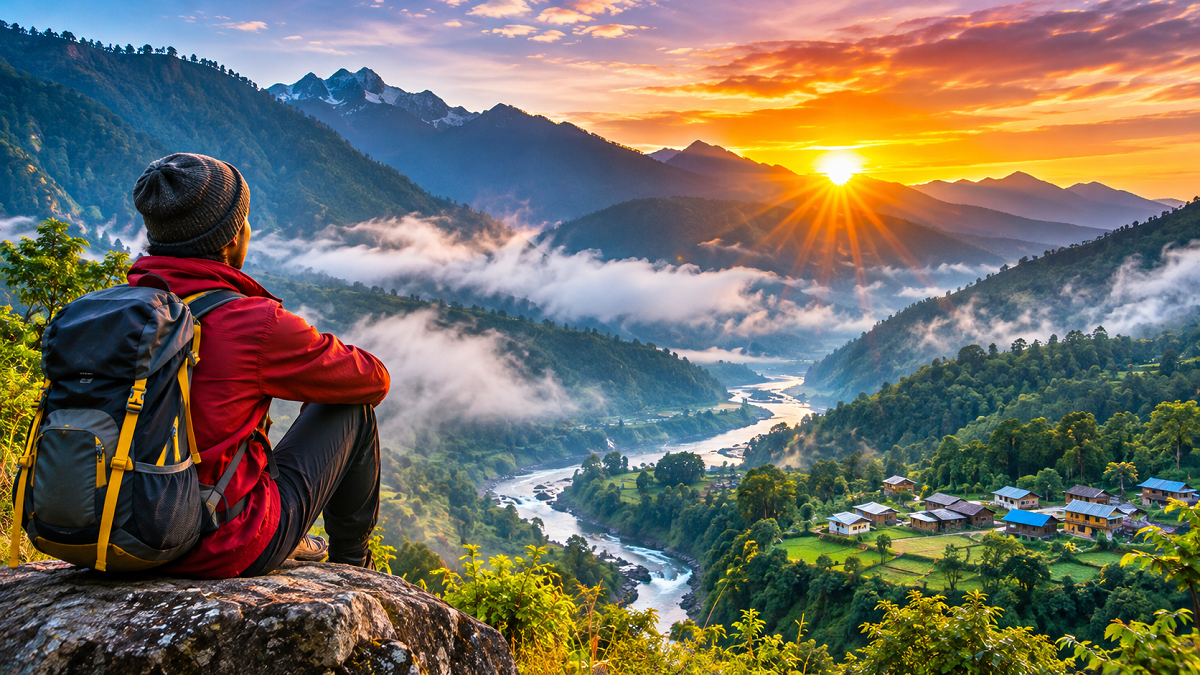
Dong Valley Travel Guide 2026: Imagine standing on a peaceful mountain ridge while most of India is still asleep, watching the first golden rays of sunlight illuminate mist-covered valleys and distant Himalayan peaks. This extraordinary experience awaits travellers in Dong Valley, a remote destination in Arunachal Pradesh celebrated for witnessing one of India's earliest sunrises.
Located in Anjaw district, close to India's eastern frontier, Dong Valley has become an increasingly interesting destination for nature lovers, photographers, trekkers and travellers searching for places beyond conventional tourist routes.
During certain times of the year, sunrise in this region can occur around 4:30 AM Indian Standard Time, with early dawn beginning even sooner. The exact timing varies with the season and the observation point.
Surrounded by mountains, forests, rivers and small settlements, the valley offers an opportunity to experience the natural beauty and distinctive geography of northeastern India.
Dong Valley: The Place Famous for India's Earliest Sunrise
Dong is a small village in the eastern Himalayan region of Arunachal Pradesh, near the India-China-Myanmar border area.
The village is widely recognised as one of the first inhabited places in India to receive sunlight each morning.
Its geographical position near the country's eastern edge means that daylight arrives considerably earlier than in western parts of India, even though the entire country follows the same official time zone.
Dong gained national attention in 1999 for its association with India's earliest sunrise.
Today, the destination attracts visitors who want to witness the morning sun appearing above the surrounding mountains.
Unlike crowded hill stations, Dong Valley offers a relatively quiet atmosphere, with limited commercial development and an emphasis on natural scenery.
Why Does the Sun Rise So Early in Dong Valley?
India follows Indian Standard Time (IST), which is based on a single standard meridian.
However, the country extends across a considerable distance from east to west.
Because Earth rotates from west to east, places farther east generally experience sunrise earlier by the clock than locations farther west.
Dong Valley's eastern location explains why daylight can appear there while many cities across India remain dark.
However, the claim that bright sunlight always appears at exactly 4 AM is misleading.
Sunrise depends on the date, geographical coordinates, elevation and surrounding mountain horizon.
Visitors should check the sunrise time for their travel date rather than relying on a fixed hour.
Best Time to Visit Dong Valley for Sunrise Views
Choosing the right season is important because weather conditions can significantly affect visibility and trekking comfort.
October to February: Clear Skies and Winter Landscapes
The cooler months are often preferred by travellers seeking crisp mountain views and dramatic sunrise photography.
During this period, the surrounding peaks may offer spectacular scenery, particularly when snow is visible at higher elevations.
However, temperatures can become extremely cold, especially before sunrise.
Travellers should carry warm jackets, gloves and suitable footwear.
Weather conditions can also change rapidly in mountainous terrain.
March to April: Pleasant Weather and Spring Scenery
Spring can be another attractive time to explore Dong Valley.
The landscape becomes greener, and seasonal vegetation adds colour to the surrounding hills.
Temperatures may be more comfortable for outdoor activities than during the coldest winter months.
This period can appeal to travellers who prefer trekking and sightseeing without extreme winter conditions.
The monsoon season may bring heavy rainfall, slippery trails and road disruptions, so visitors should check local travel advisories before planning a trip.
Top Places to Visit Near Dong Valley
Apart from the famous sunrise viewpoint, the surrounding Walong region offers several interesting attractions.
1. Walong War Memorial
The Walong War Memorial commemorates Indian soldiers who fought during the 1962 India-China war.
It is an important destination for visitors interested in India's military history and the sacrifices made by soldiers defending the country's borders.
2. Helmet Top
Helmet Top is known for its mountain scenery and historical associations with the 1962 conflict.
The elevated surroundings provide impressive views of the rugged Himalayan landscape.
Access may be subject to local security and road restrictions.
3. Tilalam Hot Water Spring
Tilalam Hot Water Spring is a natural attraction in the Walong region.
Visitors interested in exploring the area's natural features can consider including it in their itinerary, subject to accessibility and local guidance.
4. Lohit River
The Lohit River is one of the region's most striking natural features.
Its flowing waters, forested surroundings and mountain scenery create excellent opportunities for landscape photography.
How to Reach Dong Valley in Arunachal Pradesh
Dong Valley is located in a remote mountainous region, so travelling there requires careful preparation.
By Air: Dibrugarh Airport in Assam is a practical major airport for travellers heading towards eastern Arunachal Pradesh. From Dibrugarh, visitors can arrange onward road transport towards Walong.
By Train: New Tinsukia Junction in Assam is a useful railway access point. Travellers can continue by hired taxi or other available road transport.
By Road: Walong serves as the main base for visiting Dong Valley. The journey involves mountainous roads, and travel conditions can be affected by rainfall, landslides and maintenance work.
It is advisable to confirm transport arrangements, road conditions and accommodation availability before departure.
How to Reach the Dong Valley Sunrise Viewpoint
The sunrise trek is one of the main attractions of visiting Dong.
Travellers generally begin their journey well before dawn to reach the viewpoint in time.
According to the source travel guide, visitors may need to leave Walong around 1 AM to 2 AM, depending on their route and arrangements.
The journey includes a road section of approximately 6–7 kilometres towards the trekking access area, followed by an uphill walk.
The source describes a route passing near a suspension bridge around the Sati River confluence.
The uphill trek may take approximately 90 minutes, although the actual duration depends on the starting point, weather, trail conditions and individual fitness.
Because the route can be steep and difficult to navigate in darkness, hiring an experienced local guide is strongly recommended.
Travellers should carry a reliable torch or headlamp, sturdy trekking shoes, warm clothing, drinking water and a fully charged phone.
The route details should be confirmed locally, as access arrangements and trail conditions can change.
Is an Inner Line Permit Required?
Indian citizens who are not exempt under applicable rules generally require an Inner Line Permit (ILP) to enter Arunachal Pradesh.
Travellers should apply through the authorised government system and confirm the permit requirements for the areas they intend to visit.
Foreign nationals are subject to separate permit rules.
Since Dong and Walong are located in a sensitive border region, additional restrictions or permissions may apply to particular locations.
Official information is available through the Arunachal Pradesh ILP portal.
Accommodation and Important Travel Tips
Accommodation options around Walong are relatively limited compared with major tourist destinations.
Travellers may find basic homestays and government accommodation, depending on availability and booking eligibility.
Advance arrangements are advisable, particularly during popular travel periods.
Visitors should also prepare for limited mobile connectivity, unpredictable weather and fewer commercial facilities.
Carrying sufficient cash, necessary medicines and essential supplies can help make the journey more comfortable.
Most importantly, travellers should respect local communities, environmental rules and restrictions applicable to border areas.
Final Takeaway
Dong Valley offers a remarkable travel experience for anyone interested in witnessing one of India's earliest sunrises.
Its remote Himalayan setting, peaceful surroundings and proximity to historically important destinations make it a distinctive attraction in Arunachal Pradesh.
While the region is often associated with sunrise around 4 AM, the actual time varies by season and location.
With appropriate permits, reliable local guidance and careful planning, visitors can experience the extraordinary beauty of Dong Valley and its surrounding landscapes.
Travel Advisory: Sunrise timings, trekking routes, road accessibility and permit requirements should be checked before travelling. Remote border areas may have additional restrictions.