LIFESTYLE
Kidney Stone: How dangerous is a kidney stone of what size? How large a stone requires surgery?
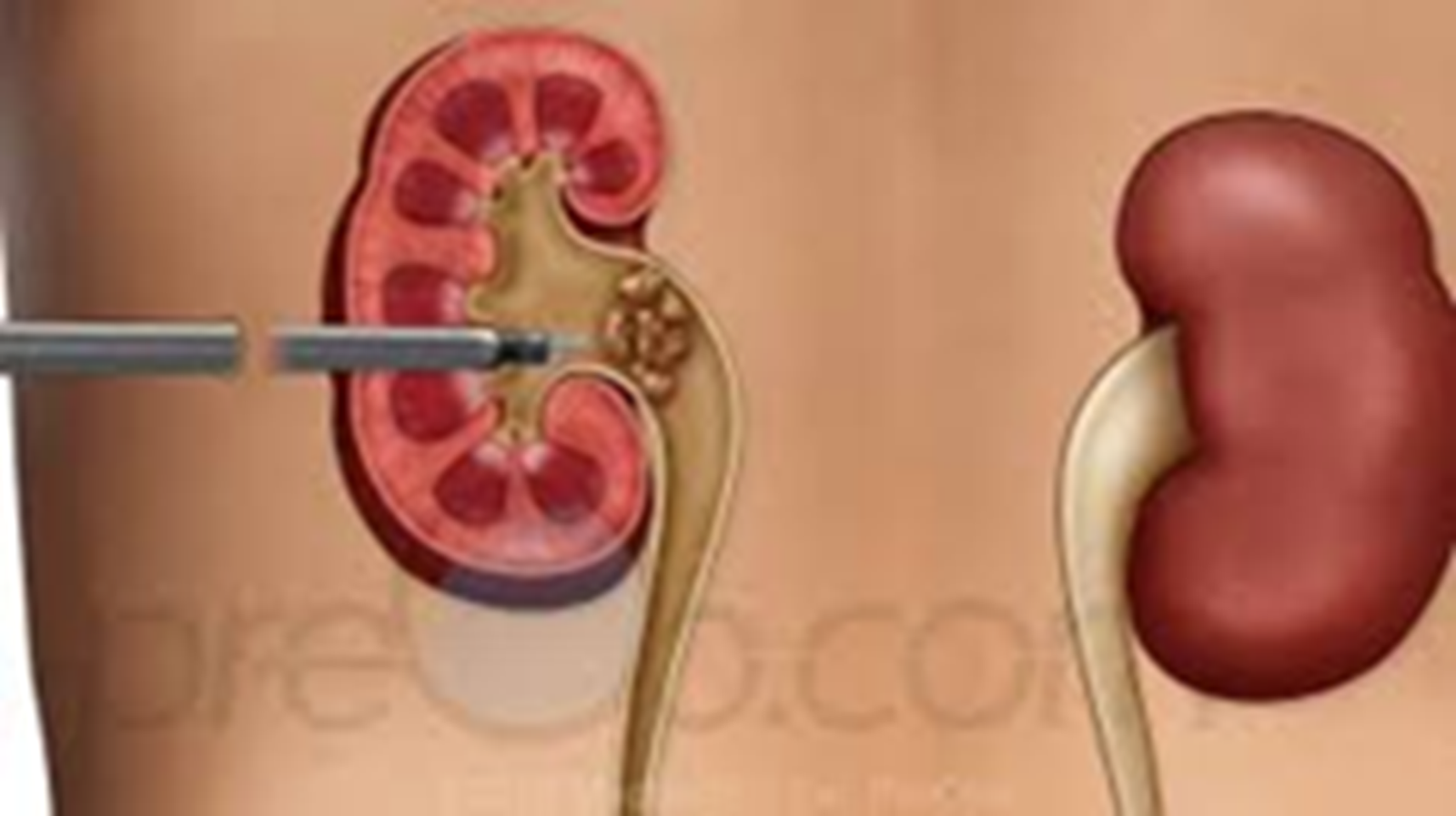
Kidney Stone Warning Signs: Small kidney stones are easily removed, but if the stone is large, surgery may be necessary. Let us tell you which surgery to perform.

Kidney Stone Emergency Symptoms: Kidney stones sometimes remain in place, while others move downward through the urinary tract. Very small stones often pass without any problems, but if they are large, they can block the passage and cause severe pain. Let us explain this in detail.
Common symptoms of kidney stones
Kidney stones can range in size from as small as a grain of sand to as large as a golf ball. Small stones often pass without symptoms, but larger ones can cause significant discomfort. Common symptoms include:
- Sharp, stabbing pain on one side of the groin or lower abdomen
- Blood in urine
- persistent nausea or vomiting
- fever and chills
- cloudy or foul-smelling urine
Often, the pain begins when the stone moves from its place or gets stuck in the ureter.
Not every stone passes on its own.
In many cases, stones pass on their own, but some may require medication or even surgery. The size of the stone plays a key role in determining treatment.
Kidney stone size and treatment
Stones measuring 1 to 4 mm (very small) often pass on their own by drinking plenty of water. Pain medication is usually sufficient.
Stones of 5 to 7 mm can sometimes be removed with medication and fluids, but if they do not come out, a procedure like shock wave lithotripsy may have to be done.
Stones larger than 8 to 10 mm (larger) are less likely to pass on their own. Lithotripsy or ureteroscopy may be needed.
Stones larger than 10 mm (very large) usually do not pass on their own, requiring surgery, ureteroscopy, or a procedure such as PCNL.
What size stone requires surgery?
Stones larger than 10 mm usually do not pass on their own and require surgery. According to the European Association of Urology and the UK's NICE guidelines:
For stones larger than 10 mm, surgery or minimally invasive treatment is done.
Even if a 5 to 7 mm stone causes pain, obstruction, or complications, treatment becomes necessary.
What factors determine the decision to undergo surgery?
Not only the size, but some other things are also important-
Location of the stone – Stones stuck in the upper tube may pass faster than those stuck in the lower tube.
Kidney structure – The size and urine drainage capacity of the kidneys determine the treatment.
Type of stone – Some stones do not break up with shock wave therapy.
The patient's condition – age, chronic illnesses, and pain tolerance also matter.
Recurrent stone formation – In such cases, surgery may be considered even for small stones.
When to see a doctor immediately?
If you see these symptoms, do not delay-
- severe or prolonged pain
- urinary retention
- fever or signs of infection
- persistent vomiting
- blood in urine