LIFESTYLE
Blood Test Health Risk: Blood tests hide the risk of disease and death, a shocking claim in research

Future Disease Prediction: Doctors often advise us to get blood tests for various diseases. Let's explain how your blood can reveal which disease you are likely to develop.
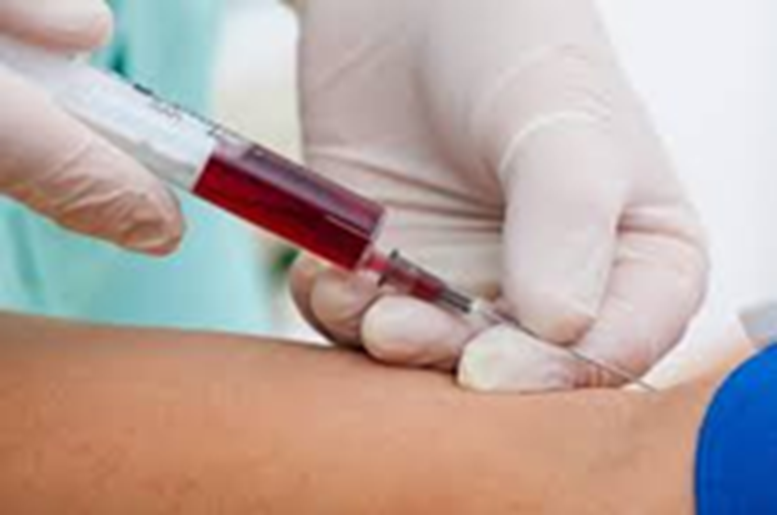
Diagnosis of disease through a blood test
Can Blood Test Predict Disease? In modern medicine, more emphasis is now being given to detecting the early signs of a disease rather than treating it. In this direction, new research has indicated that certain proteins present in the blood can predict the risk of serious diseases and death in the future. In this study, conducted by researchers from the University of Surrey, data from the UK Biobank were analyzed. It included blood samples and health records of more than 38 thousand people aged between 39 and 70 years, who were followed up for several years.
What came out in the research
During the study, scientists examined approximately 3,000 proteins present in each blood sample and looked at which protein levels were associated with non-accidental death within 5 or 10 years. According to the report, even after accounting for known risk factors like age, BMI, and smoking, hundreds of proteins were found to be associated with death from cancer, heart disease, and other serious illnesses. This was the most surprising finding.
What did the researcher prepare?
Based on this data, the researchers created smaller protein panels. One panel included 10 proteins that were associated with a 10-year risk of death, while the other panel included six proteins that were associated with a 5-year risk. The study also revealed that traditional risk models based solely on age and lifestyle are not very accurate. However, the protein-based model performed better at predicting risk, although its capabilities are still considered limited.
What the experts say
Experts say that these proteins in the blood can reveal slow biological processes within the body, such as inflammation, organ stress, or immune system problems that may not yet have symptoms. However, researchers have clarified that this test does not determine the time of death. It should be seen as an early warning system, allowing for timely detection and prevention. According to health experts, if the results prove to be solid in further studies, such blood tests could help doctors in the future to closely monitor patients, provide timely screening, and recommend lifestyle modifications.