
The kidneys produce certain hormones in our bodies that help control blood pressure and make red blood cells. However, many people don't realize their kidneys aren't working properly until they're older.
Kidneys are one of the most vital organs in our body. They help clean our blood, remove waste from the body, and maintain fluid balance. Furthermore, the kidneys produce certain hormones that help regulate blood pressure and produce red blood cells. However, many people don't realize their kidneys are malfunctioning until the condition becomes severe. This is because kidney problems often don't cause any obvious symptoms in the early stages. This is why approximately 90 percent of people don't know they have kidney disease. This is why timely testing and precautions are crucial. Let's learn how to detect kidney failure before it actually fails and which tests are most helpful.
How to detect kidney failure before it happens?
1. Changes in urine – Decreased urine volume, frequent urination, especially at night. Foam or bubbles in the urine, which may indicate the presence of protein, blood in the urine, or strange colors, can be signs of kidney damage.
2. Swelling in the body - When the kidneys don't function properly, toxins begin to accumulate in the body. This often manifests as swelling around the eyes, feet, or hands.
3. Fatigue and weakness - The kidneys produce erythropoietin, a hormone essential for red blood cell formation. When kidneys fail, this deficiency leads to a lack of oxygen in the body, making the person feel tired.
4. Difficulty in breathing – Accumulation of toxins in the body can cause problems in the lungs, which leads to difficulty in breathing.
5. Vomiting and nausea – When kidneys fail, toxins accumulate in the body, which can lead to loss of appetite, vomiting or persistent nausea.
6. Headaches, dizziness, and mental distress - Kidney problems can cause electrolyte imbalances in the body, making it difficult to focus and sometimes even leading to mental distress. If you experience any of these symptoms, get tested immediately.
Which test helps in knowing the condition of the kidney?
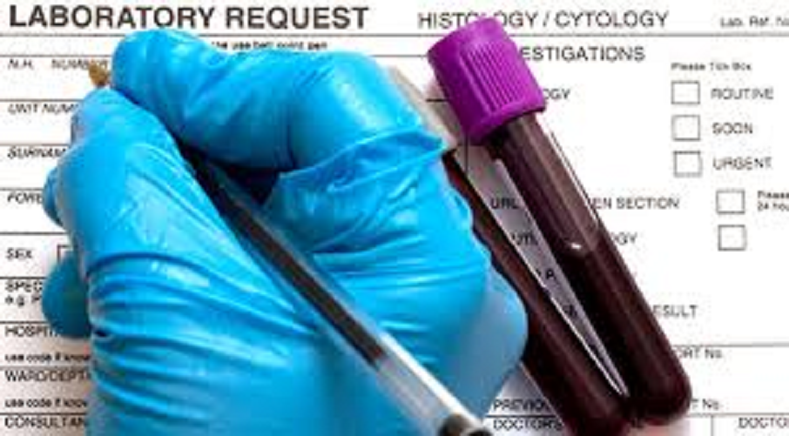
1. Blood Tests - To assess kidney health, creatinine and BUN tests indicate how well your kidneys are removing waste from your blood. Additionally, eGFR, which measures the glomerular filtration rate, indicates how well your kidneys are filtering blood. An eGFR of less than 15 indicates serious kidney damage or failure.
2. Urine test – This test checks for protein, blood, or other abnormalities in the urine. It also monitors the amount and color of urine.
3. Imaging tests – Ultrasound or CT scans help visualize the structure and size of the kidneys. This can reveal signs of stones, tumors, or other diseases.
4. Other tests – In some cases, the doctor may also perform other tests, like kidney biopsy, which can determine the structure of the kidney and the extent of damage.
Prevention and precautions before kidney failure
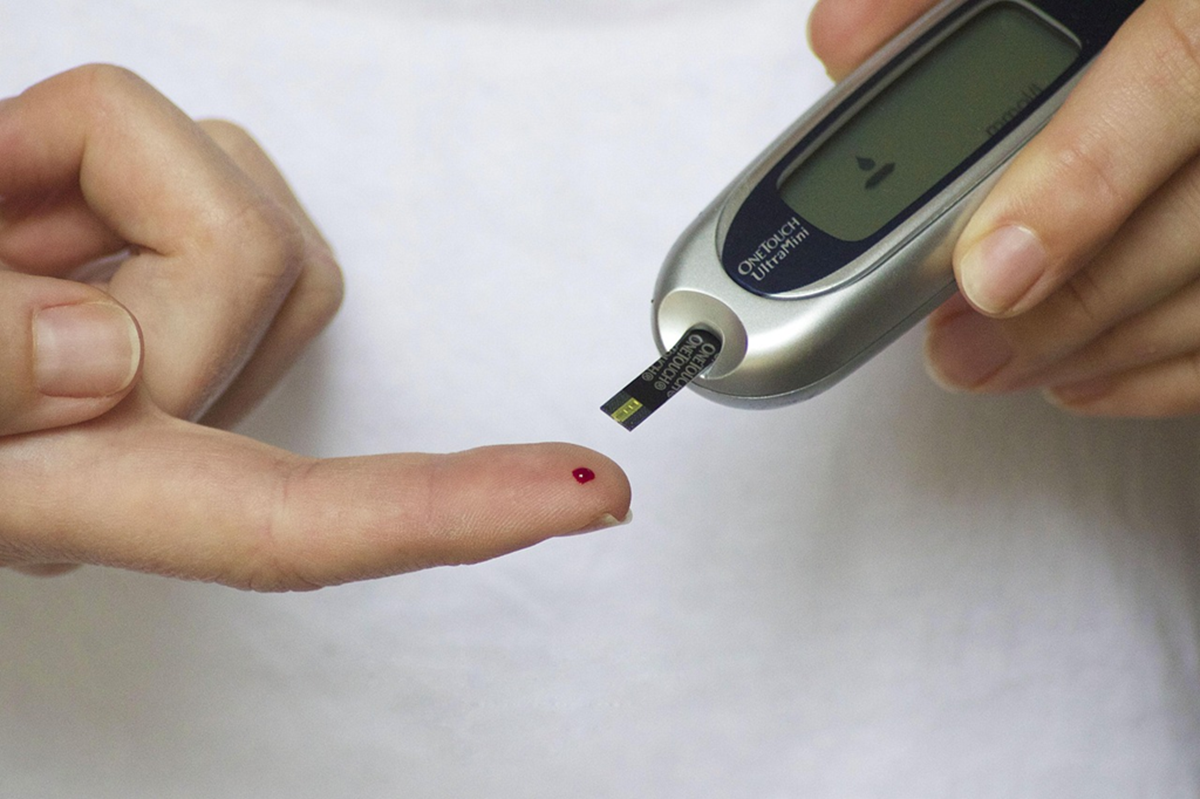
Early detection of kidney disease can help prevent its progression. To achieve this, if you have a family history of kidney disease or you are over 60, schedule regular checkups. Maintain blood sugar control. High blood pressure and diabetes can damage the kidneys. Additionally, a healthy lifestyle, a balanced diet, plenty of water, regular exercise, and avoiding smoking are essential. Use medications appropriately. Do not take any medication or supplement without consulting a doctor.