LIFESTYLE
How does skipping breakfast affect your metabolism and sugar levels? Learn what experts say.

Health experts say that breakfast is considered the most important meal of the day. The body is without energy overnight and is in dire need of energy upon waking.

The connection between breakfast and health
In today's busy lives, many people skip breakfast. Whether it's rushing to the office early, getting the kids to school, or trying to lose weight, the reason may be anything, but skipping breakfast has become a common habit. But do you know how dangerous this habit can be for your health? Health experts say that breakfast is considered the most important meal of the day.
The body remains without energy throughout the night, and upon waking in the morning, it desperately needs energy. So, if you skip breakfast, your body doesn't receive the necessary nutrition, and this slowly begins to affect your health. So, let us explain today how skipping breakfast can increase your blood sugar and how this habit can lead to obesity.
How does not having breakfast increase blood sugar?
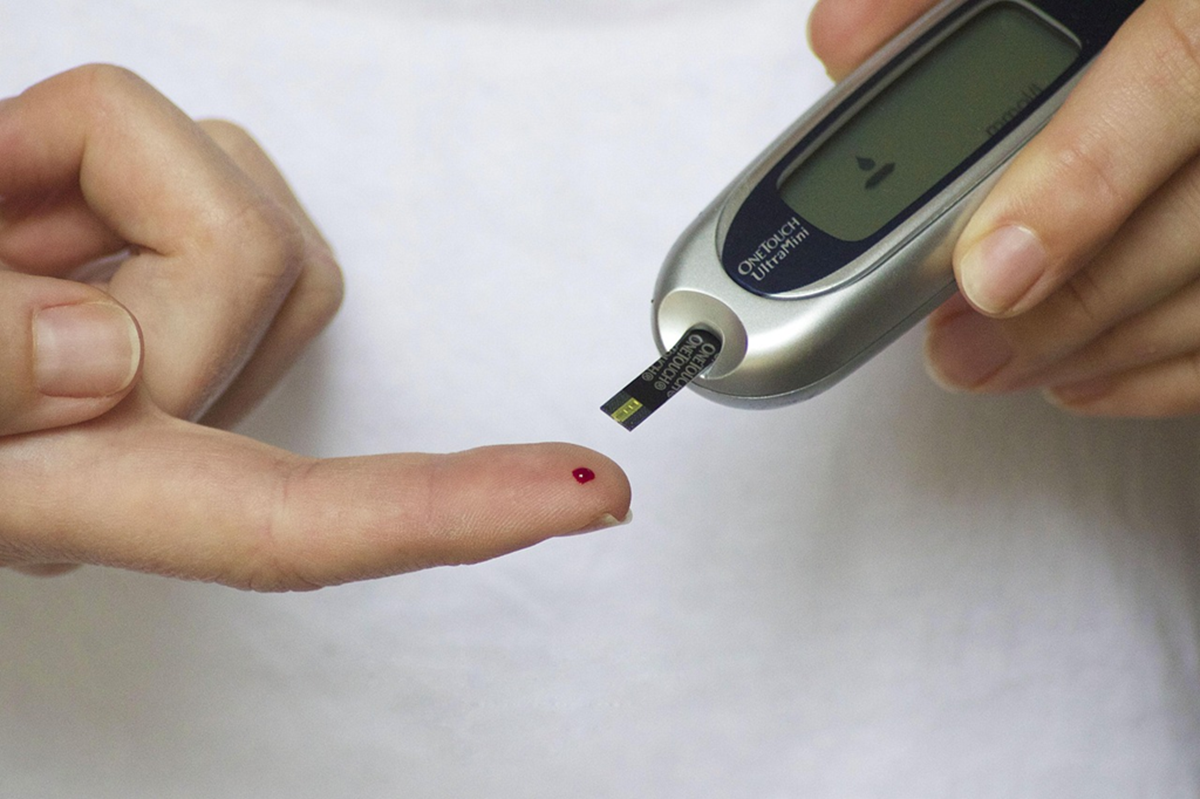
According to health research, people who skip breakfast have a 30 percent higher risk of developing type 2 diabetes. This is due to an imbalance in blood sugar levels. Skipping breakfast deprives the body of the necessary glucose, forcing it to use its stored energy. The body produces more insulin to control blood sugar, which fatigues the pancreas. Frequently skipping breakfast causes the body to respond poorly to insulin, a condition known as insulin resistance, which contributes to diabetes.
Why does skipping breakfast lead to weight gain?
Many people believe that skipping breakfast will reduce calories and lead to weight loss, but the truth is different. Not eating anything in the morning makes you feel hungry again and again throughout the day. You might want to overeat at lunch or dinner. To satisfy hunger quickly, people overeat on fast food, snacks, or sweets. Overeating causes the body to store excess fat. These are the reasons for the gradual weight gain. Furthermore, metabolism, the process by which the body digests food and produces energy, is affected. When you skip breakfast, your metabolism slows down, resulting in fewer calories burned, fatigue sets in, and energy levels remain low.