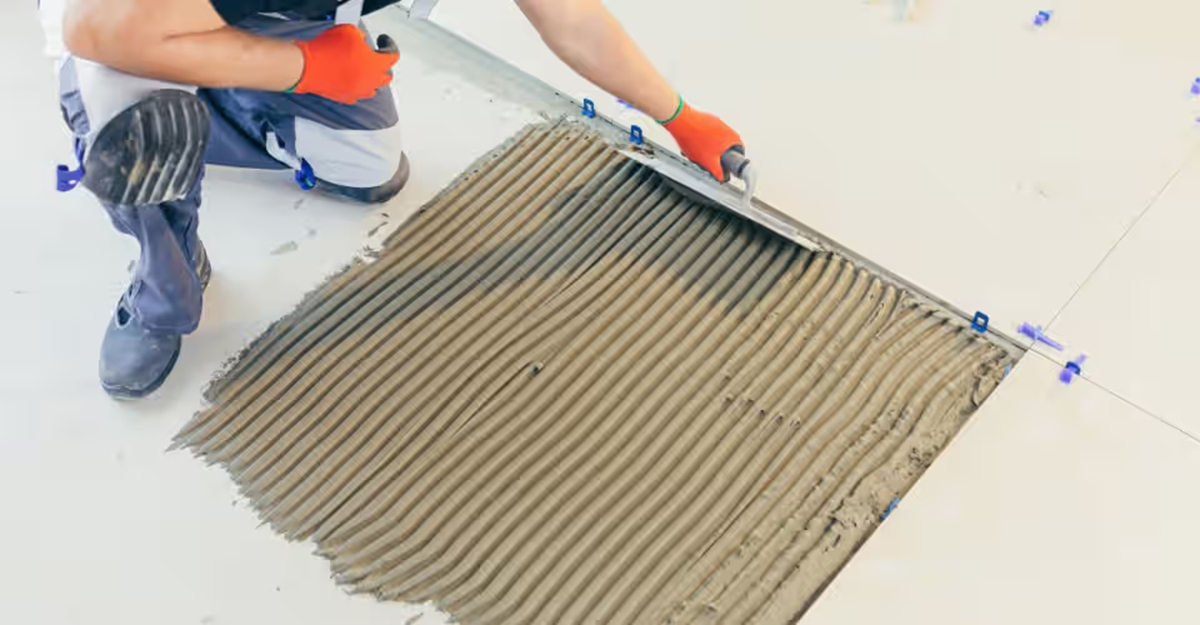
Flooring Tips: When installing tiles, the adhesive should be spread evenly over the entire surface. If this material doesn't reach certain areas, gaps may remain.
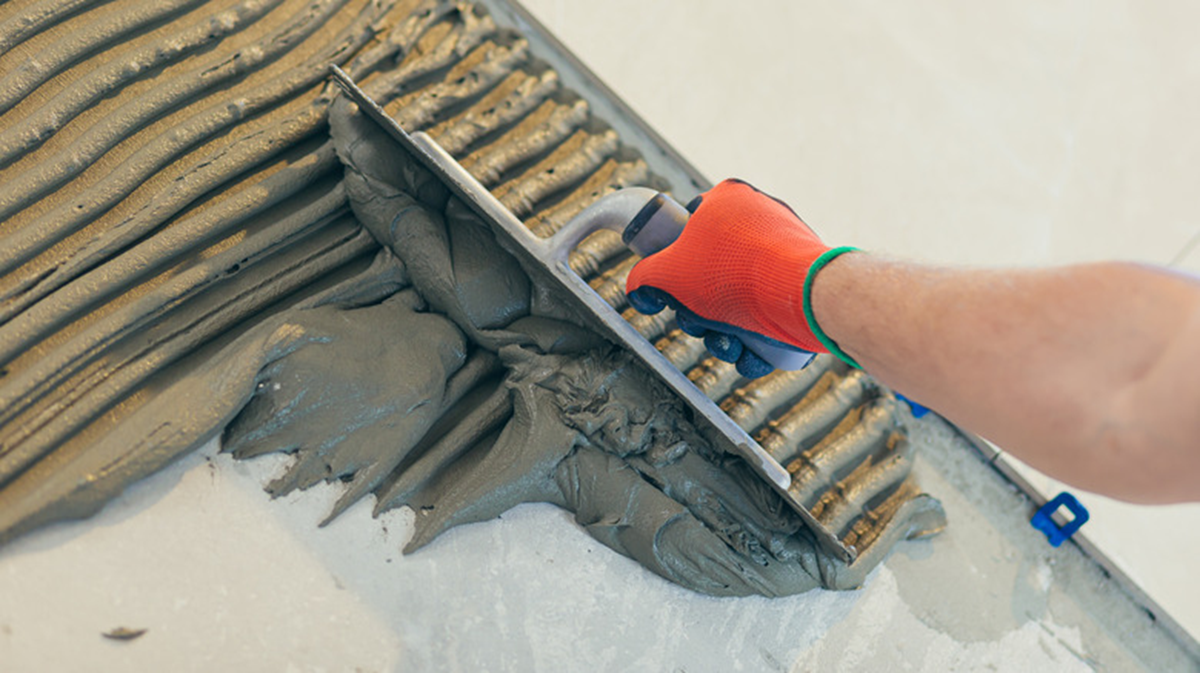
Why do tiles make a knocking or hollow sound?
Why Do Floor Tiles Sound Hollow: Some time after laying your tiles, if you hear a creaking or hollow sound when you walk on them or tap them lightly, don't dismiss it as a normal sound. Often, this noise is caused by empty spaces beneath the tiles. This means that the adhesive between the tile and the underlying surface isn't properly applied everywhere.
Initially, the problem may seem limited to just noise, but over time, tiles can become loose, crack, or water can seep beneath them. Therefore, if a tile in your home is consistently making a hollow sound, it's important to understand the cause.
Why do tiles make a knocking sound?
When installing tiles, the adhesive material behind them should be spread evenly over the entire surface. If this material doesn't reach certain areas, empty spaces remain. These voids create a sound when tapped on the tile. Sometimes, adhesive material is applied to only a few areas under the tile instead of spreading it over the entire surface. This can leave a large gap beneath the tile, which can cause a hollow sound later on.
Poorly maintained surfaces can also cause problems. Dust, dirt, or uneven surfaces in the tile installation area can lead to poor adhesion between the tile and the adhesive. Improper mixing or application of the material can also weaken the tile's adhesion.
How to tell if there is empty space under a tile?
A simple test can be performed at home. Gently tap the tile with a coin or the back of a screwdriver. A tile that makes a firm, gentle pressure sound likely has a better grip. However, if the sound is more resonant or hollow, there may be a void beneath it. If only one tile is making this sound and it's perfectly solid, there's no need to remove it immediately. However, if the tile is shifting, cracked, or allowing moisture to enter the surrounding area, it shouldn't be ignored.
How to fix a hollow-sounding tile?
If a tile has become loose or there is a significant gap beneath it, the best approach may be to remove and reinstall it. This involves removing the old adhesive, cleaning the surface, and properly applying the new material. When reinstalling the tile, it's important to ensure the adhesive is adequately spread. Some small gaps may be filled with injection materials like epoxy. However, this isn't always the right solution. Especially if the tile is loose or the area is constantly under heavy pressure, removing and reinstalling the tile may be a better option.
If the hollow sound is coming from multiple tiles at once, it's best to have an experienced tile installer inspect the entire area rather than trying to fix each tile yourself. This can help pinpoint the root cause of the problem.
Keep these things in mind when installing tiles.
To prevent later-on creaking noises, it's essential to thoroughly clean and level the surface before installing the tiles. Dust or dirt can affect the adhesion of the adhesive. It's also crucial to choose the right tile adhesive for the tile. Mix it according to the manufacturer's instructions and use the correct amount. Instead of applying the material in a few spots, spread it evenly under the tile to minimize gaps.
The correct trowel size and application method are also important when installing tiles. Properly applied adhesive helps create a better bond between the tile and the underlying surface. If tiles are making a clicking noise, first determine if it's just the sound or if there's another problem with the tile itself. If you notice signs like loose tiles, cracks, or moisture, don't delay repairs. Installing tiles correctly and thoroughly preparing the underlying surface are the best ways to avoid this problem.