LIFESTYLE
Hair Care Tips: Worried About Premature Grey Hair? Try These 5 Natural Ways to Keep Your Hair Healthy
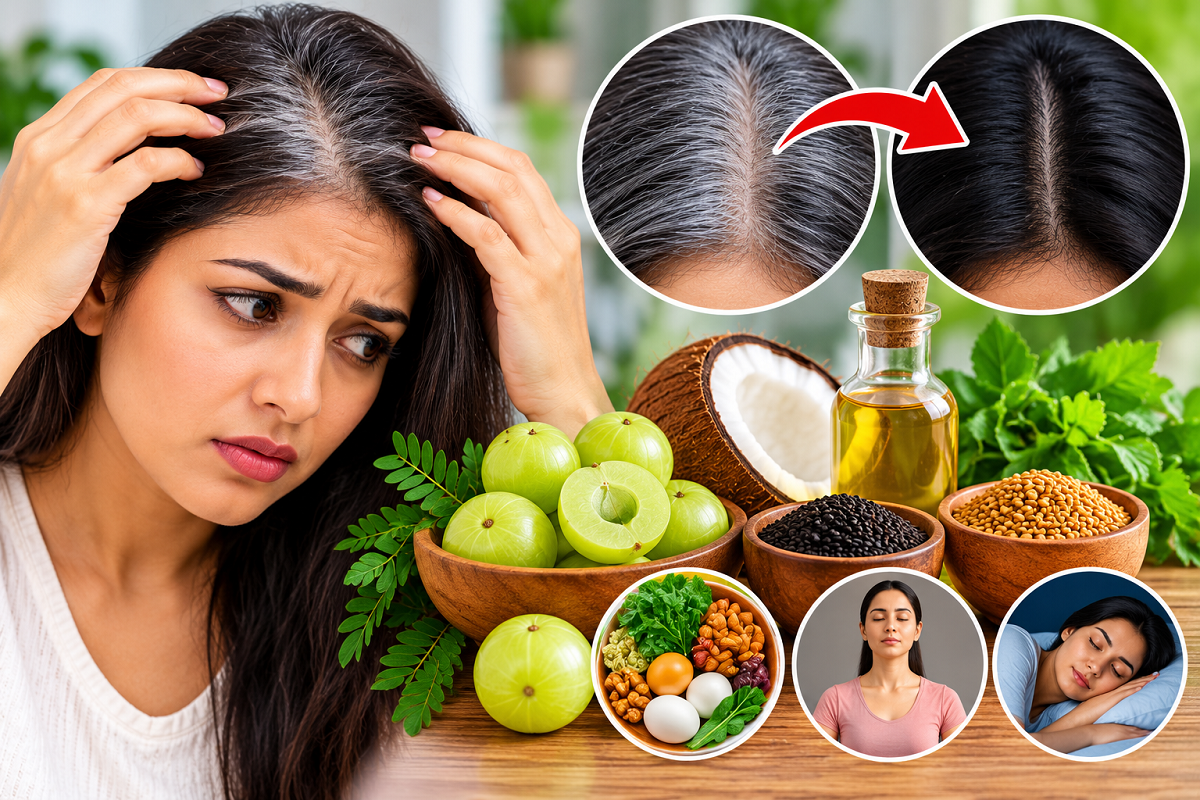
Hair Care Tips: Grey hair was once associated mainly with ageing, but many people now notice their first grey strands during their twenties or thirties. While some prefer to cover them with hair dye, others look for natural remedies to maintain healthy hair and preserve its original colour.
Premature greying can occur for several reasons, including genetics, nutritional deficiencies, smoking, prolonged stress and certain medical conditions. Although ageing-related greying is a normal biological process, understanding the possible causes of early colour changes can help people make informed decisions about hair care.
Traditional remedies such as amla and coconut oil are widely used in India. However, it is important to understand that no home remedy has been reliably proven to turn naturally grey hair permanently black again.
Healthy lifestyle habits may support hair and scalp health, while identifying and treating an underlying medical problem may help in certain cases.
Here are five practical hair care tips, along with the reasons hair turns grey and when medical advice may be necessary.
Why Does Hair Turn Grey at an Early Age?
Hair gets its natural colour from a pigment called melanin, which is produced by specialised cells known as melanocytes.
Melanin determines whether a person's hair appears black, brown, blonde or another natural shade.
As people age, pigment production in hair follicles gradually declines. New hair strands may then grow with less colour, appearing grey or white.
The age at which this process begins varies considerably.
For some individuals, grey hair appears relatively early because of inherited characteristics. For others, nutritional or medical factors may contribute.
Premature greying does not necessarily mean that someone has an underlying disease, but a sudden or unusual change may deserve attention.
Five Common Causes of Premature Grey Hair
1. Genetics and Family History
Genetics plays a major role in determining when hair begins to lose its natural colour.
If parents or close relatives experienced early greying, their children may also be more likely to notice grey strands at a younger age.
Genetic greying is not necessarily related to poor nutrition or unhealthy habits.
There is currently no established home treatment that reliably reverses hereditary greying.
2. Nutritional Deficiencies
Certain nutritional deficiencies may be associated with changes in hair pigmentation.
Vitamin B12 deficiency is one possible contributor, while low iron levels and other nutritional problems may affect overall hair health.
However, not everyone with grey hair has a vitamin deficiency.
Taking supplements without identifying a deficiency is unlikely to restore natural hair colour and may sometimes be harmful.
3. Long-Term Stress
Prolonged stress can affect several biological processes, including those related to hair health.
Research has suggested possible links between stress and changes in hair pigmentation.
However, the relationship is complex, and stress reduction cannot be guaranteed to reverse grey hair.
Managing stress remains beneficial for general health and well-being.
4. Smoking
Studies have reported an association between smoking and premature hair greying.
Smoking exposes the body to substances that can contribute to oxidative stress.
Quitting smoking offers important health benefits, although it does not guarantee that existing grey hair will regain its original colour.
5. Certain Medical Conditions
Some medical conditions may contribute to premature changes in hair pigmentation.
For example, thyroid disorders and certain nutritional problems can sometimes be associated with hair changes.
If greying occurs unusually early or is accompanied by other symptoms, a healthcare professional may recommend further evaluation.
Five Natural Hair Care Tips to Support Healthy Hair
Natural hair care focuses on maintaining healthy hair and scalp conditions rather than promising to reverse grey strands.
The following habits may help support overall hair health.
1. Eat a Balanced Diet Rich in Essential Nutrients
Good nutrition plays an important role in maintaining healthy hair.
Hair follicles require an adequate supply of nutrients to support normal growth and function.
A balanced diet should provide sufficient protein, vitamins and minerals.
Important nutrients include vitamin B12, iron, folate, zinc and protein.
Foods that may contribute to a balanced diet include green leafy vegetables, lentils, beans, eggs, milk, curd, paneer, fruits, nuts and seeds.
People following vegetarian or vegan diets should pay particular attention to vitamin B12 intake because reliable natural food sources are mainly animal-derived.
Fortified foods or supplements may be necessary for some individuals, based on dietary needs and professional advice.
Correcting a confirmed nutritional deficiency can support overall health and may help address hair changes associated with that deficiency.
However, it will not necessarily reverse grey hair caused by genetics or ageing.
2. Include Amla in Your Diet
Amla, also known as Indian gooseberry, is a familiar ingredient in traditional Indian hair care practices.
It contains vitamin C and various antioxidant compounds.
Amla can be included in a balanced diet in several forms, such as fresh fruit or chutney.
Vitamin C also supports the body's absorption of non-heme iron from plant-based foods.
Some traditional hair care preparations use amla oil or amla-based mixtures on the scalp.
However, there is insufficient reliable clinical evidence that eating amla or applying it to the scalp can permanently restore melanin production in grey hair.
It is better to consider amla a nutritious food rather than a proven cure for premature greying.
People using amla-based topical products should stop if irritation or an allergic reaction occurs.
3. Massage Your Scalp Gently With Coconut Oil
Coconut oil is commonly used to moisturise hair and reduce dryness.
Some research suggests that coconut oil can help reduce protein loss from hair strands under certain conditions.
This may help improve hair manageability and reduce damage associated with grooming.
A small amount of coconut oil can be applied gently to the hair or scalp, depending on individual tolerance.
Avoid aggressive massage or scratching, as these practices may irritate the scalp.
People with certain scalp conditions may find that oil-based products worsen their symptoms.
Although coconut oil may help with dryness and hair care, it has not been proven to turn grey hair black.
Its benefits are mainly related to hair conditioning rather than reversing pigmentation changes.
4. Manage Stress Through Healthy Daily Habits
Stress management is an important part of maintaining general health.
Long-term psychological stress can affect sleep, appetite and daily routines.
It may also influence certain biological processes involved in hair health.
Simple activities such as walking, yoga, meditation and regular physical exercise can help some people manage stress.
Spending time outdoors, maintaining social connections and taking regular breaks may also support well-being.
These habits should be viewed as part of a healthy lifestyle.
While stress management may benefit overall health, it cannot guarantee prevention or reversal of premature greying.
5. Get Enough Sleep Every Night
Sleep is essential for normal physical and mental functioning.
Most adults should aim for approximately seven to nine hours of sleep each night, although individual requirements vary.
Maintaining a regular bedtime and wake-up schedule can help improve sleep consistency.
Limiting caffeine late in the day and reducing screen exposure before bedtime may also support better sleep habits.
Adequate sleep contributes to general well-being and may help people maintain healthier daily routines.
However, there is no convincing evidence that sleeping longer can directly restore pigment to grey hair.
Can Grey Hair Naturally Turn Black Again?
This is one of the most frequently asked questions about premature greying.
The answer depends partly on why the hair has lost its pigment.
Greying caused by ageing or inherited factors is generally considered difficult to reverse.
In certain cases where pigmentation changes are associated with a treatable medical condition or nutritional deficiency, addressing the underlying cause may help.
However, improvement is not guaranteed.
Products claiming to permanently turn all grey hair black through natural ingredients should be approached cautiously.
There is currently no widely established home remedy that reliably restores natural hair colour in every individual.
Does Amla Really Reverse Grey Hair?
Amla has a long history of use in traditional hair care.
It is rich in vitamin C and contains antioxidant compounds.
However, nutritional value and traditional use should not be confused with proven effectiveness against grey hair.
Scientific evidence is currently insufficient to conclude that amla can reliably reverse premature greying.
People may still enjoy amla as part of a balanced diet, but it should not replace medical assessment when early greying is accompanied by other symptoms.
Can Vitamin B12 Deficiency Cause Premature Greying?
Vitamin B12 plays an important role in several bodily functions, including red blood cell formation and nervous system health.
Some studies have found associations between premature greying and certain nutritional deficiencies, including low vitamin B12 levels.
However, this does not mean every person with grey hair needs vitamin supplements.
If a deficiency is suspected, a healthcare professional may recommend appropriate blood tests.
Treatment should be based on the identified deficiency and individual medical needs.
Taking excessive supplements without medical guidance is not advisable.
Hair Care Habits That May Help Prevent Damage
Along with maintaining a healthy diet and lifestyle, proper grooming can help protect hair from avoidable damage.
Avoid excessive heat styling, harsh chemical treatments and aggressive brushing.
Choose hair products that suit your scalp and hair type.
If you use hair dye, follow the manufacturer's instructions and perform an appropriate allergy test as directed.
Some hair dyes can cause allergic reactions or scalp irritation.
Gentle hair care may improve appearance and reduce breakage, but it cannot necessarily prevent age-related greying.
Natural Hair Care Tips: What They Can and Cannot Do
| Hair Care Method | Potential Benefit | Important Limitation |
|---|---|---|
| Balanced Diet | Supports normal hair health | Cannot guarantee reversal of grey hair |
| Amla | Provides vitamin C and antioxidants | Not proven to restore grey hair colour |
| Coconut Oil | May reduce dryness and protein loss | Does not reliably restore melanin |
| Stress Management | Supports overall well-being | Does not guarantee prevention of greying |
| Adequate Sleep | Supports general health | No proven direct reversal of grey hair |
| Treating Nutritional Deficiency | May address an underlying contributor | Results depend on the cause |
When Should You Consult a Doctor?
Occasional grey strands are usually not a medical emergency.
However, a consultation may be useful if hair turns grey unusually early, changes rapidly or is accompanied by other symptoms.
Seek medical advice if you experience significant hair loss, persistent fatigue, unexplained weight changes, scalp inflammation or other health concerns.
A dermatologist or healthcare professional can assess whether further evaluation is necessary.
Depending on the symptoms and medical history, tests for thyroid function or nutritional deficiencies may be considered.
Not everyone with premature greying requires blood tests.
Frequently Asked Questions
Can coconut oil turn white hair black?
There is no reliable scientific evidence that coconut oil can permanently restore the natural colour of grey hair. It may help condition hair and reduce dryness.
Is amla good for grey hair?
Amla provides vitamin C and antioxidants, but its ability to reverse grey hair has not been established through strong clinical evidence.
Why is my hair turning grey in my twenties?
Genetics is a common explanation. Nutritional deficiencies, smoking and certain medical conditions may also contribute in some cases.
Can stress cause premature grey hair?
Research suggests a possible relationship between stress and hair pigmentation, but the process is complex and varies among individuals.
Does eating healthy food prevent grey hair?
A nutritious diet supports normal hair health and helps prevent deficiencies. It cannot guarantee that hair will retain its original colour indefinitely.
Can vitamin supplements restore black hair?
Supplements may help when a confirmed deficiency is contributing to a problem. They are not a proven universal treatment for grey hair.
Is premature greying dangerous?
Premature greying is often harmless, particularly when it runs in families. Medical evaluation may be appropriate if it is sudden or accompanied by other symptoms.
Final Thoughts
Premature grey hair can be influenced by genetics, nutrition, lifestyle habits and certain medical conditions.
Although natural ingredients such as amla and coconut oil are commonly used in hair care, there is no reliable evidence that they can permanently reverse all grey hair.
A balanced diet, adequate sleep, stress management and gentle hair care can support healthy hair and scalp conditions.
If greying occurs unusually early or is accompanied by other symptoms, identifying an underlying medical cause may be more useful than relying on unproven remedies.
The most practical approach is to focus on maintaining healthy hair rather than expecting home remedies to restore its natural colour overnight.
Medical Disclaimer: This article is intended for general health awareness and does not replace professional medical advice. Consult a qualified healthcare professional or dermatologist for persistent hair or scalp concerns.