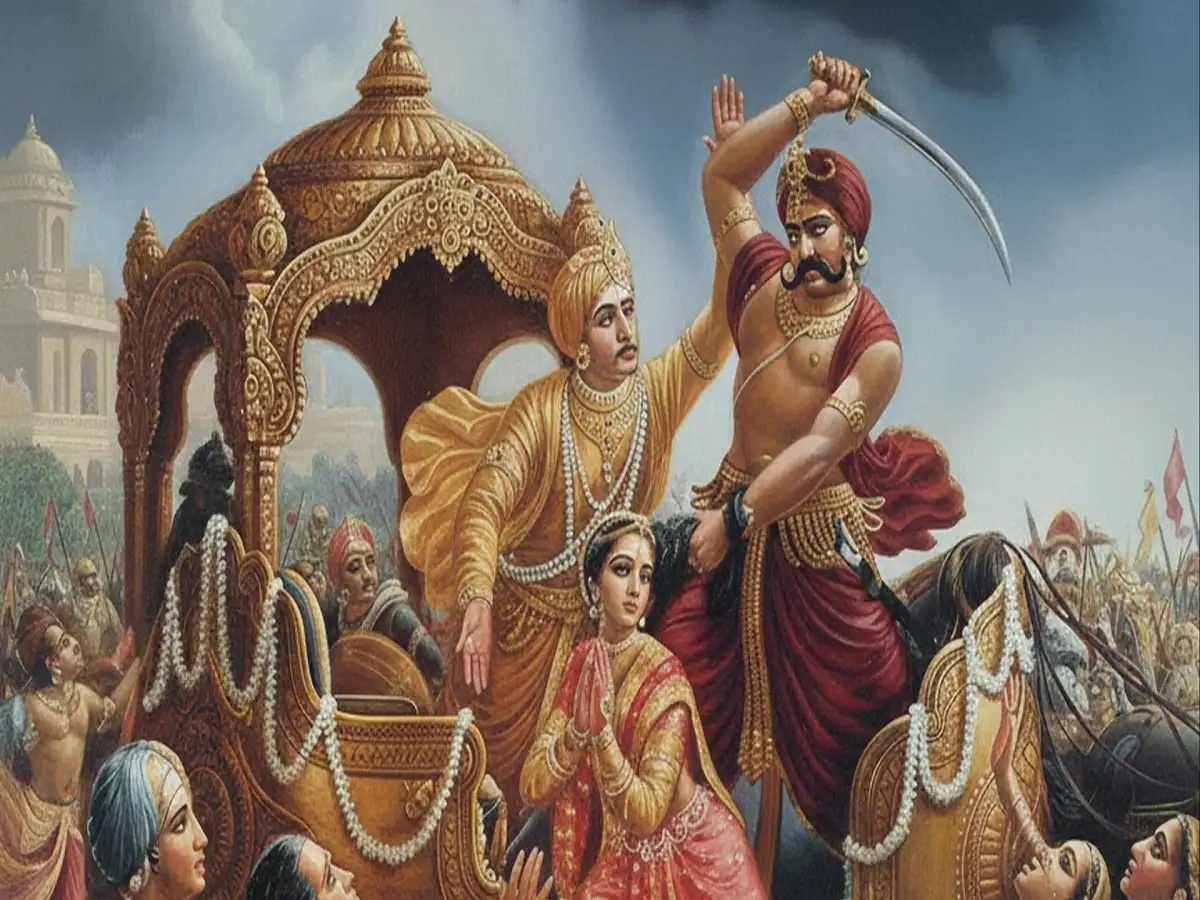
Hindu religious traditions place considerable emphasis on karma—the idea that a person's actions can have consequences for both worldly life and spiritual progress. Ancient texts and traditional teachings frequently encourage people to follow truth, compassion, respect and self-discipline while staying away from conduct considered harmful or adharmic.
The description and classification of sins are not identical across every Hindu scripture, Purana or philosophical tradition. However, several actions are repeatedly described as serious violations of ethical and religious duties. Some traditional accounts also use strong comparisons to emphasize the gravity of disrespecting parents, teachers, food, or innocent people.
Here is a closer look at some actions that Hindu religious traditions advise people to avoid.
What Are the Panchamahapatakas?
The term Panchamahapataka is traditionally used for five categories of extremely serious wrongdoing. Their precise description can differ depending on the religious text, interpretation and tradition being followed.
Commonly cited examples include:
Brahmahatya: Traditionally understood as the killing of a Brahmin, learned person or spiritually significant individual in certain scriptural contexts.
Surapana: The consumption of intoxicating liquor, particularly where prohibited by religious rules.
Serious theft: Stealing, especially certain forms of major theft that ancient religious texts regarded as particularly grave.
Improper relationship with a guru's wife: Entering into a prohibited sexual relationship with the wife of one's teacher or spiritual guide.
Association with those committing grave sins: Some traditions also warn against knowingly supporting, assisting or maintaining close involvement in serious wrongdoing.
These classifications emerged in specific historical and religious contexts. Their interpretation can therefore vary considerably among scriptures, scholars and contemporary Hindu traditions.
Why Is Disrespecting Parents Considered a Serious Wrong?
Parents occupy an important position in many Hindu traditions. Respecting and caring for one's mother and father is commonly presented as a major moral responsibility.
Deliberately humiliating parents, treating them cruelly, neglecting them without justification or intentionally causing them suffering is therefore regarded as improper conduct in many traditional teachings.
The underlying lesson goes beyond religious ritual. It emphasizes gratitude toward those who have provided care and encourages sensitivity toward elderly family members.
Respect, however, should not be interpreted as requiring a person to tolerate abuse or unsafe behavior. Traditional ideas about family duties can be understood alongside personal dignity, safety and modern legal rights.
Religious Traditions Also Emphasize Respect for the Guru
The guru has historically been regarded as an important source of knowledge and spiritual guidance in Hindu traditions. This is why insulting or deliberately betraying a teacher or spiritual guide is often portrayed negatively in religious teachings.
Respect for a genuine teacher is not limited to formal gestures. It can also mean valuing knowledge, acknowledging guidance and showing gratitude to those who contribute to a person's intellectual or spiritual development.
At the same time, respect for a religious or spiritual teacher does not place anyone above ethical accountability or the law.
Wasting Food and Water Is Discouraged
Food holds a sacred place in many Indian religious traditions and is often treated as something that should be received with gratitude rather than wasted.
Traditional teachings therefore encourage people to take only as much food as they need, avoid unnecessary waste and share food with those who require assistance.
Water is similarly regarded as essential to life and deserving of careful use. In a modern context, these teachings can also be associated with responsible consumption and conservation of natural resources.
Intentionally Hurting Innocent People
Compassion, kindness and ahimsa, or non-harm, are prominent ethical principles across several Indian philosophical and religious traditions.
Intentionally causing physical or emotional suffering to an innocent person, exploiting someone vulnerable or knowingly violating another person's legitimate rights is generally regarded as morally wrong.
The broader teaching is that strength or social position should not be used to harm others. Instead, individuals are encouraged to act with compassion and fairness.
Lying, Cheating and Betraying Trust
Truthfulness has long been valued in Hindu ethical thought. Deliberately deceiving someone for personal benefit, cheating another person or abusing someone's trust is therefore discouraged.
Dishonesty can damage not only the person being deceived but also relationships, families and communities. Religious teachings surrounding satya, or truth, consequently encourage individuals to act honestly and responsibly.
The Broader Message Behind These Teachings
Descriptions of sin in Hindu texts should be understood within their particular scriptural, historical and philosophical contexts. Different texts and traditions may classify individual actions differently, so there is no single universally accepted ranking that applies to every Hindu school of thought.
The broader ethical message, however, frequently centers on avoiding unnecessary harm, respecting parents and teachers, valuing food and natural resources, practicing truthfulness and treating other people with compassion.
Rather than viewing these teachings only as lists of punishments or prohibitions, they can also be understood as traditional guidance intended to encourage responsible conduct. The recurring principles of gratitude, honesty, non-harm, self-control and respect remain central to many discussions of righteous living in Hindu philosophy.