LIFESTYLE
Health Tips: Lost the Ability to Speak After a Stroke? New Hindi Music Therapy Shows Promising Results
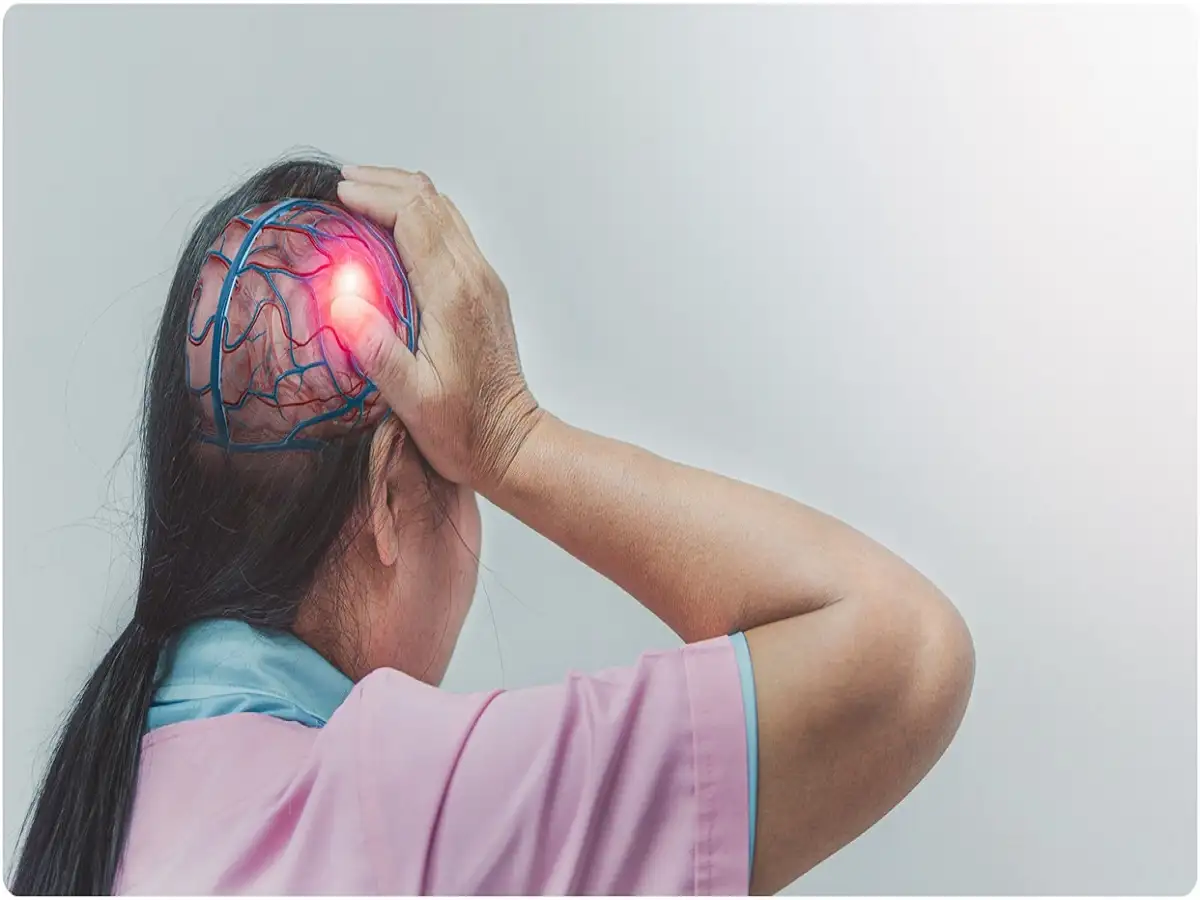
Health Tips: A stroke can have life-altering consequences, and one of its most challenging effects is the loss of speech. Many stroke survivors struggle to communicate, affecting their confidence, relationships, and overall quality of life. Researchers in India have now developed the first validated Hindi version of Melodic Intonation Therapy (MIT)—a music-based speech rehabilitation technique designed to help stroke survivors regain their ability to speak. Early findings suggest the therapy could offer new hope for Hindi-speaking patients recovering from aphasia.
What Is Melodic Intonation Therapy (MIT)?
Melodic Intonation Therapy (MIT) is a rehabilitation approach that uses music, rhythm, and melody to improve speech in people affected by aphasia, a language disorder that commonly occurs after a stroke.
Rather than relying solely on conventional speech exercises, MIT encourages patients to use their ability to sing as a pathway to rebuild spoken language.
The therapy typically combines:
- Melodic patterns and rhythm.
- Repetitive speech practice.
- Gradual progression from singing words to speaking them naturally.
- Structured language exercises guided by trained therapists.
Researchers have observed that while many stroke survivors find it difficult to speak, they may still be able to sing familiar songs, making this technique particularly valuable.
First Hindi Version Developed for Indian Patients
Until now, Melodic Intonation Therapy had primarily been available in English and a few other Western languages.
Indian researchers have now developed the first validated Hindi adaptation of the therapy.
Instead of translating English material directly, the research team redesigned the therapy to match:
- Hindi pronunciation.
- Natural speech rhythm.
- Sentence patterns commonly used by Hindi speakers.
- Cultural and linguistic characteristics of the language.
This localized approach is expected to make the therapy more suitable and effective for Hindi-speaking stroke survivors.
Research Published in an International Journal
The findings have been published in the peer-reviewed international journal Aphasiology, highlighting the potential of the Hindi adaptation as a speech rehabilitation tool for stroke patients.
The publication marks an important step toward expanding evidence-based speech therapy options for India's large Hindi-speaking population.
Pilot Study Shows Encouraging Results
Researchers conducted a pilot study involving six Hindi-speaking stroke survivors experiencing aphasia.
Each participant completed:
- 40 therapy sessions
- 45 to 60 minutes per session
According to the study, all participants showed measurable improvement after completing the therapy.
Reported improvements included:
- Better speech production.
- Ability to form longer sentences.
- Increased confidence while communicating.
- Improved overall quality of life following rehabilitation.
While the sample size was small, the results suggest that the therapy may help support speech recovery in selected patients.
No Major Side Effects Reported
One of the encouraging findings from the pilot study was the therapy's safety.
Researchers reported:
- No major adverse effects during treatment.
- Good patient participation throughout the sessions.
- High acceptance of the therapy among participants.
Because MIT is a non-invasive rehabilitation technique, it may serve as a complementary approach alongside conventional speech therapy under professional supervision.
Larger Clinical Trials Are Still Needed
Although the early findings are promising, researchers caution that the study involved only six participants.
They emphasize that:
- Larger clinical trials are necessary.
- More diverse patient groups should be studied.
- Long-term effectiveness needs further evaluation.
- Additional research will help determine whether the therapy can become a standard treatment option.
Further scientific evidence will be essential before the therapy can be widely recommended in routine clinical practice.
Digital Tools May Expand Access Across India
The research team is also exploring digital platforms to make the therapy more accessible beyond hospitals and specialized rehabilitation centers.
Future plans include:
- Digital therapy tools.
- Remote rehabilitation support.
- Easier access for patients in smaller towns and rural areas.
- Home-based therapy options under professional guidance.
Such initiatives could help improve access to speech rehabilitation services in regions where trained speech therapists are limited.
Stroke Recovery Requires Early Rehabilitation
Medical experts emphasize that speech therapy should begin as early as possible after a stroke whenever appropriate.
Recovery often depends on several factors, including:
- The severity of the stroke.
- The area of the brain affected.
- The patient's overall health.
- Consistency in rehabilitation exercises.
While therapies like MIT may support recovery, they should always be undertaken under the guidance of qualified healthcare professionals.
Bottom Line
The development of the first Hindi version of Melodic Intonation Therapy represents a significant advancement in speech rehabilitation research in India. By combining music, rhythm, and language exercises tailored to Hindi speakers, the therapy has shown encouraging early results in helping stroke survivors regain communication skills. Although larger studies are still required, the research offers hope for expanding rehabilitation options for people living with aphasia after a stroke.
Disclaimer: This article is for informational purposes only and should not be considered medical advice. Individuals recovering from a stroke should consult a qualified neurologist, speech-language pathologist, or healthcare professional before starting any rehabilitation therapy.