LIFESTYLE
Heart blockage: When is a heart stent needed? A doctor provides complete information about heart blockage
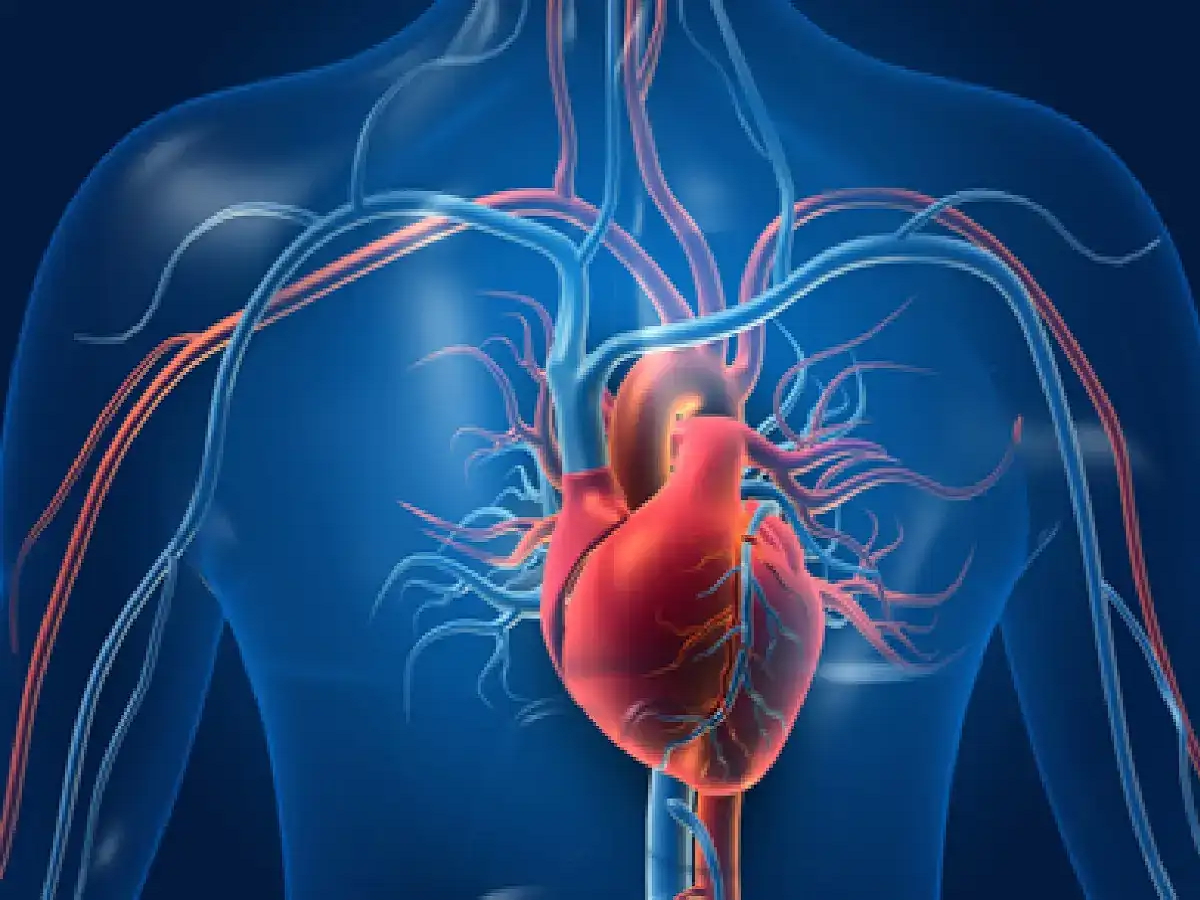
When a blockage occurs in the heart's blood vessels, the first question many people ask is, "Do I need a stent?" But not every blockage requires a stent. Doctors consider the percentage of the blockage, the patient's symptoms, whether the heart's blood supply is healthy, and the results of other tests to decide whether to place a stent.
According to Dr. Tarun Kumar, Professor, Cardiology Department, Medanta Medicity Moolchand Hospital, some patients need immediate stent placement, while for some, only medication and lifestyle changes are enough.
Less than 50 percent blockage:
If the heart's blood vessels are less than 50 percent blocked, a stent is usually not necessary. Such patients are treated with medication. Additionally, dietary changes, regular exercise, and quitting smoking or drinking are recommended. The risk of heart attack is significantly lower with such blockages. Often, this problem is only detected during an angiography test.
Not everyone with a 50 to 69 percent blockage needs a stent.
A 50 to 69 percent blockage in a blood vessel does not necessarily mean a stent needs to be placed immediately. This decision is not made solely on the basis of the angiography report or the percentage of blockage. If the patient does not have chest pain, shortness of breath, or any other bothersome symptoms, and blood flow to the heart is normal, medication treatment can be continued.
In such cases, doctors perform tests such as a stress test, FFR, or IFR. These tests can determine the extent of the blockage's impact on blood supply. Placing a stent is considered only if the blood flow is significantly obstructed.
Stent placement is more likely with a 70 to 89 percent blockage.
If the blockage reaches 70 to 89 percent and the patient experiences frequent chest pain, difficulty walking, or symptoms of poor blood supply to the heart, stent placement is recommended. If the blockage is in the heart's main coronary artery, the need for a stent may be greater.
However, some patients remain stable and show no symptoms. In such patients, doctors can treat them with medication, regular checkups, and ongoing monitoring.
A 90 percent or greater blockage is dangerous.
If the blockage in a blood vessel reaches 90 to 99 percent, the blood vessel is almost closed. Therefore, if the patient is experiencing persistent chest pain, signs of reduced blood supply to the heart, or has had a heart attack, it is important to have a stent implanted as soon as possible.
When should angioplasty be performed?
Dr. Tarun Kumar says that if a patient suddenly suffers a severe heart attack, angioplasty is performed immediately and a stent is placed. This treatment is often life-saving.
PC: livasa hospital