LIFESTYLE
Foot Warning Signs: Do your feet feel cold and numb? Could this be a sign of a serious illness?
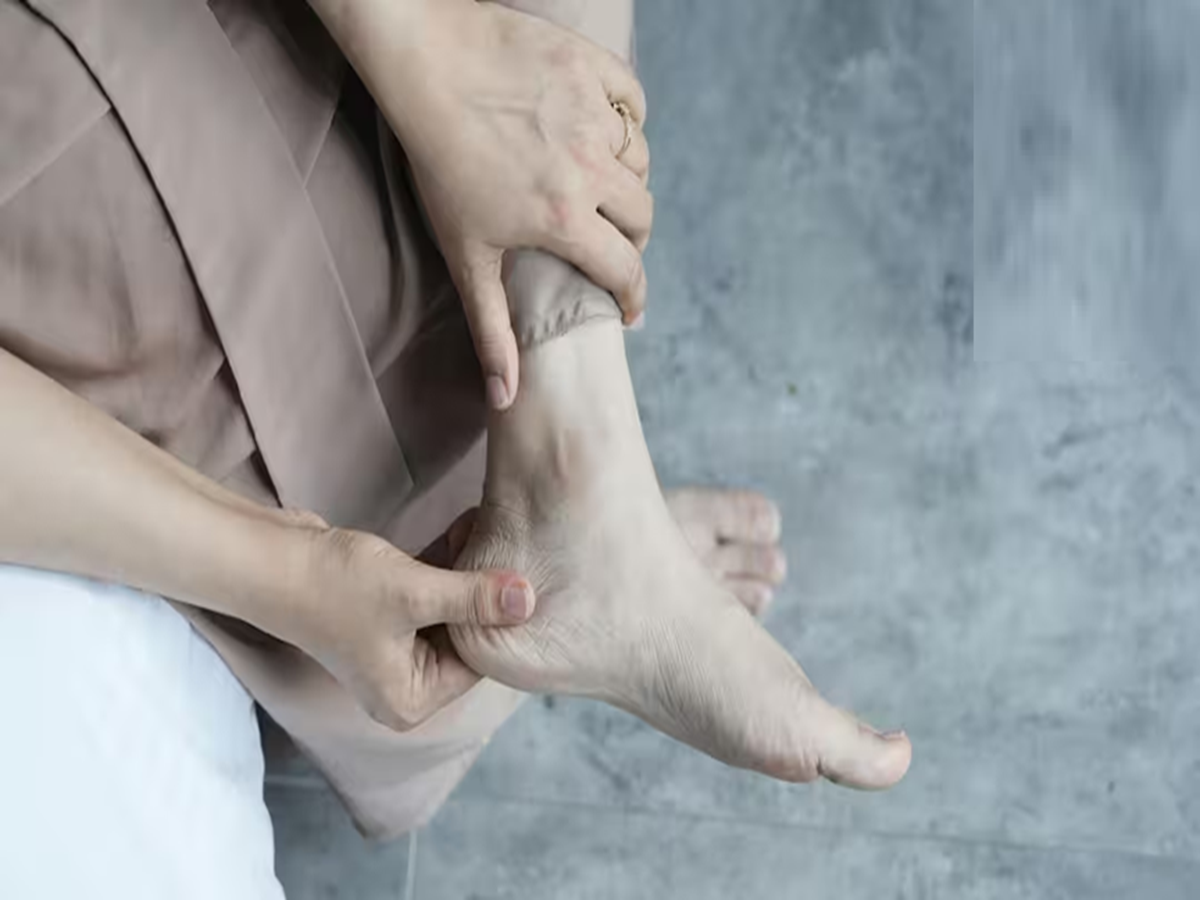
Nail Color Changes Health: Feet often serve as early signaling devices for the body. Cold feet or numbness can indicate poor blood flow or nerve problems.

Signs of body disease in the feet
Early Signs of Health Problems in Feet: You walk on your feet every day, but often only notice them when pain begins. The truth is, small changes in your feet can be a sign of a major problem within the body. Each foot contains 26 bones and over 100 muscles, tendons, and ligaments, which help us balance and walk. Therefore, changes here should not be taken lightly.
What do experts say?
Dr Anuj Chawla, Senior Director, Foot and Ankle Surgery, Fortis Gurugram, told TOI, “Feet bear the entire weight of the body and make our everyday activities possible, yet they are the most neglected.”
What are the signs?
Feet often serve as early signaling devices for the body. Cold feet or numbness can indicate poor blood flow or a nerve problem. Cracked heels or excessively dry skin may be linked to dehydration or a thyroid disorder. Swollen ankles can indicate pressure on the heart, kidneys, or liver. A change in the color or thickness of the nails could indicate a fungal infection or an underlying medical condition.
Indications for diabetes patients
These symptoms become more severe in patients with diabetes. According to Dr. Chawla, nerve damage, reduced blood supply, and changes in the structure of the foot can lead to undetected injuries, leading to increased infections and wounds. If not addressed promptly, gangrene can develop and even require amputation. A study published in the Indian Journal of Endocrinology and Metabolism also shows that diabetes-related complications are rapidly increasing in India, with foot problems becoming a major cause of hospitalization.
Lifestyle is also responsible.
Nowadays, foot problems aren't just related to age; our lifestyles are also a major factor. Sitting for long periods of time reduces blood circulation, wearing the wrong shoes puts pressure on muscles and joints, increasing weight puts extra strain on the feet, and physical activity weakens the feet. Problems like flat feet or high arches are also common, but most people don't realize they exist.
What are the early signs?
The symptoms often start small, such as mild pain, swelling, or blisters. However, if ignored, these problems can become serious. A small wound can develop into an infection, joint stiffness can cause mobility problems, and nerve problems can lead to loss of sensation. Dr. Chawla says that timely diagnosis and treatment are crucial to maintaining long-term mobility. Fortunately, treatment methods have improved, and minimally invasive surgeries have reduced pain and recovery time.
However, daily care is most important. Check your feet daily, wear properly fitting shoes, maintain good hygiene, engage in gentle exercise, and keep your weight and sugar levels under control. Small steps can lead to long-term freedom.