fifa
FIFA World Cup 2026: How Iran's Goalkeeping Wall Frustrated Belgium and Sparked ‘Strait of Hormuz’ Comparisons
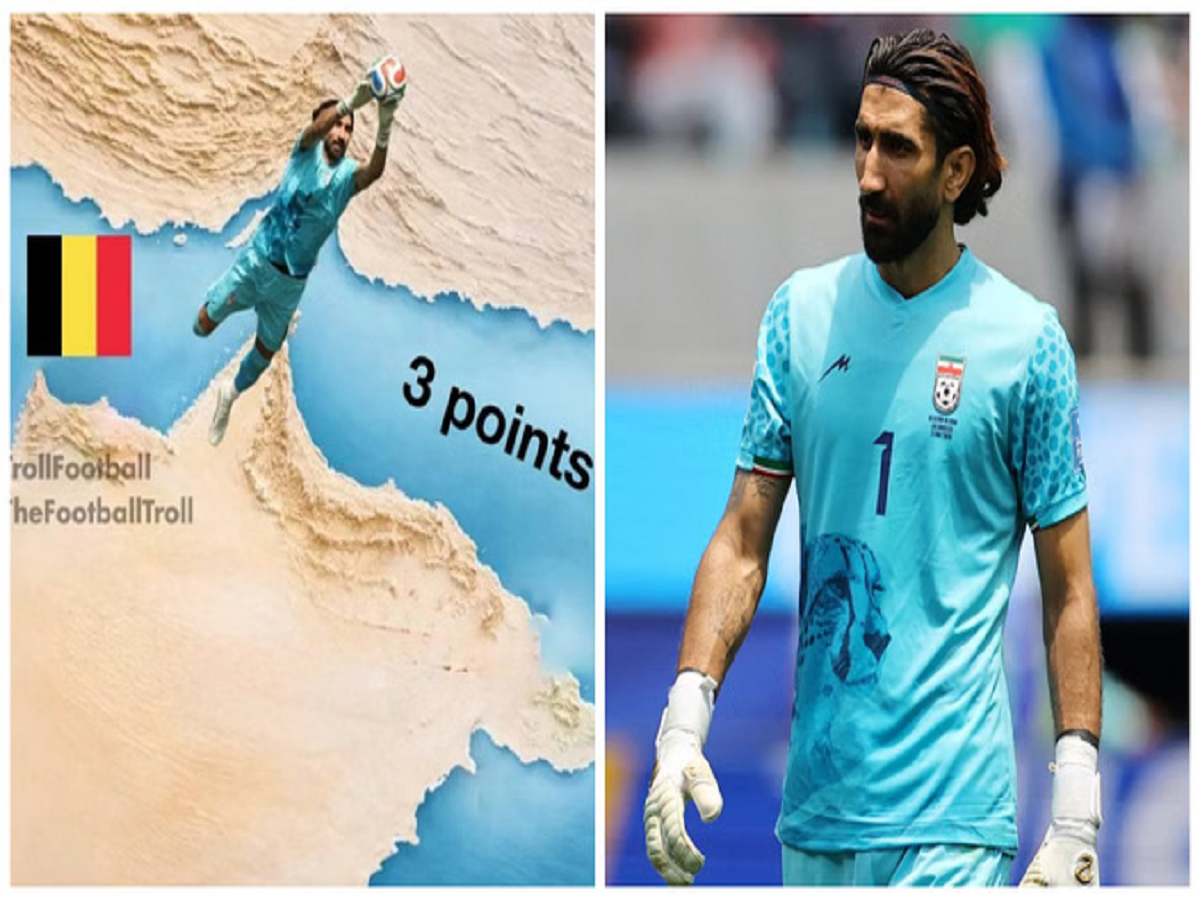
Iran produced one of the standout defensive performances of the FIFA World Cup 2026 after holding Belgium to a hard-fought goalless draw, with goalkeeper Alireza Beiranvand emerging as the undisputed hero of the contest. His exceptional display between the posts not only earned Iran a valuable point but also led to comparisons with the strategically important Strait of Hormuz, a symbol of security and control in Iranian discourse.
The result strengthened Iran's position in Group G and boosted its hopes of progressing to the knockout stages of the tournament.
Beiranvand Delivers a Goalkeeping Masterclass
Playing against one of the world's strongest football nations, Iran faced relentless pressure throughout the match. Belgium dominated possession and created multiple scoring opportunities, but every attempt was met by the brilliance of Beiranvand.
The experienced goalkeeper produced seven crucial saves during the match, including several diving stops and commanding interventions on aerial balls. His performance prevented Belgium from converting their chances and ensured Iran left the field with a clean sheet.
For his efforts, Beiranvand was named the match's best player, underlining the impact he had on the outcome.
Why Is the Strait of Hormuz Being Mentioned?
Following the draw, Iranian state media drew attention to comments Beiranvand had made before the tournament. The goalkeeper had reportedly promised supporters that Iran's goal would be as secure as the Strait of Hormuz.
The comparison carries significant symbolic value. The Strait of Hormuz is one of the world's most strategically important maritime routes, serving as a narrow gateway through which a large portion of global energy supplies pass. In Iranian narratives, it is often associated with strength, protection, and national security.
After Beiranvand's performance against Belgium, Iranian media suggested that he had lived up to that promise by turning Iran's goalmouth into an almost impenetrable barrier.
Iran Came Close to Taking the Lead
Although much of the attention focused on Iran's defensive resilience, the team also posed problems going forward.
In the first half, striker Mehdi Taremi appeared to have given Iran the lead with a well-worked set-piece move. However, a Video Assistant Referee (VAR) review determined that he was marginally offside, leading to the goal being disallowed.
The decision denied Iran what could have been a memorable breakthrough against one of Europe's elite sides.
Red Card Changes the Contest
A major turning point arrived midway through the second half when Belgium defender Nathan Ngoy was shown a straight red card for bringing down Taremi during a dangerous attacking move.
Reduced to ten players, Belgium adjusted its approach and became more cautious for the remainder of the game. Iran attempted to capitalize on the numerical advantage, but neither side was able to find the decisive goal.
The match ultimately ended 0-0, though the scoreline did little to reflect the drama and intensity of the encounter.
More Than Just a Draw for Iran
For Iran, the result represented far more than a single point. Holding a highly ranked Belgian side without conceding demonstrated the team's discipline, organization, and determination on football's biggest stage.
The performance also highlighted the importance of an in-form goalkeeper in tournament football. Beiranvand's heroics gave Iran confidence and momentum as the group stage enters its decisive phase.
With another strong display and valuable points added to their tally, Iran remains firmly in contention for a place in the knockout rounds. If they do advance, many will look back at the draw against Belgium as a defining moment—and at Beiranvand, the goalkeeper who transformed Iran's goal into a fortress when it mattered most.