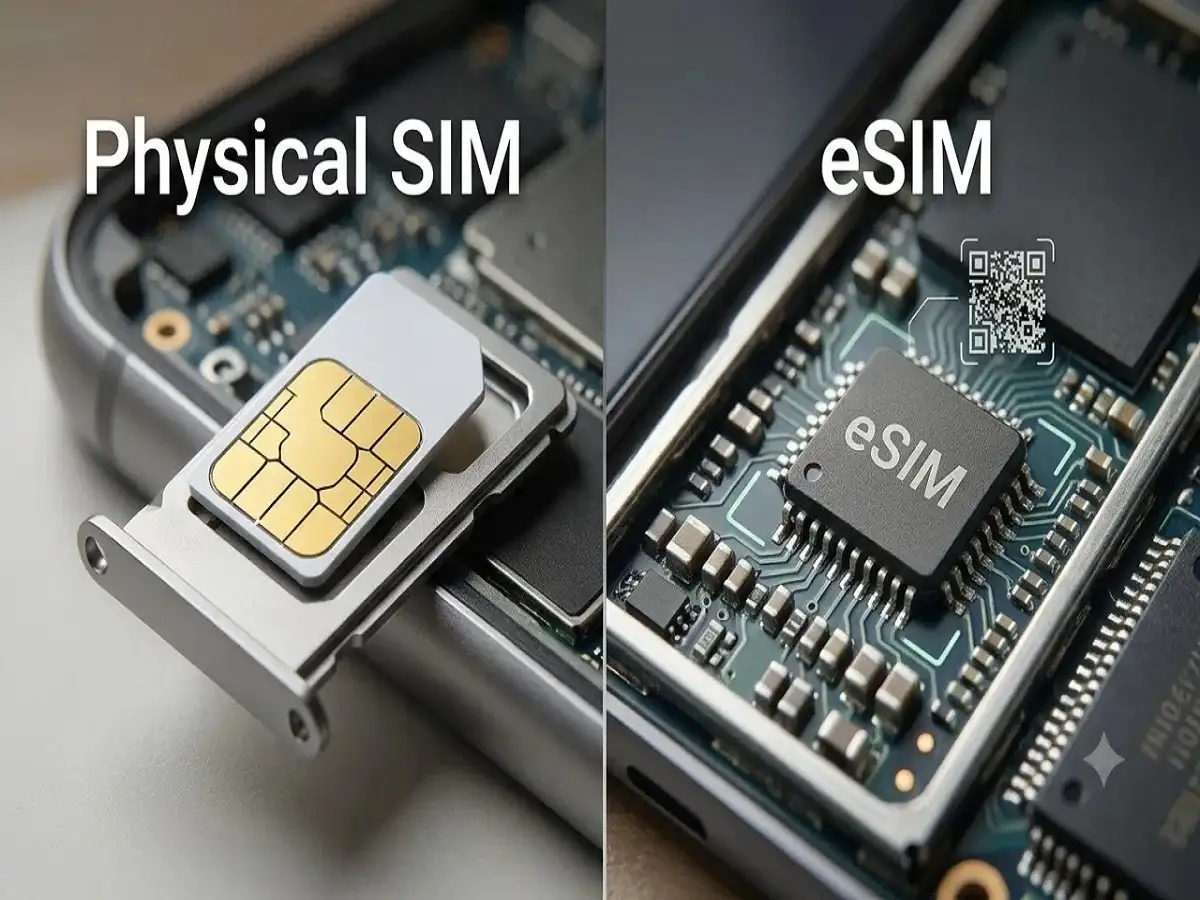
Smartphones have changed dramatically over the past few years, and the way users connect their devices to mobile networks is evolving as well. For decades, inserting a physical SIM card into a phone was the standard way to activate calling, messaging and mobile data services. However, eSIM technology is gradually changing that familiar process.
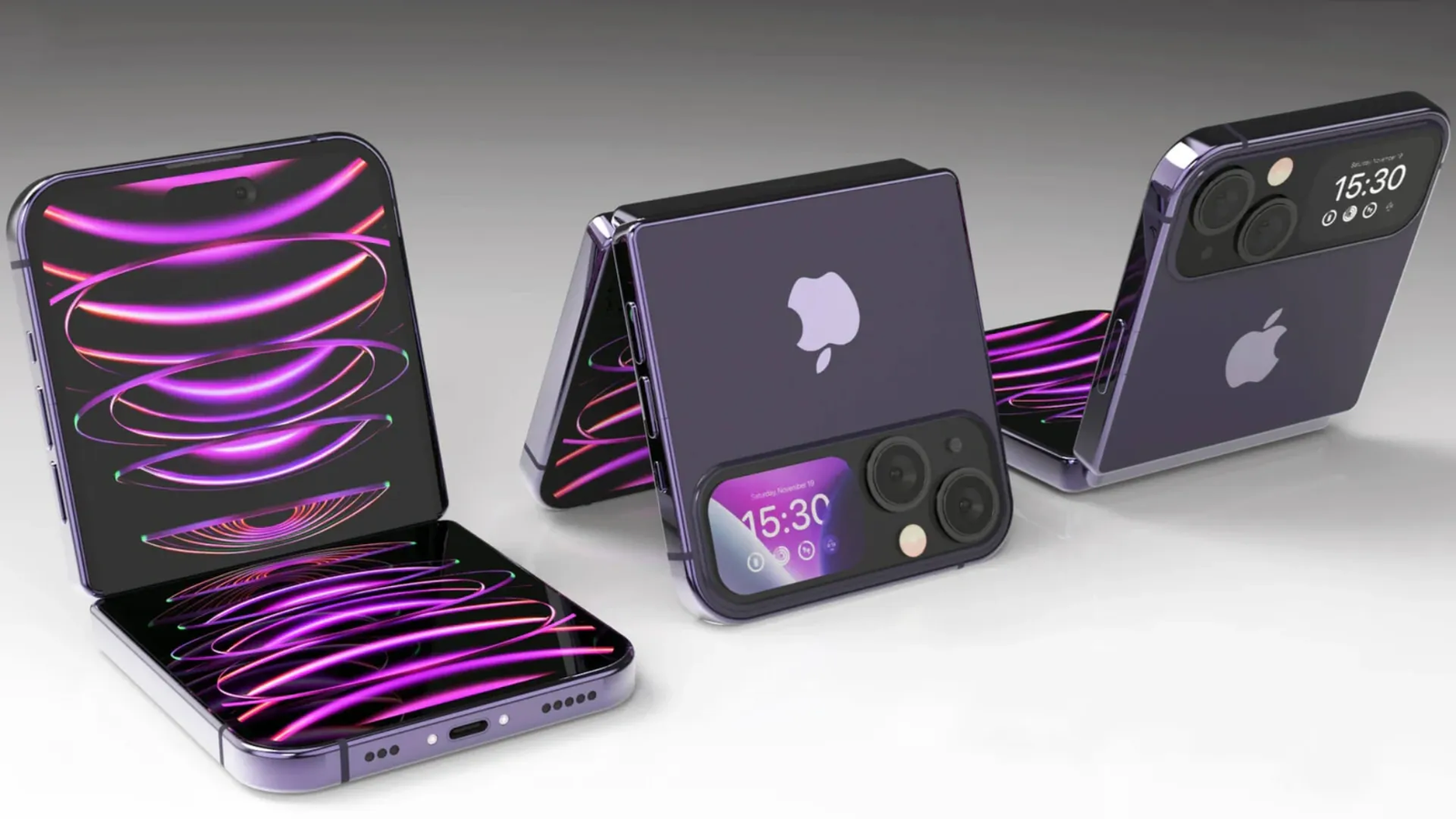
Many modern smartphones, particularly premium models from Apple, Samsung and Google, now support eSIM connectivity. In some markets, manufacturers have even introduced smartphones that rely entirely on eSIM technology without providing a traditional physical SIM card slot.
But does that mean eSIM is automatically better than a physical SIM? Not necessarily. Both options have their own advantages and limitations, and the better choice depends largely on your smartphone, telecom operator, travel habits and how frequently you switch devices.
Here's a detailed look at the differences between eSIM and physical SIM technology.
What Is a Physical SIM?
A physical SIM is the small removable card that has traditionally been used to connect mobile phones to cellular networks.
Users insert the SIM card into a dedicated tray or slot in their smartphone. The SIM contains information that allows the telecom network to identify the subscriber and provide services such as calls, SMS and mobile internet.
One of the biggest advantages of a physical SIM is its simplicity. If you purchase another compatible smartphone, you can usually remove the card from your old device and insert it into the new one within seconds.
This flexibility remains one of the main reasons many consumers continue to prefer physical SIM cards.
What Is an eSIM and How Does It Work?
An eSIM, or embedded SIM, performs essentially the same basic function as a traditional SIM but eliminates the need for a removable plastic card.
Instead, the technology is integrated into the smartphone's hardware. Users activate their mobile connection by installing a digital network profile supplied by their telecom operator.
Depending on the carrier, activation may involve scanning a QR code, using the operator's app or following another digital verification process.
Once activated, users can access calls, messages and mobile data without inserting a physical SIM.
Major Advantages of Using an eSIM
Convenience is one of the biggest attractions of eSIM technology. Since there is no physical card involved, users do not have to worry about inserting, removing, losing or damaging a tiny SIM card.
Compatible smartphones may also allow multiple eSIM profiles to be stored on the same device. This can be particularly useful for people who maintain separate personal and business numbers.
International travellers may also find eSIM useful. Instead of searching for a physical SIM card after reaching another country, travellers can potentially purchase and activate a compatible local or international mobile plan digitally.
Security is another potential advantage. If a smartphone containing a physical SIM is stolen, someone may be able to remove the card. An embedded SIM cannot simply be taken out of the device, although users should still rely on device locks and account-level security protections.
Removing the need for a SIM tray can also give smartphone manufacturers greater flexibility when designing devices. It may free a small amount of internal space and eliminate one physical opening in the phone.
What Are the Disadvantages of eSIM?
Despite its advantages, eSIM is not equally convenient for everyone.
The biggest limitation is compatibility. Not every smartphone supports the technology, particularly older and some budget-oriented devices.
Telecom support can also vary. While eSIM services are becoming increasingly common, activation and transfer procedures depend on the mobile operator and device.
Moving an eSIM connection from one smartphone to another can sometimes require additional steps. Depending on the carrier, users may have to initiate a transfer, download a new profile or complete another activation process.
That can make eSIM less convenient for people who regularly move their mobile connection between different phones.
First-time users may also find digital activation slightly more complicated than simply inserting a physical card.
Why Do Many People Still Prefer Physical SIM Cards?
Physical SIM technology has one major practical advantage: portability.
Suppose your primary smartphone suddenly stops working. With a physical SIM, you can normally remove the card and place it inside another unlocked and compatible device. Your mobile number can then be available without going through a digital SIM transfer process.
This makes physical SIM cards particularly useful for users who frequently change phones or keep a spare handset for emergencies.
Physical SIMs also work with a much broader range of devices, including many older smartphones and basic feature phones.
eSIM vs Physical SIM: Quick Comparison
| Feature | eSIM | Physical SIM |
|---|---|---|
| Physical card required | No | Yes |
| Built into smartphone | Yes | No |
| Easy manual phone switching | Depends on carrier/device | Usually very easy |
| Multiple profiles | Often supported | Requires additional SIM slots/cards |
| Risk of losing SIM card | No | Yes |
| Useful for international travel | Potentially very convenient | Requires physical card replacement/addition |
| Device compatibility | Limited to supported devices | Widely supported |
| Remote/digital activation | Yes | Usually requires a physical SIM |
| Can be physically removed from stolen phone | No | Yes |
eSIM or Physical SIM: Which Should You Choose?
There is no universal winner because both technologies serve different needs.
An eSIM can be an excellent option if you use a compatible smartphone, prefer digital activation, maintain multiple mobile profiles or travel internationally frequently. It also removes the inconvenience of handling tiny SIM cards.
A physical SIM may still be the more practical choice if you frequently switch between smartphones, use older devices or want the ability to move your number quickly to a backup phone.
Users can also benefit from smartphones that support both technologies, allowing them to combine the convenience of eSIM with the flexibility of a removable SIM.
As smartphone technology continues to evolve, eSIM adoption is likely to expand. However, physical SIM cards remain highly practical, meaning the best option ultimately depends on how you use your phone and mobile connection.