LIFESTYLE
Eating salty and fried foods in winter can cause these problems, learn the disadvantages of eating too much salt.
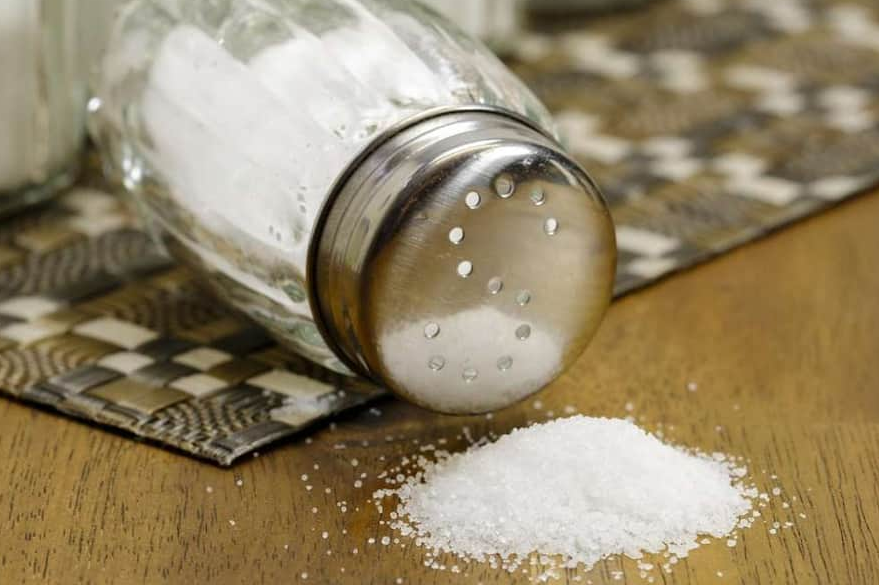
Eating too much salt in winter can cause bone weakness, kidney damage, skin damage, increased risk of high blood pressure, weight gain and water retention.
Disadvantages of consuming excess salt in winter
With the onset of winter, people often crave outside food, including fried and salty dishes like mathri, chips, samosas, hot pakoras, etc. If you mostly eat food from shops and hotels, it can be very harmful to your health, putting you at risk of many diseases.
Nowadays, people are increasingly consuming a variety of street foods, often salty and fried, which can seriously impact your heart and kidney health. Because we tend to reduce physical activity during the winter, our metabolism slows down. Both Ayurveda and science agree that consuming excessive salty foods has a detrimental effect on our health.
Disadvantages of eating too much salt
Bone weakness
Salt is the most important part of Indian kitchen, which we eat every day, but do you know that eating too much salt weakens our bones because excess salt causes calcium deficiency in the body, which is not good for bone strength.
kidney failure
Excessive salt intake has serious effects on our kidneys, slowing down their functioning. This is because human kidneys have to work harder to filter sodium. Therefore, adding too much salt to your daily diet is detrimental to your kidney health.
skin damage
Our skin tends to be dry and dull during the winter. Consuming too much salt disrupts the body's water balance and can further dry out the skin. This can lead to a dull appearance and early appearance of wrinkles.
Risk of increased blood pressure
Excessive salt intake impacts your heart and can lead to high blood pressure. This happens because sodium increases the amount of water in the blood, which increases pressure on the cells.
Weight gain
Fried and fried foods like pakoras, samosas, and chaat are consumed more frequently during the winter. These are also high in salt, and the reduced physical activity during winter can lead to weight gain.
water stagnation problem
Thirst is less common during the winter season. Consuming too much salt can cause water retention in the body, leading to swelling of the face, hands, and feet.