LIFESTYLE
Door Rubbing Floor: Is the door rubbing against the floor? Here's how to fix it without calling a carpenter.
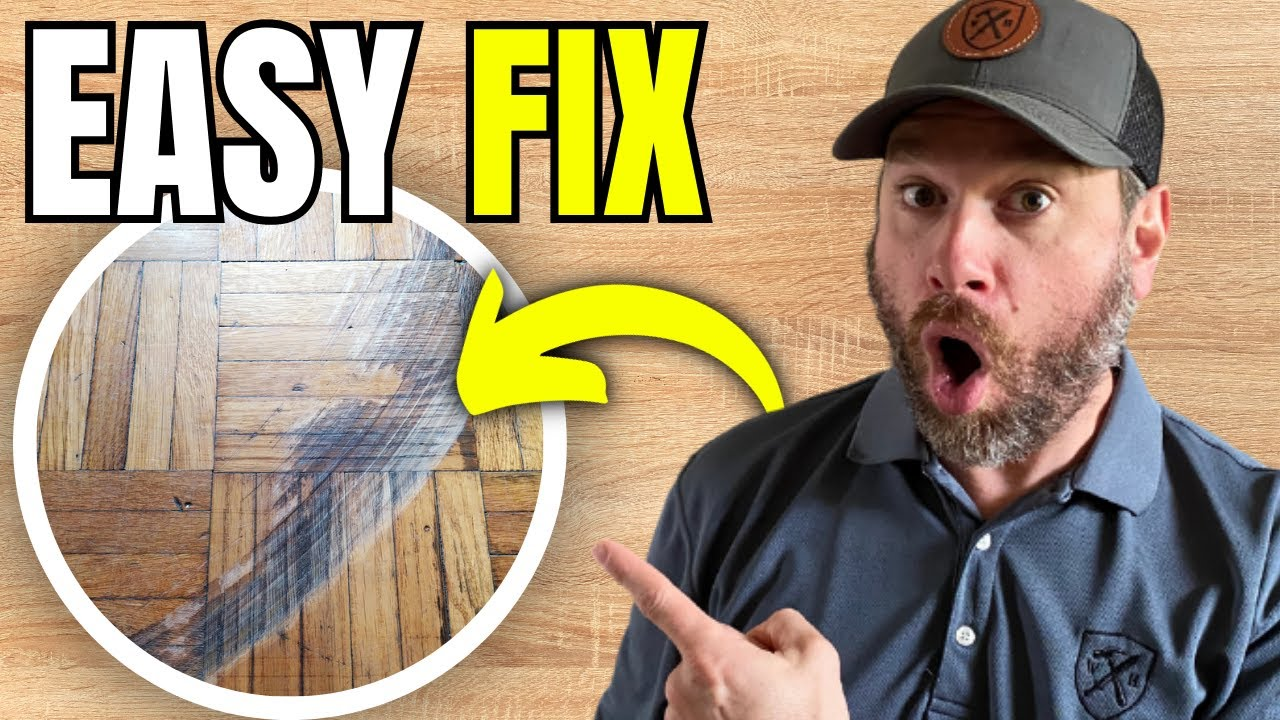
Fix Door Rubbing Floor: First, figure out where the problem is. If the bottom of the door makes a scraping sound against the floor when you close it, and if you feel a rubbing sensation every time you open and close it.
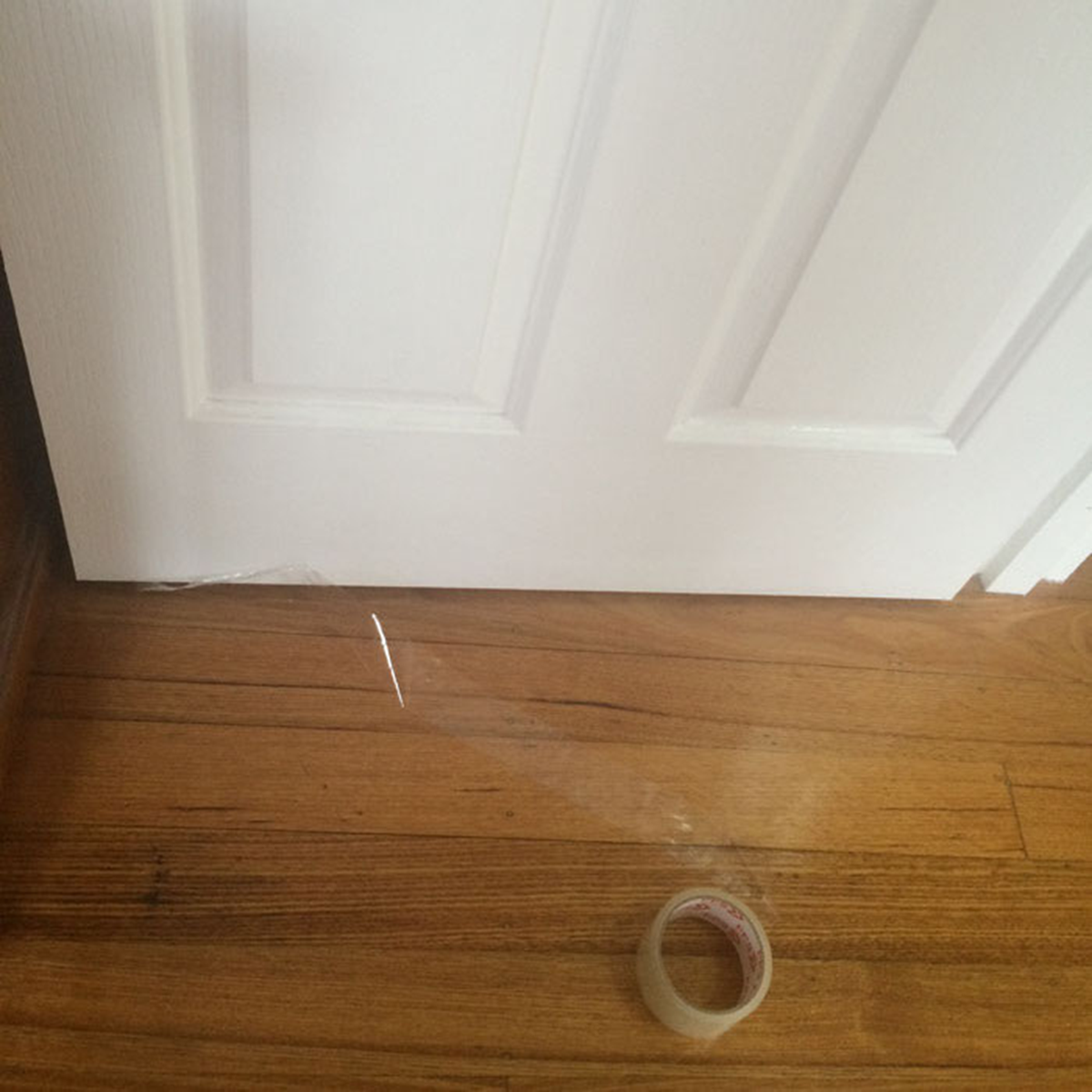
Causes and remedies for door rubbing on the floor
How To Fix A Door That Drags On Floor: If the bottom part of the door starts rubbing against the floor while opening or closing it, then it is not right to immediately rub or cut it, thinking it is just a defect in the door. Sometimes the reason for this is very small, like loose screws on the hinge. In some cases, the wood swells due to increased humidity in the weather, and sometimes the floor level rises after a new floor is installed in the house. Therefore, before fixing the door yourself, it is important to find out why it is rubbing from the bottom.
First, figure out where the problem lies. If the bottom of the door makes a scraping sound against the floor when you close it, and you feel a friction every time you open and close it, there could be several reasons. These include loose or worn hinges, wood swelling due to moisture, slight changes to the home's structure, increased height due to new flooring, and excessive weight on the door.
The most common cause could be loose hinges.
Door hinges can become loose over time. The repeated opening and closing of a door every day can gradually loosen the screws holding the hinges in place. This can cause the door to sink a few millimeters, causing its bottom edge to rub against the floor. If a door that was previously working fine suddenly starts to sag at the bottom, the first thing you should do is check the hinges.
The problem may increase during the monsoon season
Wood absorbs moisture. Increased humidity during rain or monsoons can cause a wooden door to swell. This can cause the door to not only rub against the floor but also stick to the frame, often preventing it from closing properly. This problem is especially common on wooden doors that have not been properly sealed or finished.
If you have installed a new floor, this could also be the reason.
If you've recently installed tile, marble, or laminate flooring over old flooring, the floor height may have increased. A door that previously had adequate space underneath may be rubbing against the new flooring. In such a case, it's important to check that the problem isn't actually caused by the increased floor height before immediately cutting down the door.
Can also put more weight on the door below
Many people attach clothes hooks, towel hangers, or over-the-door organizers to the door. The added weight of these items can gradually pull the door downward, causing one side of the door to sink and the bottom edge to rub against the floor.
Identify the real problem in a minute like this.
Before repairing a door, perform a simple test. Close the door and check the gap between the frame and the door all around. If the gap appears larger at the top and narrower at the bottom, the door may be sagging. If the gap is too narrow all around, the wood may be bulging. Then, try lifting the door slightly by the handle. If the door wobbles up and down, the hinges may be loose. Another simple method is to slowly open and close the door and observe where it rubs against the floor. This will help identify the problem area.
Tighten the hinge screws first.
If the problem is a loose hinge, there's no need to cut or sand the door. First, tighten all the screws on the top hinge, as this is the part that bears the bulk of the door's weight. Then, tighten the bottom hinge securely. If a screw keeps turning but won't tighten, the screw hole may be loose. In this case, instead of simply tightening the screw, you may need to adjust the hole's grip.
If a small adjustment is needed, a thin shim can be placed behind the hinge using thin cardboard. Applying a thin layer behind the hinge can slightly adjust the door's position. This method can be useful for minor alignment issues.