If the skin of the breast suddenly appears sunken or pulled inward, it could be a sign of concern. Experts explain that this happens when the tissue beneath the skin begins to pull inward.
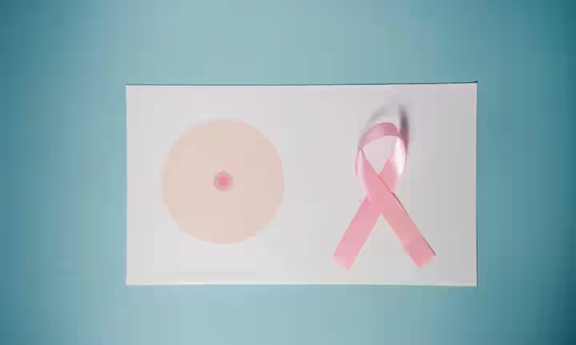
Breast cancer has become a major cause of cancer deaths among women worldwide. According to the Cancer India Organization, one in two women in India dies from breast cancer every year. According to the WHO, approximately 670,000 people worldwide will die from breast cancer in 2022. Experts say that if early symptoms are identified early, treatment can be easier and the risk of death can be reduced. So, let us tell you today which five skin changes you should not ignore, as they could be breast cancer.
1 /5
If the skin of the breast suddenly appears sunken, dimpled, or pulled inward, it could be a cause for concern. Experts say this occurs when the tissue beneath the skin begins to pull inward. Sometimes, this condition is painless and lump-free. However, ignoring it can be dangerous.
2 /5
Redness or warmth of the breast skin is often mistaken for a rash, allergy, or infection. However, if the redness persists after some time or gradually spreads, it's important to see a doctor. Experts advise that redness that doesn't respond to normal treatment should be evaluated.
3 /5
If a breast suddenly feels heavy, enlarged, or tight, or if its skin thickens and wrinkles, resembling an orange peel, this could be a serious sign. If such swelling or thickening occurs without any injury or infection, it's important to seek medical advice immediately.
4 /5
According to experts, spontaneous bloody discharge from the nipple without medication is a serious sign. Especially if the problem occurs in only one breast and is not associated with pressure or squeezing, you should immediately consult a doctor.
5 /5
Persistent dryness, flaking, peeling, or sores on the nipple or breast skin are often mistaken for normal skin problems. However, experts say that in some cases, it may be linked to breast cancer, so testing is essential in such conditions.