NEWS
Digital Safety For Children: The internet world is a trap for children; teach them these safety rules before the age of 13.

Cyber Safety For Children: Children are connecting to the internet at younger ages than ever before. They easily learn to watch videos, play games, and use social media.
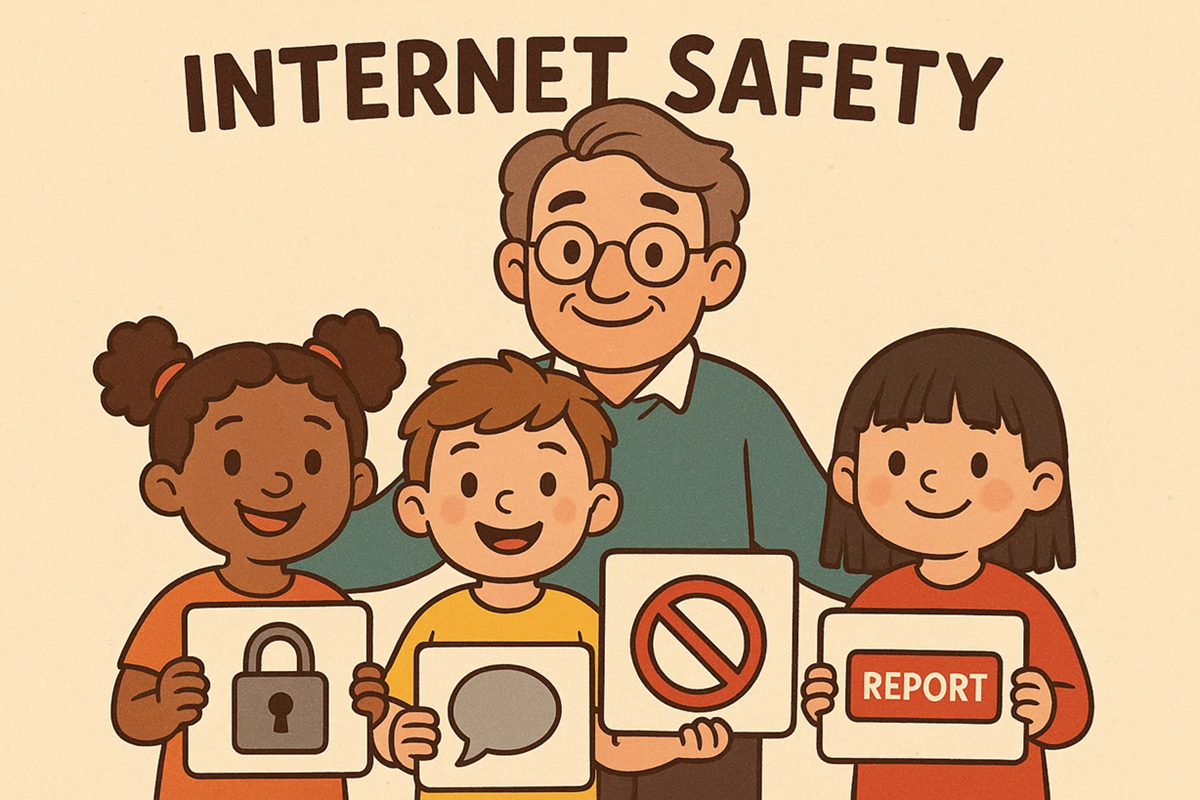
Teach your children these digital safety rules before they turn 13.
Digital Safety Rules Every Parent Should Teach Before Age 13: Today, children are connecting to the internet at a younger age than ever before. Using mobile phones, tablets, and smart TVs, they easily learn to watch videos, play games, and navigate social media. However, using technology and staying safe in the digital world are two different things. This is why it's crucial to teach children some important digital safety rules before the age of 13.
What should be explained to children first?
First, it's important to teach children that not everyone on the internet is who they appear to be. Sometimes, people may pose as friends, gamers, or acquaintances to gain children's trust. Therefore, children should be taught not to accept friend requests from strangers and to avoid sharing personal information in private chats.
Teach children to avoid these things.
Preventing online fraud is also an important part of digital education. Clicking on an unknown link, downloading a suspicious file, or scanning a QR code without thinking can often lead to trouble. Children should be taught to verify any message claiming a reward, a free gift, or an important warning with an adult.
Awareness about the internet
It's also important to educate children about the content they share online. Many children believe that a photo, video, or message disappears forever after deleting it, but this isn't the case. Screenshots or saved copies can leave content lingering. Therefore, children should always be advised to think carefully before posting.
Refrain from giving information.
Digital safety is a key principle related to protecting personal information. Children often don't understand that even small details like their name, school name, phone number, home address, or location can pose a risk. Therefore, they should make it a habit to consult a parent or trusted adult before providing such information to any app, website, or online game.
Refrain from scolding
Most importantly, if any online message, photo, video, or conversation makes them feel uncomfortable, they should immediately inform their parents, teachers, or a trusted adult. Sometimes, children hide such information out of fear of being scolded or having their mobile phone taken away, which can worsen the problem. Experts believe that digital safety isn't a one-time lesson. It's an ongoing process, and parents should regularly discuss it with their children.