LIFESTYLE
Chili Powder Purity Test: Even after adding red chili, the spiciness is not coming in the vegetable; is it fake powder?
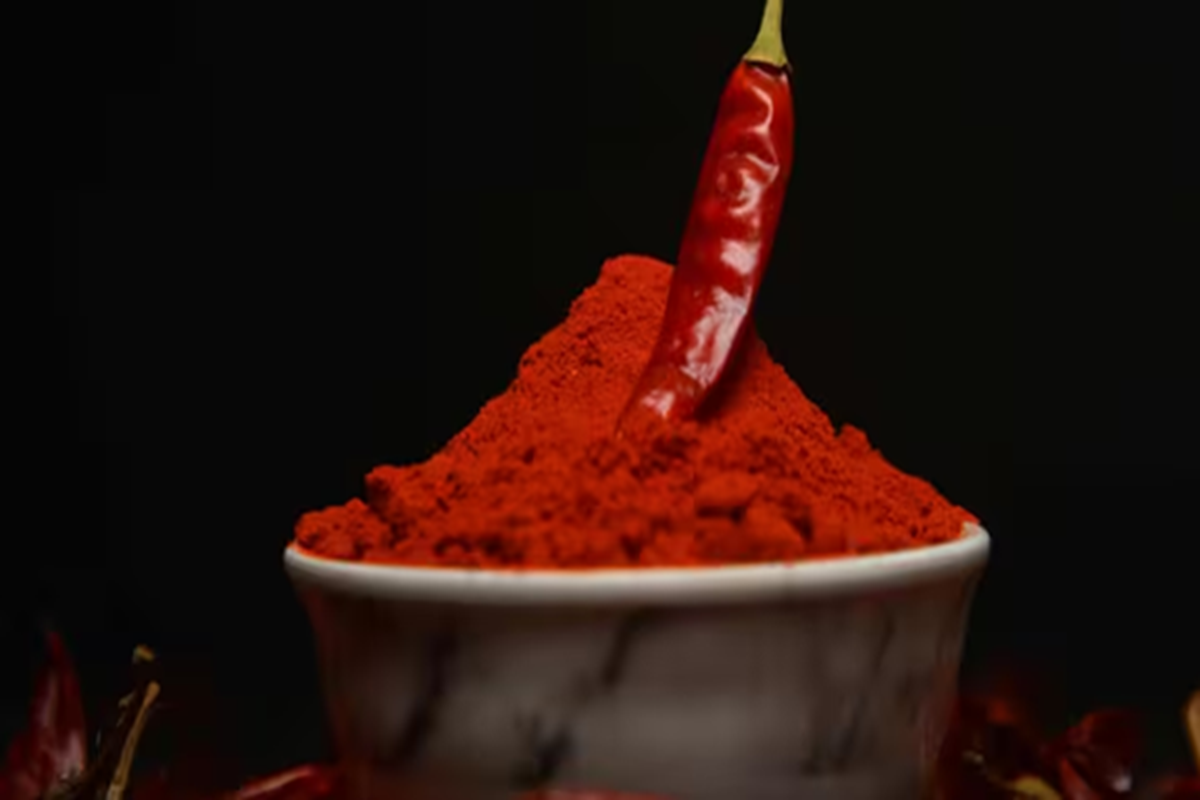
Chili Powder Purity Test: Due to adulteration of red chili powder, vegetables often lack the spiciness or the proper color. Therefore, it is important to learn to distinguish between real and fake chili powder.
Whether it's a hot vegetable, a dal tadka, or a spicy chaat, red chili powder is considered the lifeblood of every Indian kitchen. However, sometimes, even after adding plenty of red chili to a vegetable, it lacks color or spiciness. This raises the question: is the red chili powder you're using fake? Adulteration of spices has become rampant these days, and red chili powder is no exception.
Advertisement: 0:01Close Player
1 /7
Many stores mix brick dust, dyes, soap-like powder, or even starch into red chili powder to make it appear redder and heavier. While it may look exactly like real chili, it can be harmful to health, spoiling the taste of food. This is why people need to be more cautious when purchasing spices.
2 /7
Be cautious if your vegetable turns a bright red color as soon as you add chili. Often, due to the addition of artificial colors, chili begins to dissolve quickly in water or oil. Genuine red chili powder doesn't dissolve easily in water, while adulterated chili powder turns the water red. You can perform a simple test at home. Take half a glass of water and add a little red chili powder. If the water turns red quickly, it's likely adulterated.
3 /7
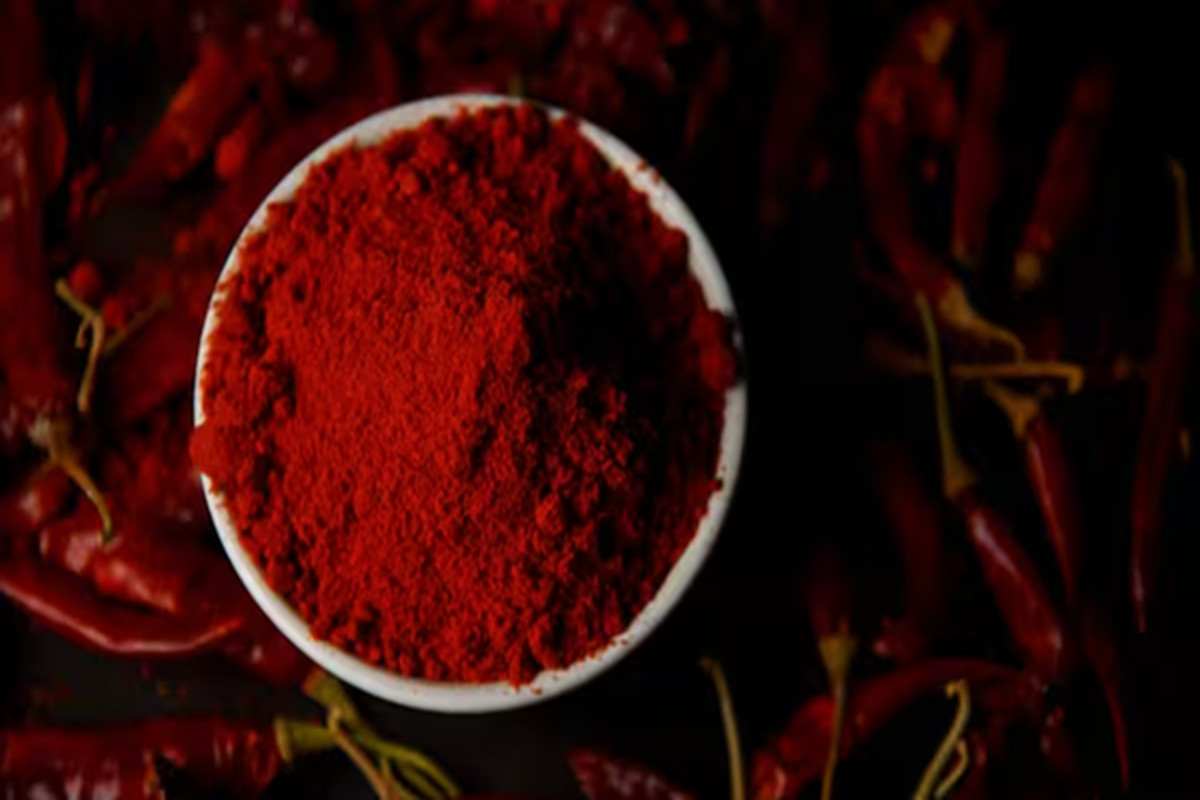
It's easy to determine if chili powder contains brick dust or sand. Soak a teaspoon of chili in a glass of water and let it sit for a while. Then, gently rub the remaining residue in your hand. If you feel a gritty feeling, it could be mixed with brick or sand. This adulteration not only spoils the taste but can also harm the stomach and intestines.
4 /7
Sometimes, a soap-like substance is added to red chili powder to increase its weight. This can be easily tested at home. Mix chili powder with water and rub the settled portion on your palm. If there is a greasy or soapy feeling, the chili is not pure. Consuming such chili can have adverse effects on your health.
5 /7
Some people also add starch to chili powder. To identify this, add a few drops of iodine solution to the chili powder. If it turns blue, it means starch is present. This method is also recommended in food safety reports.
6 /7
In the past, people used to buy whole red chilies and grind them at home, so the possibility of adulteration was less. However, the use of packaged spices has increased. Therefore, greater caution is needed when purchasing cheap and loose chilies. Try to buy spices only from trusted brands or clean stores. Chilies that are too bright red should also be avoided.
7 /7
The taste of a kitchen isn't just about spices, but also about their purity. So, next time you add chili to your curry and still don't feel the spiciness, don't blame your taste buds. It's possible your red chili is fake. A little caution will save both the taste of your food and the health of your family.