LIFESTYLE
Artificial Sweeteners: Study reveals that the sweetness of cold drinks and chewing gum is damaging the heart and brain.

Artificial Sweeteners Side Effects: A 2025 study in Biomedicine and Pharmacotherapy looked at the effects of aspartame on rats. Even low doses caused thickening of the heart muscle, leading to heart weakness.
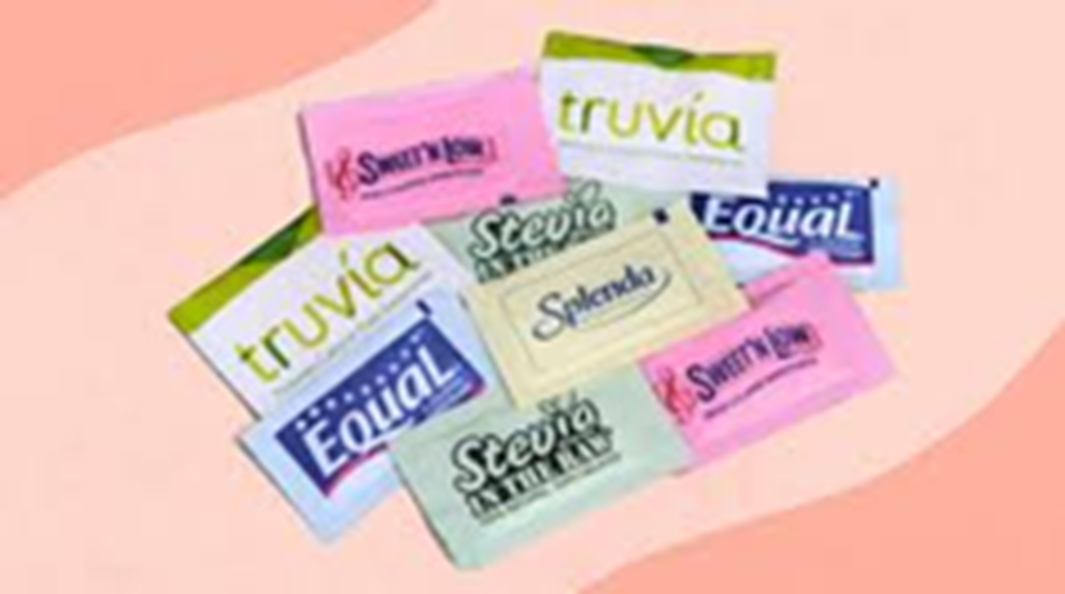
How dangerous are sugar-free products?
Questions are always raised about the artificial sweeteners used in cold drinks, sugar-free chewing gum, and diet products. But now a study has revealed something that will scare you. In fact, the latest study from 2025 revealed that the sweetness in cold drinks and chewing gum is increasing heart disease and reducing brain function. Sweeteners such as aspartame, erythritol, and xylitol increase the risk of heart inflammation, heart attack, and stroke. Let's explain this in detail.
What are artificial sweeteners?
It's worth noting that artificial sweeteners are up to 200 times sweeter than sugar, but they contain very few calories. These include aspartame (in Diet Coke and sugar-free products), erythritol and xylitol (in sugar-free gum, candy, and toothpaste), sucralose, and saccharin. They are found in diet soda, chewing gum, yogurt, bakery items, and many packaged foods.
How do they harm the heart?
A 2025 study in Biomedicine and Pharmacotherapy examined the effects of aspartame on rats. The findings revealed that even low doses thickened the heart muscle, weakening the heart. Meanwhile, studies from the Cleveland Clinic (2024-2025) found that erythritol and xylitol bind to blood platelets, leading to blood clots. These clots can travel to the heart or brain, causing heart attacks or strokes. Excessive consumption of aspartame increases the risk of heart attacks by up to 50 percent.
According to Dr. Mohit Gupta, professor of cardiology at GB Pant Hospital in Delhi, sweeteners like erythritol and xylitol increase blood clotting. These are common in sugar-free products but increase heart risk. Patients with diabetes are at higher risk.
How does it affect the brain?
A September 2025 study in the journal Neurology, which followed 12,700 people for eight years, found that memory and thinking abilities declined more rapidly in those who consumed more sweeteners. Memory impairments of over 62 percent were observed. In those under 60, verbal fluency and cognition were significantly affected.
These are the methods of protection
- Read labels: Check sweeteners in sugar-free or diet products.
- Use less: Choose natural sweeteners like fruits and honey.
- Doctor's advice: Consult a doctor if you have diabetes or heart problems.
- Balanced diet: Drink more water, eat fruits and vegetables.
- Focus on fitness: Exercise and get good sleep.