
During Ramadan, you can teach children that fasting isn't just about fasting. You can explain to them that fasting doesn't just mean abstaining from food and drink from sunrise to sunset.
Ramadan is often thought of as a month of fasting, but for children, it can mean much more than just fasting. This month provides an opportunity to teach children about patience, empathy, history, and belonging. Children observe early mornings, the silence throughout the day, preparations for Iftar, and night prayers during Ramadan, and ask questions. Parents' responses to their questions profoundly influence their understanding of religion. So, let us share five important things about fasting that can be taught to children during Ramadan.
1 /5
During Ramadan, you can tell children that Ramadan isn't just about fasting. You can explain to them that fasting doesn't just mean abstaining from food and drink from sunrise to sunset. Its true message is self-control. It teaches them how to control anger, avoid negative thoughts, and cultivate patience. In simple terms, you can explain to children that Ramadan is a month of disciplining the mind and heart.
2 /5
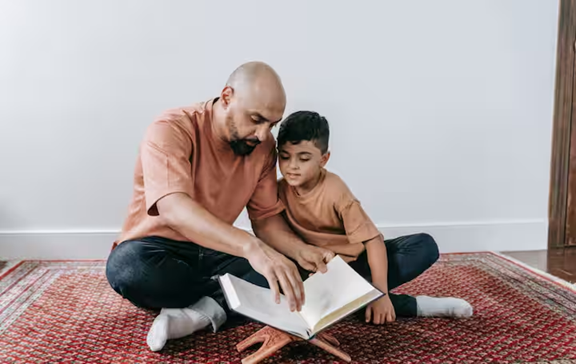
Additionally, you can explain to children that Ramadan is considered special because it was during this month that the verses of the Quran were first revealed to the Prophet Muhammad. By explaining this to children, they understand that Ramadan is not just a time for worship, but also an opportunity for learning and reflection. All of this connects them to their history and faith.
3 /5
During Ramadan, tell your children that the feeling of hunger during fasting helps them understand the suffering of others. Many people in the world go hungry every day, so even a few hours of hunger teaches children why it is important to help the needy. This is why emphasis is placed on giving zakat and sadaqa during Ramadan. You can also involve children in small, charitable acts during Ramadan. For example, children can help pack food, donate toys, or contribute from their pocket money.
4 /5
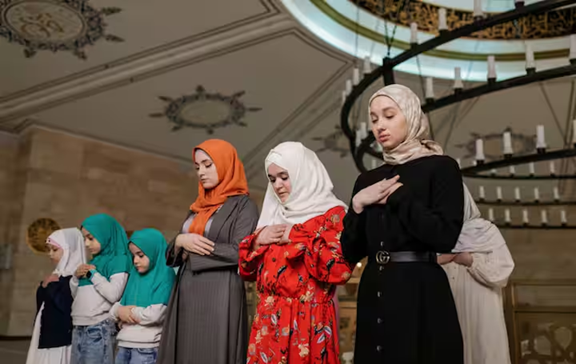
Furthermore, during Ramadan, it's crucial for children to understand that fasting becomes mandatory after they reach adulthood. Even if young children do fast, it's by choice and under parental supervision. Islam prioritizes health and well-being. Fasting is not mandatory for pregnant, sick, elderly, or traveling individuals. This helps children understand that religion also involves compassion and understanding. It doesn't ignore human limitations and respects the body. This understanding alleviates guilt, replaces pressure with patience, and teaches them that participation can take many forms, such as helping with Iftar preparations, praying, or performing good deeds.
5 /5
The month of Ramadan ends with Eid al-Fitr. For children, Eid is a day of new clothes, sweets, and family celebrations. But it also honors the hard work, patience, and devotion of the month. In this way, children can be taught that Eid is not just a festival but a symbol of kindness, compassion, and the joy of prayer.