
NEWS
Smugglers used to bring oil from conflict-ridden countries and sell it at sea; ICG busted the racket.
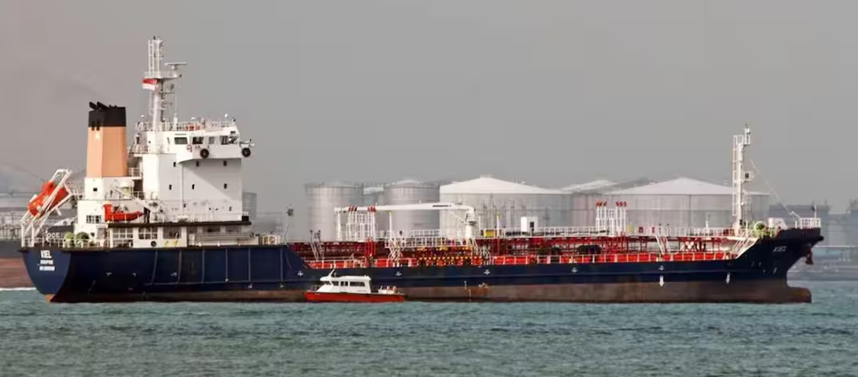
The smuggling gang used to bring large quantities of cheap oil and oil-based goods from conflict-affected countries and transfer them to motor tankers mid-sea in international waters, and make huge profits.
The Indian Coast Guard has taken major action against an international oil smuggling gang.
The Indian Coast Guard (ICG) conducted a daring mid-ocean operation on February 6, 2026, and busted a major international oil and oil-based cargo smuggling ring. The operation was carried out using a combined network of maritime and aerial surveillance.
According to the Coast Guard, the smuggling ring brought in large quantities of cheap oil and oil-based cargo from conflict-affected countries, transferred it to motor tankers mid-sea in international waters, and reaped substantial profits. The network involved handlers in multiple countries who coordinated the transactions and transfers between vessels.
How was this smuggling racket busted?
The ICG intercepted three suspicious vessels approximately 100 nautical miles west of Mumbai on 5 February 2026. The specialist boarding team conducted a thorough search of the vessels, cross-checked onboard electronic data and documents, and interrogated the crew to establish the entire modus operandi and chain of events of the smuggling operation.
The ICG detected suspicious activity of a motor tanker in the Indian Exclusive Economic Zone (EEZ) through technical surveillance systems. Subsequently, through digital investigation and data pattern analysis, two other vessels were identified that were illegally transferring oil-based cargo at sea and evading taxes and duties from coastal countries, including India.
To avoid the law, they used to hide their identity; the owner was a foreigner.
On February 5th, special ICG teams boarded the vessels and, after verifying digital evidence, apprehended the three. Preliminary investigations revealed that these vessels frequently changed their identities to evade the law and that their owners reside in foreign countries.
The Coast Guard stated that the seized vessels may be brought to Mumbai for further investigation and processing, where they will be handed over to Indian Customs and other law enforcement agencies. This operation was made possible through digital surveillance and an increased Coast Guard presence at sea, which is considered a key step towards ensuring compliance with international maritime regulations.