
LIFESTYLE
Mouth Cancer In Young Adults: Oral cancer is spreading rapidly among non-smokers; never ignore these symptoms.
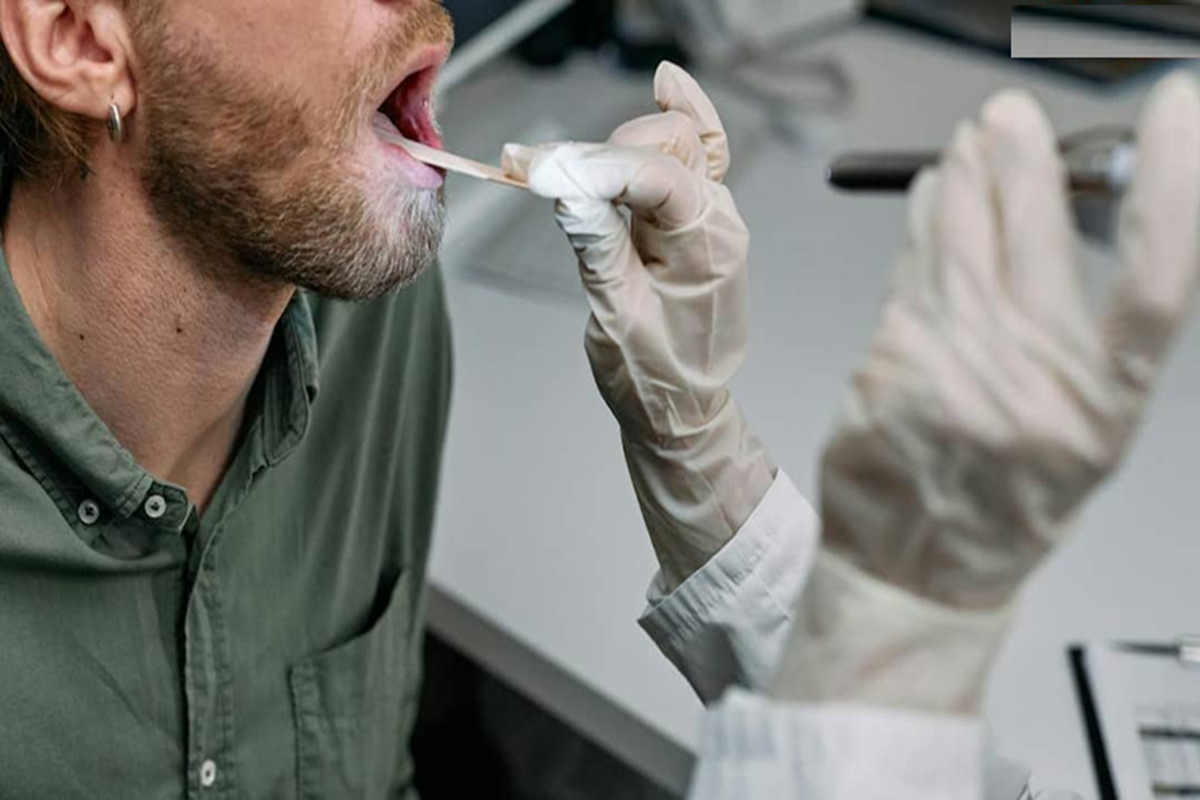
Mouth Cancer Awareness: Mouth cancer has long been considered a disease that occurs mostly in older men, especially those who have smoked cigarettes or tobacco for a long time.

Why is oral cancer increasing in non-smokers?
Why Are Non-Smokers Getting Mouth Cancer? For many years, oral cancer was considered a disease that mostly affected older men, especially those who had smoked cigarettes or tobacco for a long time. But now, doctors in India are seeing a very worrying change. Young men in their 20s and 30s, many of whom have never smoked, are arriving at the hospital with advanced-stage oral cancer.
Are non-smokers also becoming victims?
Some are extremely fitness-conscious, others have never touched a cigarette. Many are just starting their careers or are newly married. Despite this, the number of cases seen by doctors continues to rise. India already has one of the highest rates of oral cancer in the world. According to the Indian Council of Medical Research, oral cancer remains one of the most common cancers in the country due to the widespread use of tobacco and betel nut-based products. However, doctors now say that the risk is no longer limited to smoking; its nature has changed.
Misunderstanding among people about this
Dr. Akshat Malik, senior consultant and head and neck oncology expert at Apollo Hospitals, told TOI that the biggest misconception among young people is that smoking cigarettes alone causes oral cancer. He said, "Earlier, oral cancer was considered a disease of older men who had been smoking for a long time. But now, cases are rapidly increasing among people under the age of 40, including a large number of non-smokers."
Which things are dangerous to consume?
Doctors say that many young people today are replacing cigarettes with products like gutkha, khaini, pan masala, betel nut, and paan. These items are considered socially and culturally normal, so people don't consider them harmful. However, according to medical experts, these habits can prove extremely dangerous. Dr. Malik explains that most oral cancer patients don't smoke cigarettes, but rather use other forms of tobacco, such as gutkha, khaini, pan masala, betel nut, or paan.
How can there be harm?
These substances remain in contact with the gums and inner cheeks for a long time, causing continuous damage to the cells. The biggest problem is that many people do not even consider themselves tobacco users, so they are not aware of their risks. Furthermore, even small problems occurring inside the mouth can become a major threat, such as a broken tooth that repeatedly injures the tongue, poorly fitting dentures, long-term infections, or poor oral hygiene. People often ignore these things, but persistent inflammation and sores can gradually lead to cancer.
Is the danger spreading rapidly among the youth?
The most worrying thing is that oral cancer in young people can spread more rapidly. According to Dr. Malik, "We believe that oral cancer in young people is more aggressive and can spread faster." Doctors say that the biggest risk in this disease is late detection. Early symptoms often seem minor, such as a lingering sore in the mouth, white or red spots, burning sensation while eating, difficulty swallowing, or a lump in the neck. People ignore these symptoms thinking they are normal.