LIFESTYLE
Health Insurance Alert: Smoke or Drink Alcohol? Hiding It Could Affect Your Premium or Claim
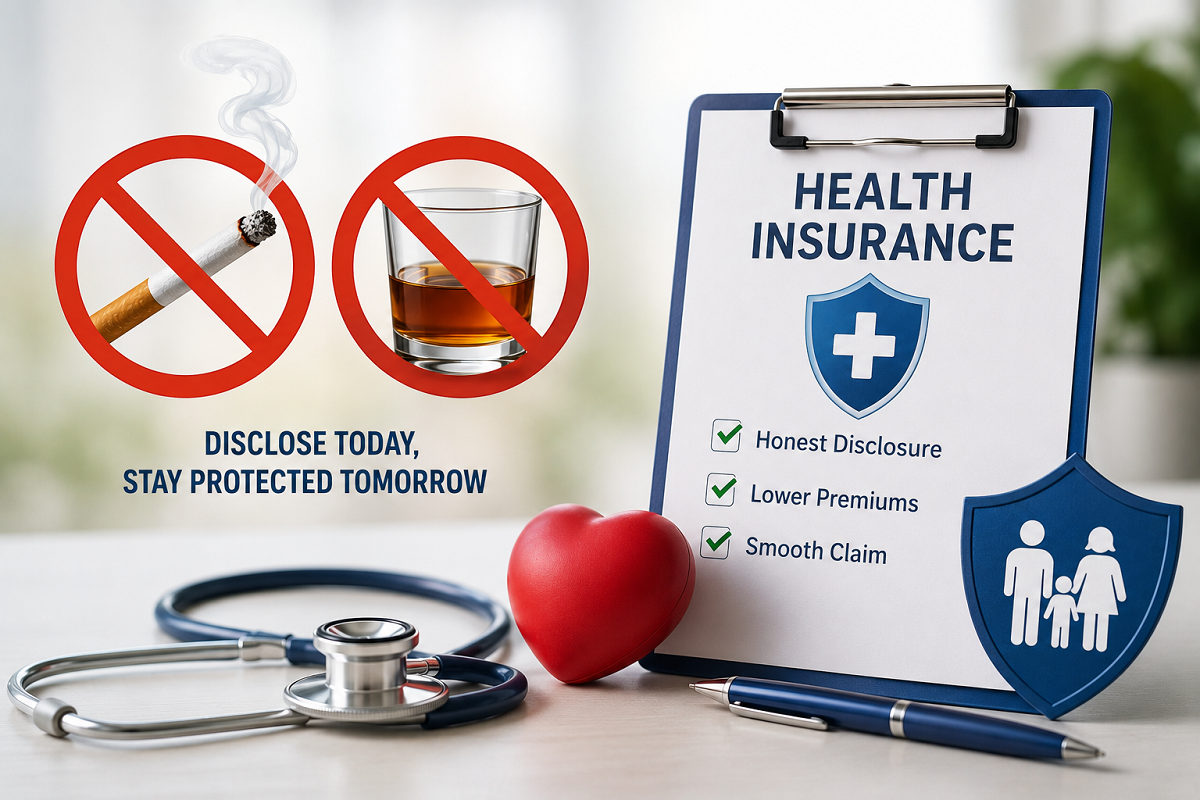
Insurance companies assess lifestyle habits while issuing health policies, and failing to disclose smoking or alcohol consumption may create problems during claim settlement
When purchasing a health insurance policy, most people compare premiums, hospital networks, and coverage limits. However, one factor that often receives less attention is the applicant's lifestyle. Habits such as smoking and regular alcohol consumption play an important role in how insurers evaluate health risks.
Insurance providers use this information to calculate premiums, determine policy terms, and assess overall risk. More importantly, failing to disclose these habits accurately at the time of purchasing a policy may create complications when a claim is filed.
Here's how smoking and alcohol consumption can influence your health insurance policy.
Why Smoking Can Increase Health Insurance Premiums
Smoking is widely associated with a higher risk of developing serious medical conditions, including:
- Heart disease
- Stroke
- Lung disorders
- Various forms of cancer
- Chronic respiratory illnesses
Because smokers are statistically more likely to require medical treatment, insurance companies generally classify them as higher-risk customers.
As a result, smokers may be charged higher premiums than non-smokers for the same level of health insurance coverage.
The final premium depends on several factors, including:
- Age
- Medical history
- Existing health conditions
- Frequency and duration of tobacco use
- Results of medical examinations, if required
Some insurers may also request additional health screenings before issuing the policy.
How Alcohol Consumption Affects Your Policy
Drinking alcohol does not automatically lead to a higher insurance premium.
Instead, insurers usually assess:
- Frequency of alcohol consumption
- Quantity consumed
- Overall health condition
- Medical history
- Potential health risks linked to alcohol use
Heavy or long-term alcohol consumption may increase the likelihood of liver disease, cardiovascular disorders, and other medical conditions. If medical underwriting identifies elevated health risks, the insurer may decide to charge a higher premium or apply specific policy conditions.
Even occasional alcohol consumption should be disclosed honestly if requested in the proposal form.
Why Honest Disclosure Is Essential
One of the most important principles while purchasing health insurance is complete and accurate disclosure.
Applicants are generally required to provide truthful information about:
- Smoking habits
- Tobacco consumption
- Alcohol use
- Existing medical conditions
- Previous treatments and hospitalizations
Providing accurate information enables insurers to evaluate the risk correctly and issue the policy under appropriate terms.
Can Hiding Lifestyle Habits Affect Your Claim?
Simply being a smoker or consuming alcohol does not automatically result in claim rejection.
The real issue arises when an applicant intentionally withholds or misrepresents information during the policy application.
If an insurer later discovers that smoking or alcohol consumption was not disclosed despite being specifically asked, it may:
- Conduct a detailed investigation.
- Delay claim processing.
- Seek additional medical evidence.
- Examine whether the non-disclosure influenced the underwriting decision.
Depending on the policy terms, applicable regulations, and the facts of the case, non-disclosure could affect claim settlement.
For this reason, applicants should answer all proposal form questions truthfully.
Does Every Smoker Pay Higher Premiums?
In many cases, yes.
Since smoking is associated with higher long-term health risks, insurers often charge smokers a higher premium than non-smokers.
However, the increase varies between insurers and depends on factors such as age, overall health, smoking frequency, and underwriting guidelines.
Does Occasional Drinking Always Increase Premiums?
Not necessarily.
Insurance companies usually evaluate the overall health risk rather than making decisions solely on occasional alcohol consumption.
However, applicants should still disclose their drinking habits whenever requested, regardless of frequency.
Best Practices Before Buying Health Insurance
To avoid future disputes, policyholders should:
- Provide complete and accurate medical information.
- Disclose smoking and alcohol consumption honestly.
- Read policy exclusions and waiting periods carefully.
- Undergo medical tests if requested by the insurer.
- Keep copies of proposal forms and submitted documents.
Transparent disclosure helps ensure smoother policy issuance and reduces the chances of complications during claim settlement.
The Bottom Line
Lifestyle habits such as smoking and alcohol consumption can influence health insurance premiums because insurers use them to assess health risks. However, these habits alone do not automatically lead to claim rejection.
The most important factor is honesty during the application process. Providing accurate information about your health and lifestyle enables the insurer to issue the policy on appropriate terms and helps minimize the risk of disputes if a claim needs to be filed in the future.
Disclaimer: This article is intended for general informational purposes only and should not be considered legal, insurance, or financial advice. Policy terms, underwriting practices, and claim decisions vary between insurers. Applicants should carefully read the policy document and consult their insurer or a licensed insurance advisor before purchasing health insurance.