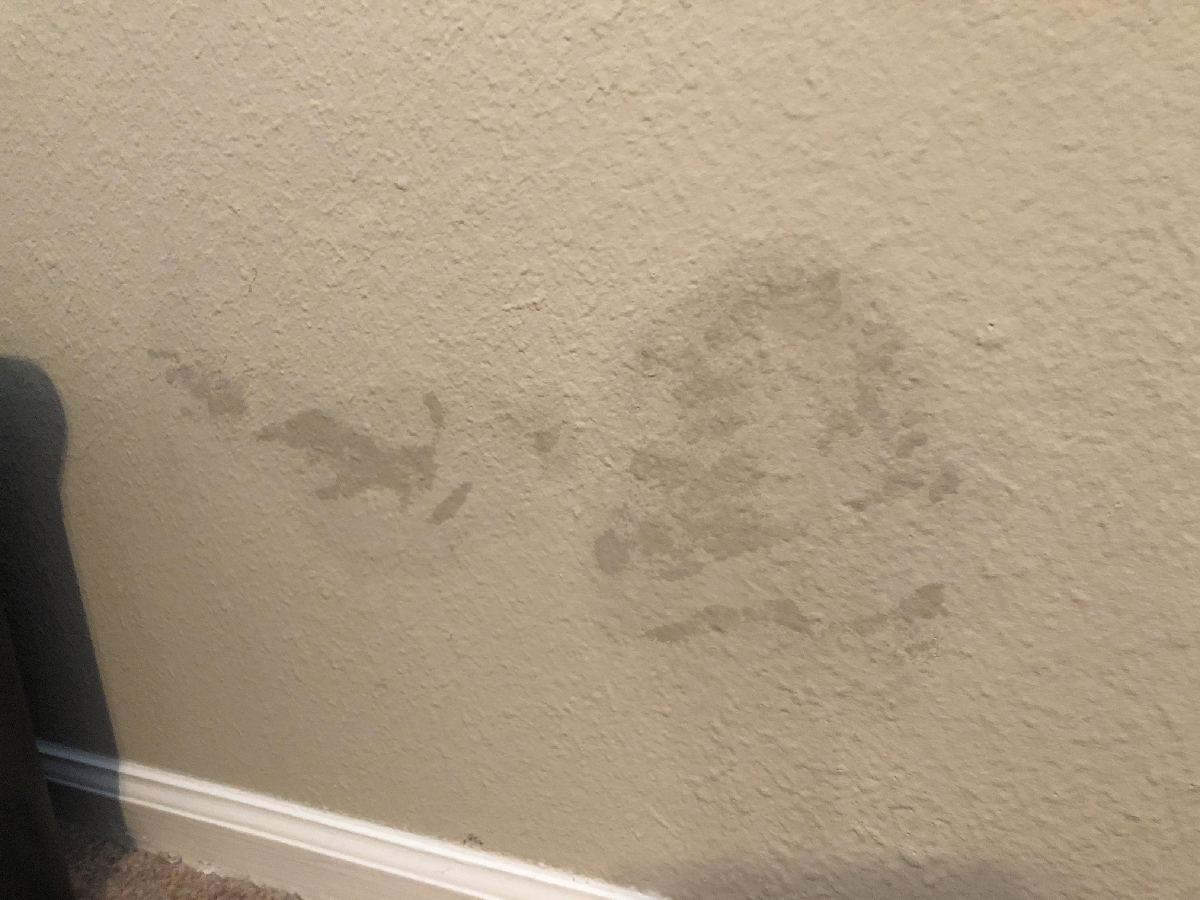
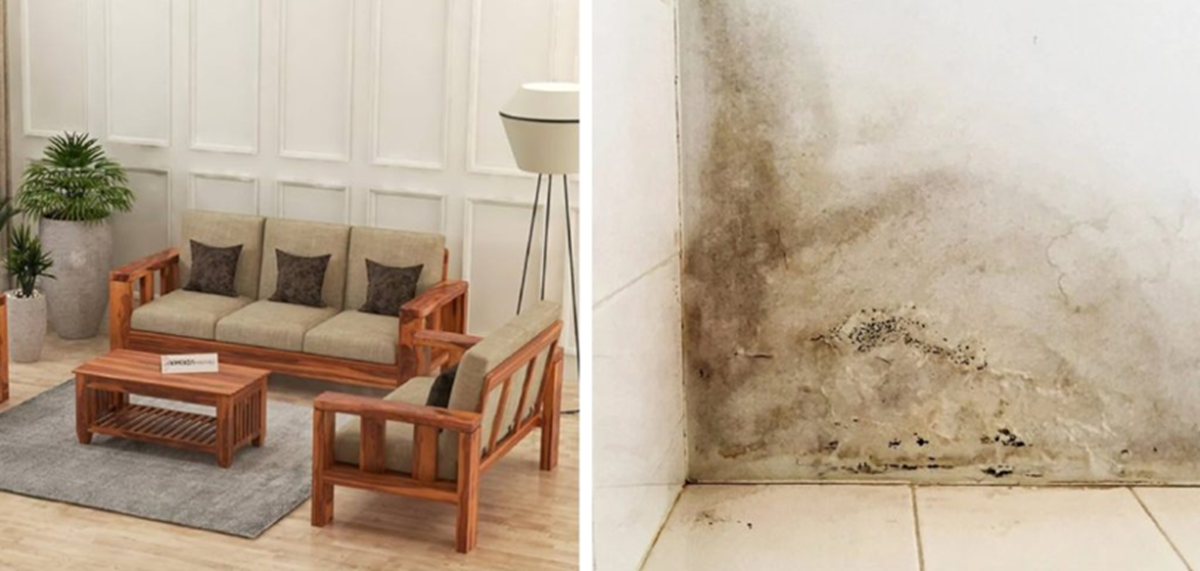
Wall Scuff Marks: Placing furniture too close to a wall, repeatedly moving it around, or accidentally bumping it can leave marks on the painted surface of a wall. Let's learn about this.
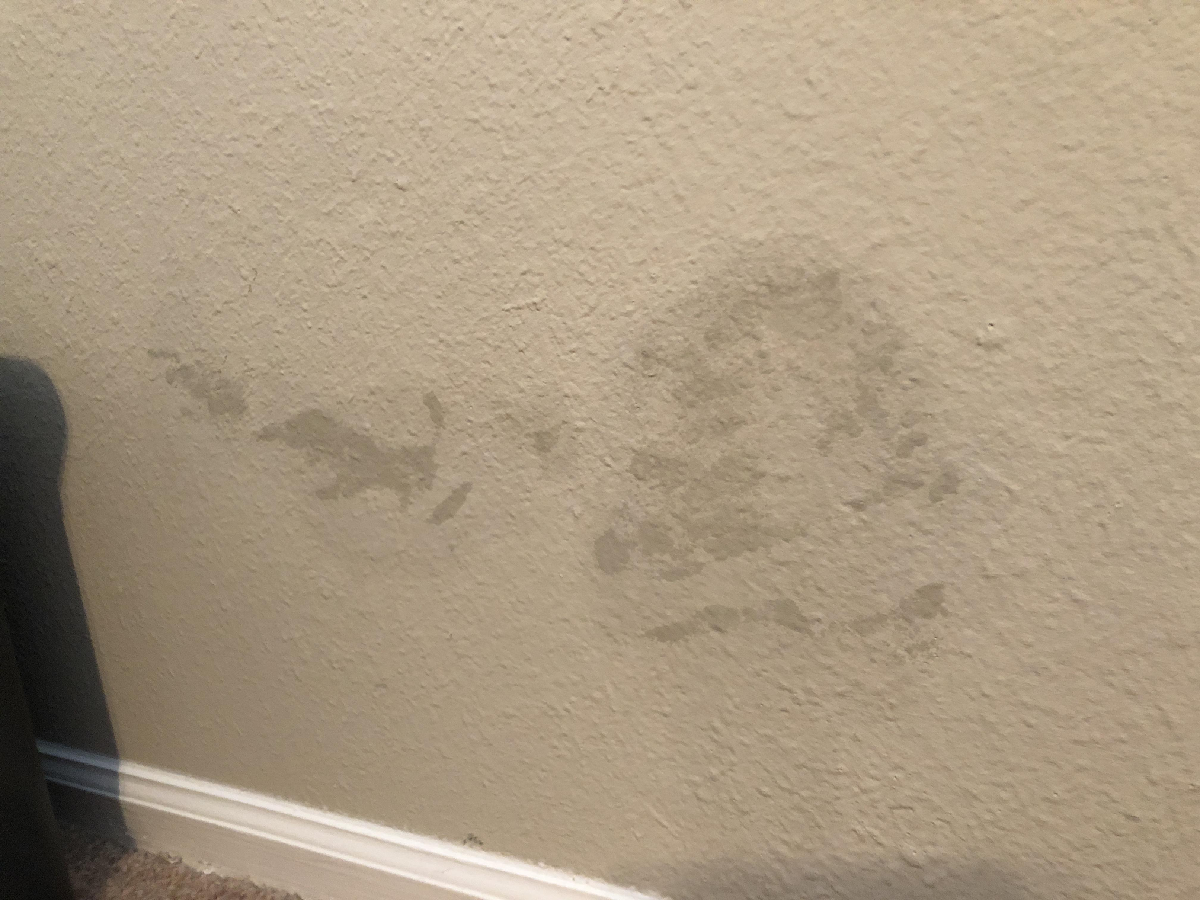
How to remove furniture marks on the wall
How to Prevent Furniture Scuff Marks on Walls: No matter how clean your walls are, light marks from furniture can ruin their overall look. Especially if a wall has been freshly painted and, within a few days, black marks or scuff marks appear from the rubbing of chairs, tables, or other furniture. Sometimes, even a slight movement of furniture can cause scuffing on the wall.
This problem can be seen in almost every home. Placing furniture too close to the wall, repeatedly moving it around, or accidentally bumping it can leave marks on the painted surface of the wall. Fortunately, these marks can be significantly reduced by taking a few simple precautions.
Why do furniture marks appear on walls?
The most common cause is constant friction between furniture and the wall. When a chair, table, sofa, or other heavy object is placed against the wall and moved, the edges of the furniture rub directly against the paint surface. Sometimes, placing furniture too close to the wall can also cause problems. In everyday use, when a chair slides back or a table moves slightly, its edges rub against the wall. This can gradually lead to dark marks, scratches, or light stains appearing on the paint.
Take precautions before the scars appear
It's possible to clean or repaint a wall after it's stained, but repeatedly doing so can be a waste of time and money. Therefore, it's best to minimize friction between furniture and walls in advance. Pay attention to the parts of furniture that touch the wall. If the edge of a chair, table, or other object frequently hits the wall, small pads can be placed there for protection.
Furniture felt pads can come in handy
Furniture felt pads are small, soft pads typically applied to furniture legs or other surfaces. They come in various sizes and thicknesses, allowing for tailored furniture. They're not just used to protect floors from scratches. When placed correctly, they can also help reduce direct contact and friction between furniture and walls.
How do these pads protect the wall?
Felt pads act as a soft layer between the furniture and the wall. When furniture moves slightly or moves backwards, its hard surface doesn't rub directly against the paint. This can have three benefits. First, the reduced friction reduces the likelihood of scuff marks on the wall. Second, the pads help absorb light impacts from sudden impacts. Third, the rubbing noise produced by moving furniture can also be reduced.
Keep these things in mind when buying felt pads
One type of pad isn't right for every piece of furniture. When purchasing a pad, consider the weight of the furniture first. Heavier furniture may require a stronger, higher-quality pad. Next, consider the size of the pad. It should be large enough to adequately cover the area of contact with the furniture. Using a pad that's too small can limit its effectiveness. The thickness of the pad is also important. In areas where there's frequent contact between furniture and walls, a substantial cushioning layer may be more useful.
Make sure to clean the surface before applying
Clean the area thoroughly before applying the felt pad. Dust, dirt, or grease may prevent the adhesive from sticking properly. After cleaning the surface, allow it to dry completely. Then, apply the pad to the correct area and allow it to adhere thoroughly. Moving the furniture immediately may cause the pad to dislodge.
Replace old pads on time
Felt pads don't last forever. Continued use can wear down their surface, accumulate dirt, or weaken the adhesive. It's best to replace these pads frequently. If the pad becomes too thin or begins to shift, replace it. Also check behind furniture and against walls from time to time.
Focus on prevention rather than just cleaning up scars
Various home remedies are used to clean wall marks, but the same method isn't necessarily effective on every paint surface. Excessive scrubbing or using the wrong cleaning product can damage the paint further. Therefore, if you're repeatedly getting marks on your wall, consider cleaning them and investigating the underlying cause. Simple steps like keeping a small distance between furniture and the wall, placing felt pads on impact points, and carefully moving furniture can help keep your wall paint looking its best for longer.