
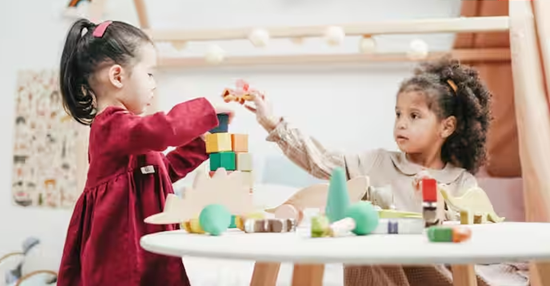
In fact, when children talk to toys, they are using their imagination. They give toys emotions, voices, and identities, just like humans.
Parents often witness their young children interacting with dolls, toy cars, or software. Sometimes this sight is adorable, while others often raise questions about why the child is doing this. Is it just imagination, or is there a deeper meaning behind it? Experts say that toddlers interacting with toys is completely normal and is an important part of their mental, emotional, and linguistic development.
1 / 5
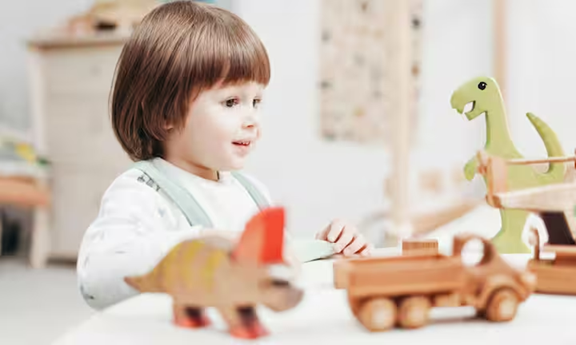
When children interact with toys, they are using their imagination. They give toys human-like emotions, voices, and identities. This imaginative play allows them to safely understand and replicate real-life experiences, such as caring, sharing, and problem-solving
2 / 5
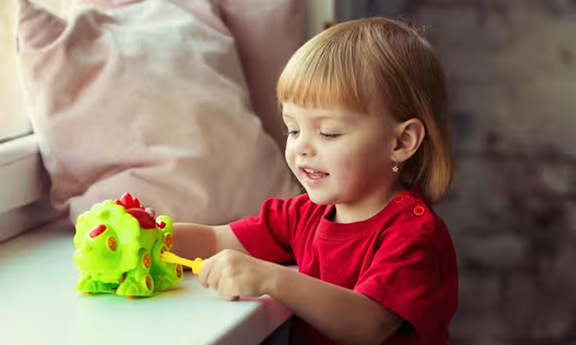
While interacting with toys, children practice new words and phrases. There's no one to interrupt or correct them, so they speak without fear. This helps with word repetition, correct pronunciation, and reusing previously heard conversations.
3 / 5
Children learn social behavior through their interactions with toys. They scare toys, ask them questions, or comfort them. This helps them understand and express emotions such as kindness, anger, love, and empathy.
4 / 5
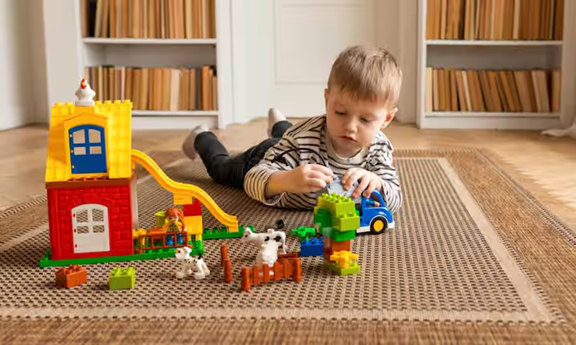
Toddlers often recreate the day's events through play. If a child acts out by eating, sleeping, or going outside with toys, they are trying to process a day's experience. This process helps children understand new situations and connect their thoughts.
5 / 5
Interacting with toys is a normal and positive developmental stage that shows a child's curiosity, learning, and creative thinking. This behavior changes with age. Instead of worrying, parents should consider these behaviors a sign of their child's health and active mind.